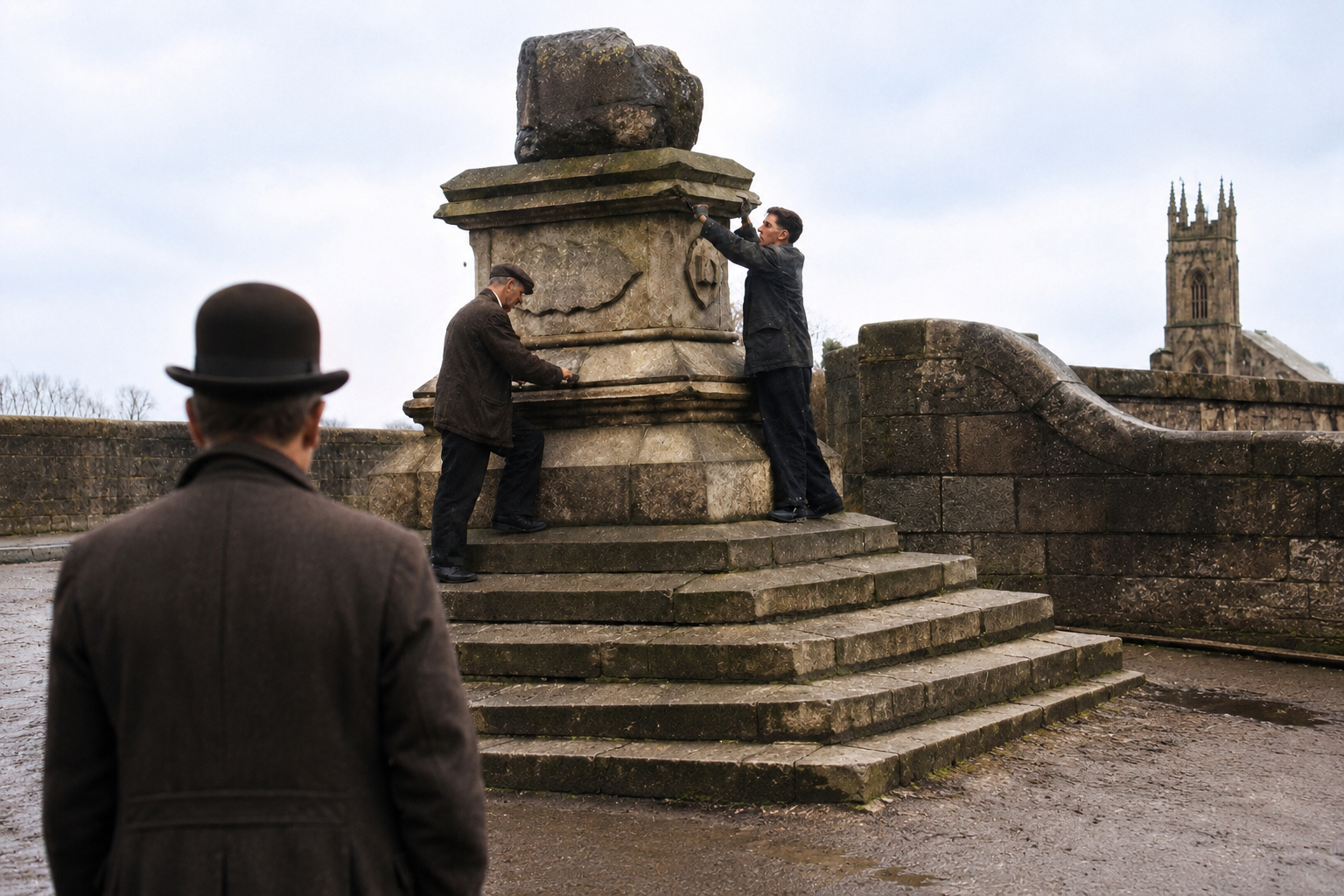
The Treaty Stone stands prominently beside the River Shannon on.
LA-PH-000620
The Treaty Stone stands prominently beside the River Shannon on Limerick’s North Strand during the early 1920s, overlooking the historic approach to Thomond Bridge. The riverside road retained that name until 1934, when it was renamed Clancy’s Strand in memory of George Clancy, Mayor of Limerick, who was murdered in 1921. At the same time, the adjoining O’Callaghan Strand commemorated former mayor Michael O’Callaghan, also assassinated during the War of Independence. The scene therefore captures both a familiar landmark and a district whose later street names would preserve the memory of two civic leaders killed during Ireland’s turbulent revolutionary period.
View Record
The Treaty Stone stands prominently beside the River Shannon on.
LA-PH-000619
The Treaty Stone stands prominently beside the River Shannon on Limerick’s North Strand during the early 1920s, overlooking the historic approach to Thomond Bridge. The riverside road retained that name until 1934, when it was renamed Clancy’s Strand in memory of George Clancy, Mayor of Limerick, who was murdered in 1921. At the same time, the adjoining O’Callaghan Strand commemorated former mayor Michael O’Callaghan, also assassinated during the War of Independence. The scene therefore captures both a familiar landmark and a district whose later street names would preserve the memory of two civic leaders killed during Ireland’s turbulent revolutionary period.
View Record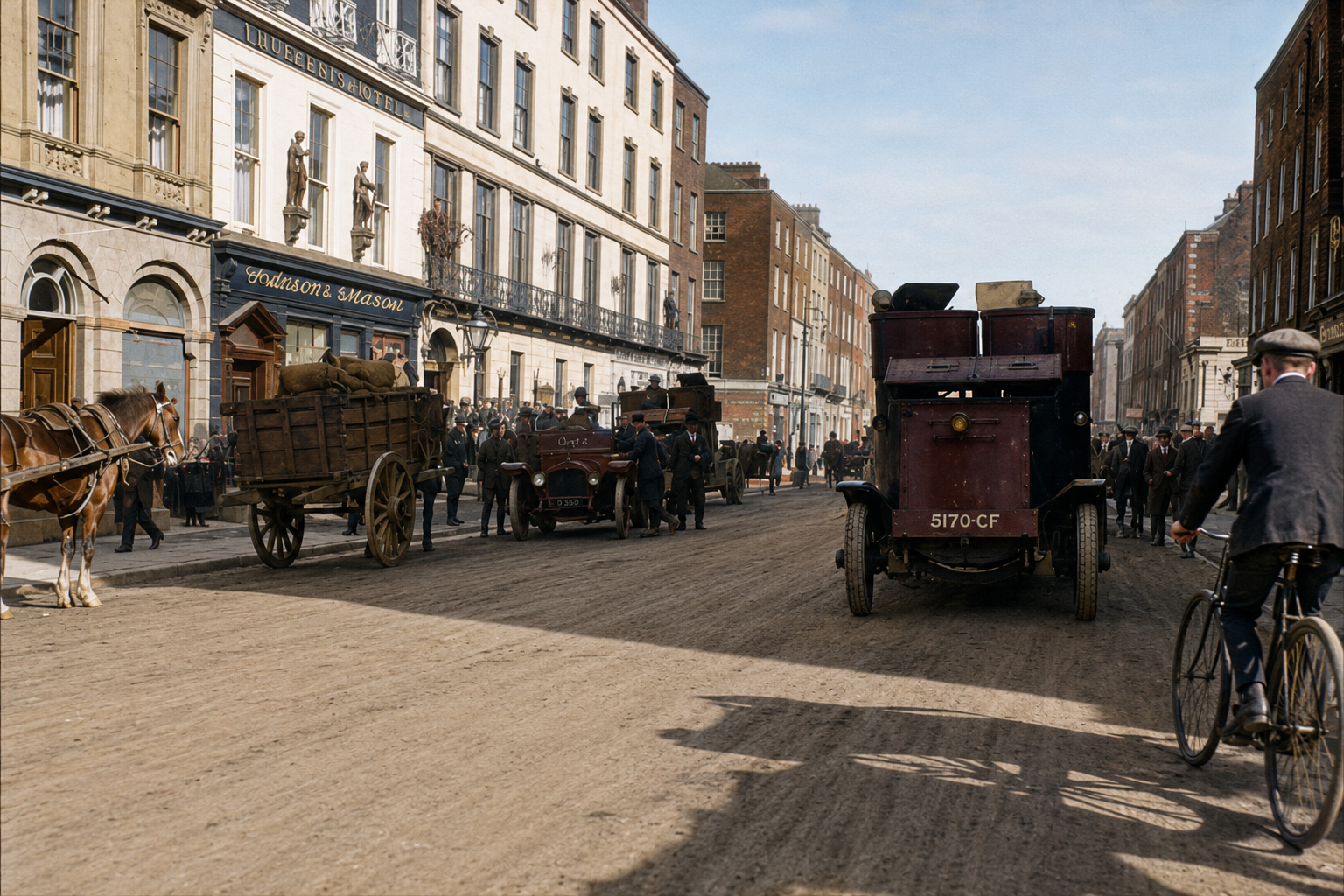
During the Irish Civil War, armoured cars operated by Republican.
LA-PH-000617
During the Irish Civil War, armoured cars operated by Republican forces patrol a Limerick street as civilians watch cautiously from the roadside. The arrival of troops has created a tense and uncertain atmosphere, with local people anxious to avoid any action that might provoke violence or heavy bloodshed. The vehicles move through the city as a visible display of military control, while horse-drawn transport and early motor traffic share the roadway. This striking scene records the growing presence of armed forces in Limerick and the apprehension felt by residents as conflict reached the streets and disrupted ordinary daily urban life.
View RecordThe Treaty Stone stands prominently beside the River Shannon on.
LA-PH-000618
The Treaty Stone stands prominently beside the River Shannon on Limerick’s North Strand during the early 1920s, overlooking the historic approach to Thomond Bridge. The riverside road retained that name until 1934, when it was renamed Clancy’s Strand in memory of George Clancy, Mayor of Limerick, who was murdered in 1921. At the same time, the adjoining O’Callaghan Strand commemorated former mayor Michael O’Callaghan, also assassinated during the War of Independence. The scene therefore captures both a familiar landmark and a district whose later street names would preserve the memory of two civic leaders killed during Ireland’s turbulent revolutionary period.
View Record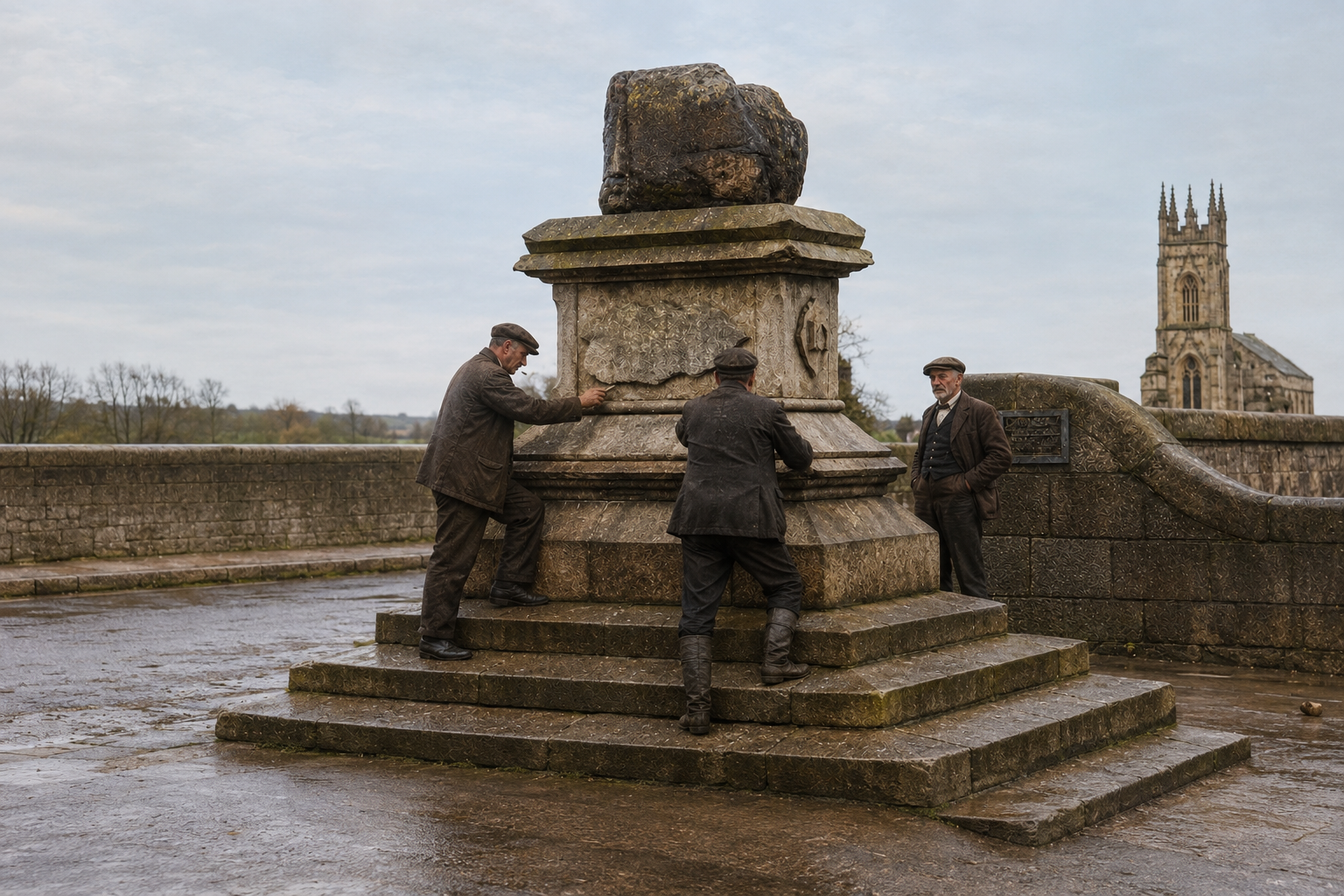
The Treaty Stone stands prominently beside the River Shannon on.
LA-PH-000622
The Treaty Stone stands prominently beside the River Shannon on Limerick’s North Strand during the early 1920s, overlooking the historic approach to Thomond Bridge. The riverside road retained that name until 1934, when it was renamed Clancy’s Strand in memory of George Clancy, Mayor of Limerick, who was murdered in 1921. At the same time, the adjoining O’Callaghan Strand commemorated former mayor Michael O’Callaghan, also assassinated during the War of Independence. The scene therefore captures both a familiar landmark and a district whose later street names would preserve the memory of two civic leaders killed during Ireland’s turbulent revolutionary period.
View Record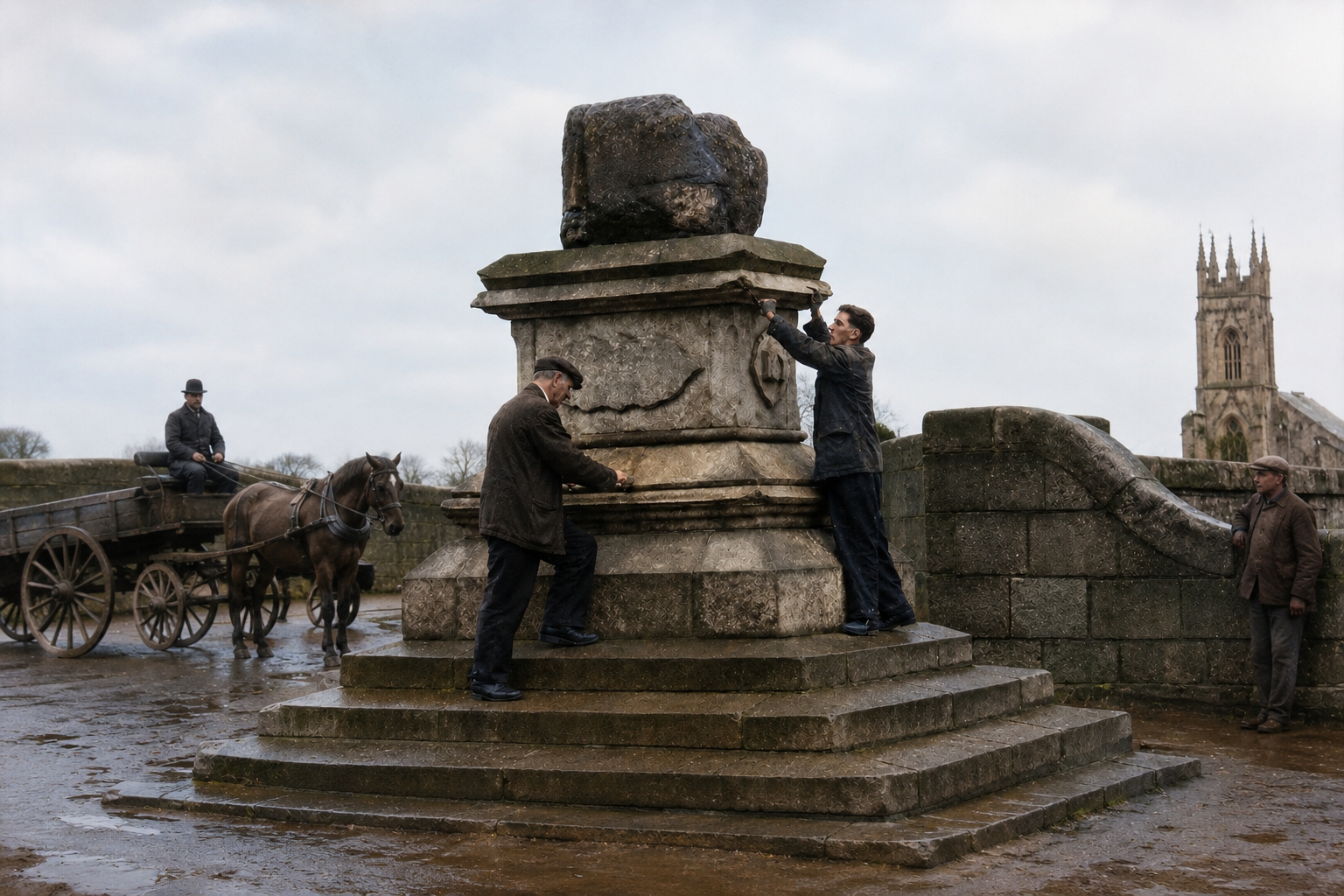
The Treaty Stone stands prominently beside the River Shannon on.
LA-PH-000621
The Treaty Stone stands prominently beside the River Shannon on Limerick’s North Strand during the early 1920s, overlooking the historic approach to Thomond Bridge. The riverside road retained that name until 1934, when it was renamed Clancy’s Strand in memory of George Clancy, Mayor of Limerick, who was murdered in 1921. At the same time, the adjoining O’Callaghan Strand commemorated former mayor Michael O’Callaghan, also assassinated during the War of Independence. The scene therefore captures both a familiar landmark and a district whose later street names would preserve the memory of two civic leaders killed during Ireland’s turbulent revolutionary period.
View Record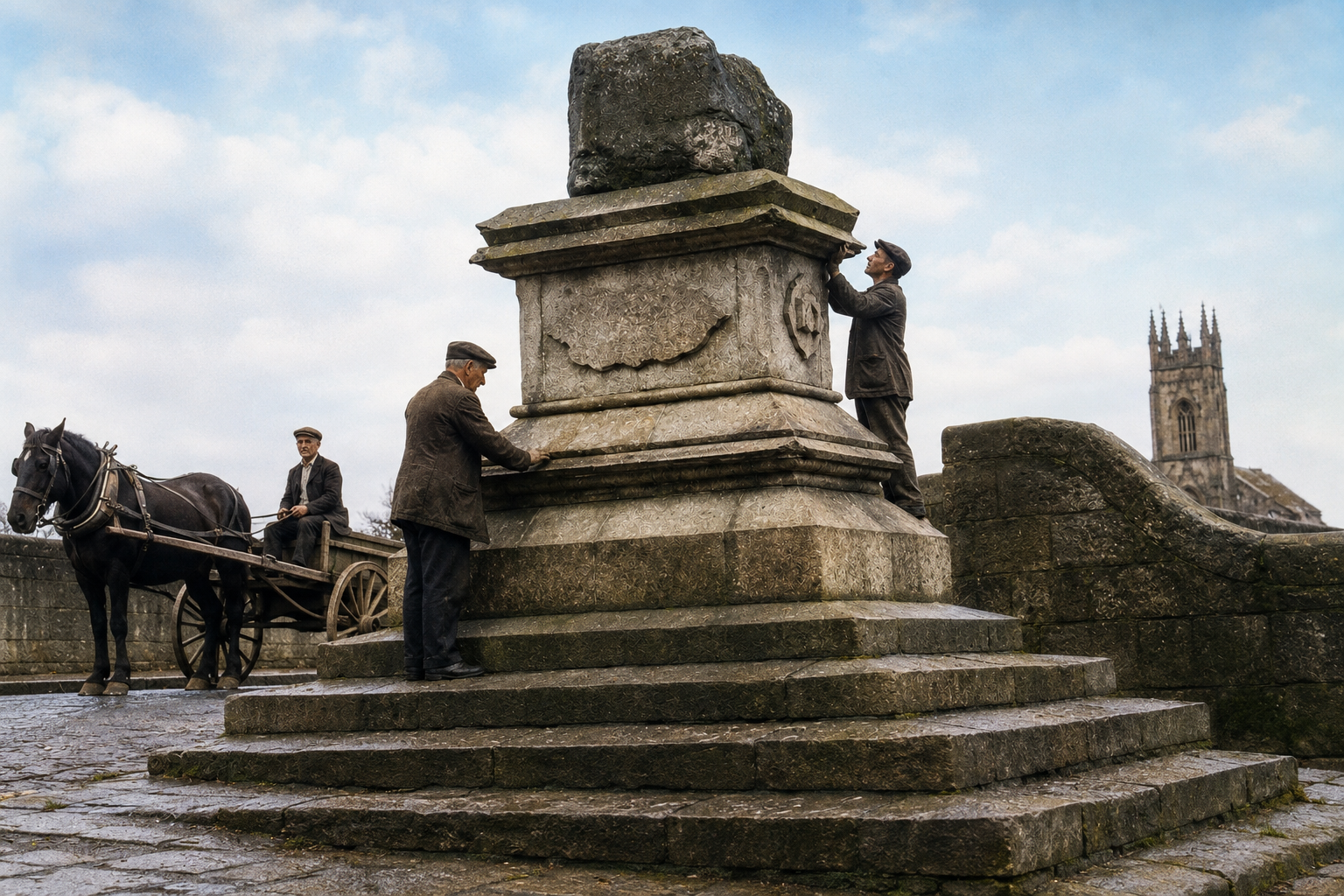
The Treaty Stone stands prominently beside the River Shannon on.
LA-PH-000625
The Treaty Stone stands prominently beside the River Shannon on Limerick’s North Strand during the early 1920s, overlooking the historic approach to Thomond Bridge. The riverside road retained that name until 1934, when it was renamed Clancy’s Strand in memory of George Clancy, Mayor of Limerick, who was murdered in 1921. At the same time, the adjoining O’Callaghan Strand commemorated former mayor Michael O’Callaghan, also assassinated during the War of Independence. The scene therefore captures both a familiar landmark and a district whose later street names would preserve the memory of two civic leaders killed during Ireland’s turbulent revolutionary period.
View Record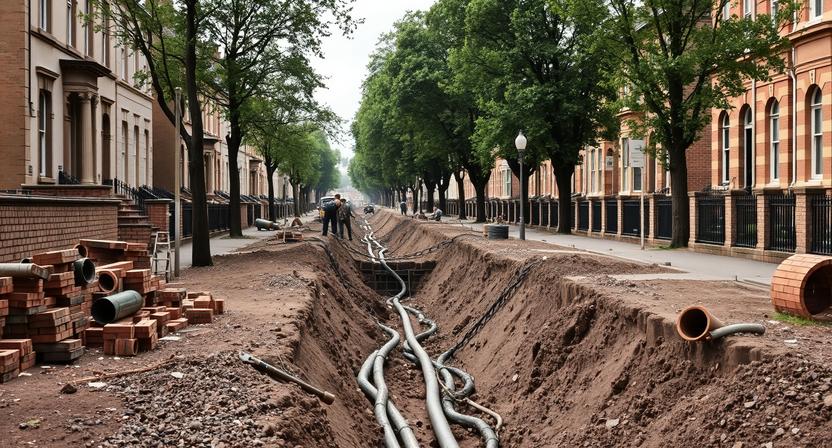
On 9 February 1900, legislation promoted by the Clontarf Urban.
Clontarf Bill
On 9 February 1900, legislation promoted by the Clontarf Urban District Council was formally considered in Parliament. The Clontarf Urban District Council Bill sought to empower the council to improve local infrastructure and public health measures in the rapidly growing suburb north of Dublin. Provisions included the authority to upgrade water supply, extend drainage and sewerage systems, improve roadways, and regulate new building developments.
View Record
On 9 February 1900, the proposed Bray and Enniskerry Railway.
Railway Progress
On 9 February 1900, the proposed Bray and Enniskerry Railway advanced through its parliamentary proceedings, bringing the prospect of a new transport link between the seaside town of Bray and the picturesque village of Enniskerry in County Wicklow a step closer to reality. The Bill sought approval for the construction of the line, which would traverse challenging countryside and provide both locals and tourists with improved access to the scenic Wicklow landscape.
View Record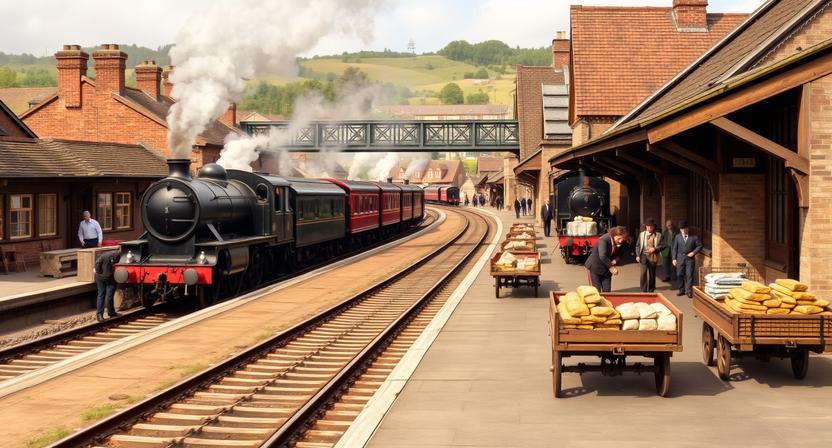
On 9 February 1900, the Belfast and County Down Railway.
Railway Bill
On 9 February 1900, the Belfast and County Down Railway Bill was formally considered in Parliament, marking a key stage in the legislative process for expanding and regulating one of Ulster’s most vital rail networks. The Bill aimed to authorise new works, improve existing lines, and clarify the powers and duties of the railway company, reflecting the growing demand for reliable transport between Belfast, Bangor, Downpatrick, and surrounding towns.
View Record