

Edward Lysaght (1783-1810) was a witty and talented Irish barrister, known for his humor and skill in songwriting. Born in County Clare, he attended Trinity College Dublin and was called to the English and Irish Bar. Despite facing financial difficulties, Lysaght gained popularity and reputation as a speaker on court circuits. He actively participated in the Volunteer Movement and opposed the Union, remaining patriotic and unbribable. Lysaght’s poetry reflected his lively personality, wit, and insight into Irish character. He died in 1810, leaving behind a legacy of cherished verses. The legal community in Ireland raised funds for his family after his passing.
Pleasant Ned
Edward Lysaght, fondly known as “Pleasant Ned Lysaght,” was a talented barrister, witty songwriter, and son of John Lysaght, Esq, of Brickhill, County Clare. He was born on December 21, 1783, and his early years were immersed in the romantic surroundings of his father’s home. Raised amidst the tales of ancient heroes and princes of Ireland, his love for his country’s history and culture grew.
In his youth, Lysaght attended the Academy in historic Cashel, led by the Reverend Patrick Hare, a talented man but lacking in compassion. At school, Lysaght’s wit, humor, and personal courage quickly made him a favorite among his peers. In 1779, he entered Trinity College, Dublin, after leaving Cashel, causing much sadness to both teachers and students.
Tragedy struck when his father passed away while he was at Trinity. Filled with grief, Lysaght returned home to be with his mother. He later became a student at the Middle Temple in London after successfully passing examinations. Excelling in his studies, he earned some of the best prizes and received a degree of M.A at Oxford. In 1795, he was called to the English and Irish Bar.
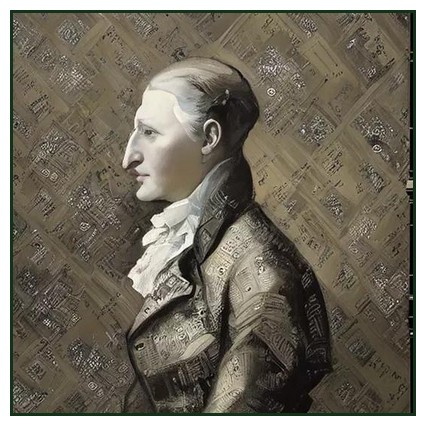
Lysaght married, but his legal practice did not thrive, and financial difficulties arose due to the bankruptcy of his father-in-law. Facing mounting debts, he left England and returned to Ireland, determined to establish himself there. He endeared himself to the people and gained a favorable reputation as a fluent speaker during court circuits.
In his leisure hours, Lysaght delved into poetry and writing witty papers, although many of his works are now lost. He actively participated in the Volunteer Movement, supporting it through his songs and writing. When the movement for the Union began, he vehemently opposed it and remained staunchly patriotic, impervious to any bribes.
In 1810, Lysaght, feeling disheartened about Ireland’s future, passed away, deeply mourned by those who admired his wit and humor that often brought laughter to both courts and social gatherings.
Lysaght’s poetry mirrored his lively personality, imbued with wit, humor, sentiment, and directness. His verses avoided the stiffness of his time, displaying a healthy style that showcased his remarkable insight into Irish character. The legal community in Ireland honoured his memory by donating £2520 for the benefit of his widow and daughters.
A volume of his poems was published in 1811, though it does not include some of his finest works, many of which are likely lost to time.
“The Man Who Led the Van of Irish Volunteers”
The generous sons of Erin, in virtue bold,
With hearts and hands preparing our country to uphold;
Though cruel knaves and bigot slaves disturbed our isle some years,
Now hail the man who led the van of Irish Volunteers.
Just thirty years have ended since first his glorious aid,
Our sacred rights defending, struck shackles from our trade;
To serve us still, with might and skill, the veteran now appears,
That gallant man who led the van of Irish Volunteers.
He sows no vile dissensions; goodwill to all he bears,
He knows no vain pretensions, no paltry fears or cares;
To Erin's and to Britain's sons, his worth his name endears,
They love the man who led the van of Irish Volunteers.
A British constitution to Erin ever true,
In spite of state pollution, he gained in "Eighty-two";
He watched it in its cradle and bedewed its hearse with tears,
This gallant man who led the van of Irish Volunteers.
While other nations tremble, by proud oppressors galled,
On hustings we'll assemble, by Erin's welfare called;
Our Grattan, there we'll meet him, and greet him with three cheers,
The gallant man who led the van of Irish Volunteers.
Limerick Echo – Tuesday 15 August 1905

