
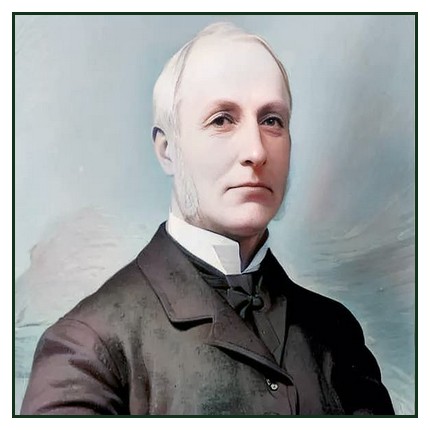
In the heart of Ireland, where the River Shannon weaves its tales, the city of Limerick stands as a living testament to a rich tapestry of history, wealth, and rebellion. Today, we delve into the recent unveiling of the will of Mr Edward William O’Brien, a figure deeply entwined with the very essence of Limerick’s narrative.
The late Mr O’Brien, hailing from the distinguished O’Brien lineage, was not just a resident of Limerick; he was a steward of its legacy. As the High Sheriff of the region, a Justice of the Peace, and the governor of the Limerick District Asylum, his life mirrored the resilience and significance that Limerick has held for centuries.
Edward William O’Brien, son of the eminent Mr William Smith O’Brien, Member of Parliament, and brother to the Dean of Limerick, breathed his last on January 21 at the age of 71. His departure marked the passing of not just an individual but a custodian of the city’s past and a contributor to its future.
The O’Brien family, deeply rooted in Limerick’s soil, has left an indelible mark on the city’s history. Mr William O’Brien, the late Edward’s father, was a political ally of the legendary Daniel O’Connell during a tumultuous period in Irish politics. However, the family’s allegiance shifted, aligning with the Young Ireland party, a group that led a rebellion in 1848. Mr William O’Brien faced the grave charge of high treason, narrowly escaping the death penalty. Transported and later pardoned in 1858, he continued to be a prominent figure until his demise in 1864.
As we unravel the layers of the recently disclosed will, a staggering estate valued at £9153 comes to light, with a net personalty of £3240. Beyond the numbers lies a tale of familial responsibility and a commitment to the welfare of Limerick, evident through Mr Edward William O’Brien’s roles as a public servant and governor of the Limerick District Asylum.
The District Asylum, an institution woven into the fabric of Limerick’s societal care, reflects the city’s commitment to the well-being of its residents. Mr O’Brien’s tenure as its governor underscores the symbiotic relationship between the city and its caretakers, emphasizing the responsibility each citizen holds toward the collective welfare.
Limerick, with its historic architecture, cobbled streets, and vibrant culture, is not merely a city; it is a living, breathing entity with a story to tell. The significance of Limerick goes beyond its physical boundaries; it extends into the hearts and minds of those who call it home.
The will’s revelation becomes a metaphorical key, unlocking the doors to the O’Brien family’s contributions to Limerick’s growth. The substantial estate left behind serves as a beacon, illuminating the interconnectedness of wealth and community, reminding us that prosperity, when shared judiciously, can uplift an entire city.
Beyond the material legacy, the O’Brien family’s tale echoes the spirit of resilience that has defined Limerick through the ages. From political upheavals to economic shifts, the city and its inhabitants have weathered storms, emerging stronger and more united. The will of Mr Edward William O’Brien stands as a testament to this endurance, an affirmation that Limerick’s story is one of perseverance and fortitude.
As we reflect on the life of Mr O’Brien and the unveiling of his will, Limerick beckons us to delve into its history, to appreciate the significance of each cobblestone, each building, and each individual who has played a role in shaping its destiny. The city whispers tales of rebellion, resonates with the laughter of its people, and stands proudly as a symbol of Ireland’s enduring spirit.
In conclusion, the headlines may scream of wills and wealth, but beneath the surface lies a narrative that transcends monetary values. Limerick, with its storied past and vibrant present, is a character in this tale—a city that breathes life into history, where wills are not just legal documents but threads in the intricate tapestry of a community’s journey through time.
London Evening Standard – Tuesday 23 March 1909

