

In a surprising turn of events, the Limerick Guardians have ventured into uncharted territory by adopting a resolution that approves the principle of imposing special taxation upon bachelors. The decision, as unconventional as it is intriguing, raises eyebrows and sparks a myriad of questions about the rationale behind such a proposal.
Limerick, a city steeped in tradition and known for its poetic charm, has taken a step that diverges from the norm. The Guardians, entrusted with the responsibility of overseeing local governance, have chosen to wade into the realm of social dynamics, targeting a demographic often spared from the financial burdens associated with marriage.
The resolution approving the principle of taxing bachelors opens the door to a discourse on societal expectations, fiscal responsibility, and the role of local governance in shaping community values. As the news reverberates through the cobblestone streets of Limerick, citizens are left contemplating the implications of such a bold move.
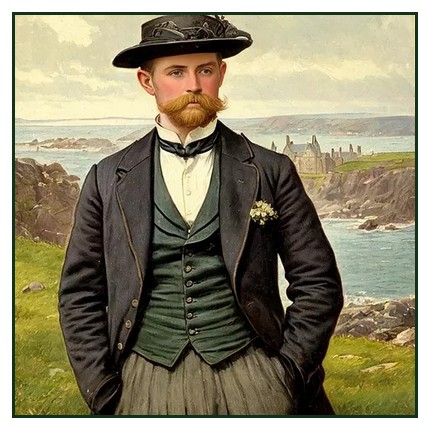
The adoption of this resolution prompts a natural inquiry into the rationale behind the decision. Is it a form of social commentary, challenging societal norms and expectations surrounding marriage? Or does it stem from a pragmatic fiscal strategy aimed at diversifying revenue streams for local development?
The concept of taxing bachelors, while uncommon, is not entirely unprecedented. It introduces a layer of complexity to the discourse around taxation policies, pushing the boundaries of conventional fiscal discussions. Limerick, in embracing this unique approach, forces us to reconsider the traditional link between taxation and marital status.
While the Guardians have approved the principle, the road to actual implementation is fraught with challenges. Determining the criteria for defining a bachelor, establishing tax brackets, and addressing potential legal and ethical considerations are hurdles that must be carefully navigated.
Equally intriguing will be the public’s reaction to this proposal. Will the citizens of Limerick view it as a progressive move challenging societal norms, or will they perceive it as an overreach into personal choices and privacy? The resolution sparks a conversation that extends beyond the confines of city governance, touching on fundamental questions about individual liberties and the role of the state in shaping social behavior.

As Limerick pioneers this unconventional approach, historical echoes of similar endeavours resound. The idea of taxing bachelors has surfaced periodically throughout history, often accompanied by debates about demographics, family structures, and societal values. Limerick’s contemporary iteration of this concept places it at the intersection of tradition and progress, challenging citizens to reflect on the evolving nature of societal norms.
In the coming days, Limerick will undoubtedly be a focal point of discussions around local governance, taxation policies, and societal expectations. The resolution approving the principle of taxing bachelors may well become a catalyst for broader conversations about the role of government in shaping cultural landscapes.

As Limerick’s decision reverberates, it invites us to consider the potential ripple effects on cities and communities worldwide. Will this unconventional approach inspire others to explore innovative taxation policies, or will it remain a distinctive quirk in the narrative of a city that dared to tread outside the conventional lines of governance? Only time will unveil the impact of this resolution on Limerick’s social fabric and its place in the broader tapestry of societal norms.
Globe – Saturday 24 April 1909

