

The Exodus: Irish Emigration Surges in the Wake of the Great Famine
In the annals of Irish history, the period preceding and following the Great Famine of 1845-1849 stands as a defining chapter marked by a profound and enduring impact on the nation. Emigration, a facet deeply ingrained in Irish society, had already taken root before the devastating famine struck. However, it was the Famine that acted as a catalyst, propelling a staggering surge in emigration as desperate souls sought refuge and a glimmer of hope on the decks of departing ships.
Before the blight of the potato famine cast its ominous shadow, emigration was a steady feature of Irish life. In the five years leading up to the Famine, approximately 50,000 individuals bid farewell to their homeland each year in pursuit of a better life elsewhere. These emigrants were often driven by a complex interplay of factors, including economic challenges, limited opportunities, and the lure of distant shores promising a fresh start.
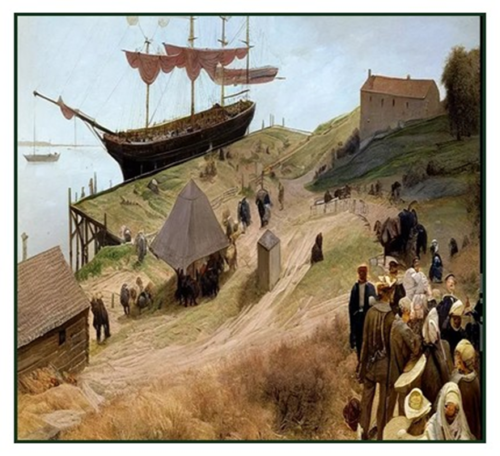
The arrival of the devastating Great Famine, caused by the potato blight that decimated the staple crop, reshaped the emigration landscape dramatically. The famine’s ruthless grip on Ireland led to a surge in desperation as the very essence of survival became a daily struggle for many. Starving and destitute, a significant number of Irish citizens turned to the only lifeline they could see—the prospect of emigration as a means of escaping the harsh realities of famine and seeking a chance at survival elsewhere.
In 1846, the first full year under the ominous shadow of the Famine, the number of emigrants skyrocketed to unprecedented levels. More than 100,000 individuals, driven by desperation and a yearning for a better life, boarded ships with uncertain destinies. This was just the beginning of a massive exodus that would come to characterize this dark chapter in Irish history.
The following year, 1847, witnessed an even more staggering wave of emigration as over 200,000 souls embarked on perilous journeys across the Atlantic. The conditions were dire, and the ships, often overcrowded and unsanitary, became vessels not only for human cargo but also for the dreams and aspirations of those who clung to the possibility of a brighter future.
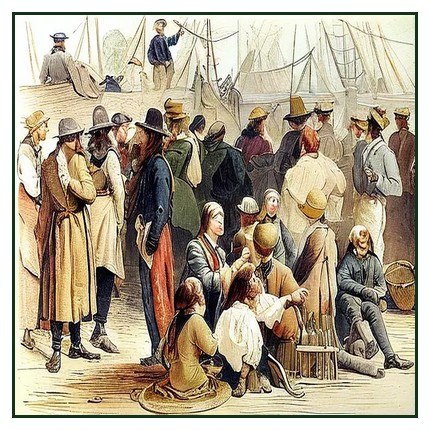
The period from 1848 to 1856, encompassing the aftermath of the Famine, was marked by a sustained and elevated level of emigration. The annual average during this time surpassed a quarter of a million individuals leaving the shores of Ireland. The scars of the Famine lingered, and the economic and social fabric of the nation had been irrevocably altered. Emigration, once a choice for some, now became a necessity for many as the quest for survival transcended borders.
The stories of those who embarked on these perilous journeys are etched in the collective memory of Ireland. Families torn apart, communities left with the echoes of empty homes, and a nation grappling with the profound loss of its people—these were the human costs of a catastrophic event that reverberated through generations.
The impact of this mass emigration on the Irish diaspora is immeasurable. Across oceans, Irish communities took root, carrying with them the resilience forged in the crucible of adversity. The legacy of the Famine and its aftermath continues to be felt not only in Ireland but in the cultural tapestry of nations that became the new homes of those who sought refuge from the ravages of hunger and despair.
As we reflect on this chapter in history, the surge in emigration in the wake of the Great Famine stands as a testament to the indomitable human spirit, the lengths people will go to for survival, and the enduring legacy of a nation that weathered one of its darkest storms. The ships that once carried the desperate hopes of the Irish people now symbolize a chapter of resilience, survival, and the unbreakable spirit of those who sought solace and a new beginning on distant shores.

A Legacy of Departure: The Enduring Thread of Irish Emigration, with a Glimpse through Charlotte Grace O’Brien’s Lens
As the grip of the potato blight loosened its hold on Ireland, a profound transformation had taken root in the fabric of Irish society. Emigration, once a response to immediate crises, had evolved into a permanent characteristic of the nation. Between the years 1856 and 1921, a staggering 3.6 million individuals bid farewell to their homeland, seeking opportunities and solace in distant lands. Notably, this figure excludes those who chose the neighboring shores of Britain as their destination.
A striking feature of this mass exodus was the predominant presence of women among the emigrants. For every eight Irishmen who embarked on the journey between 1871 and 1951, ten Irishwomen made the courageous decision to leave behind the familiar landscapes of home. The scale of female emigration becomes even more poignant when considering that a remarkable 89% of these women were single and younger than twenty-four.
The phenomenon of emigration, especially the departure of young, single women, did not escape the notice of commentators and observers of the time. Many lamented the pressing reality of families being torn apart, communities losing their youth, and a nation witnessing a demographic shift that would leave lasting imprints on its social fabric. Yet, for some, this dire situation became a call to action, and among those who answered was an unlikely activist—Charlotte Grace O’Brien.
Charlotte Grace O’Brien, distinguished as a poet and author, emerged as a compassionate advocate for the emigrating Irish women. Her life’s work became a testament to the resilience and fortitude of those who faced the daunting prospect of leaving their homeland for uncertain futures. Through her writings, she provided a lens through which we can view the stories of the thousands of Irishwomen who embarked on journeys fraught with both hope and hardship.
O’Brien’s commitment to aiding emigrating Irish women went beyond the written word. In an era where the challenges faced by female emigrants were often overshadowed or ignored, she took it upon herself to address the pressing needs of these women. Her advocacy sought to bring attention to the unique struggles they faced, from the emotional toll of leaving behind familiar faces to the uncertainties that awaited them in foreign lands.
The narratives captured in O’Brien’s writings provide a nuanced understanding of the motivations, dreams, and challenges that defined the experiences of Irish women who left their homeland. It wasn’t merely an escape from economic hardship; it was a quest for autonomy, opportunity, and a chance to shape their destinies beyond the confines of the Irish shores.
In the tapestry of Irish history, the era of mass emigration stands as a complex chapter marked by both sorrow and resilience. The departure of millions created a diaspora that would influence the cultural landscapes of distant nations. O’Brien’s advocacy becomes a poignant reminder of the human stories behind the statistics, a voice that echoes the sentiments of those who navigated the tumultuous seas in search of a better life.
As we look back on this period, Charlotte Grace O’Brien’s legacy shines as a beacon of compassion in the face of adversity. Her unlikely role as an activist and her dedication to the cause of emigrating Irishwomen add depth to the broader narrative of Irish history. The echoes of her efforts resonate through time, reminding us that even in the darkest moments of departure, there were those who sought to alleviate the burdens and illuminate the path for those forging futures on distant shores.
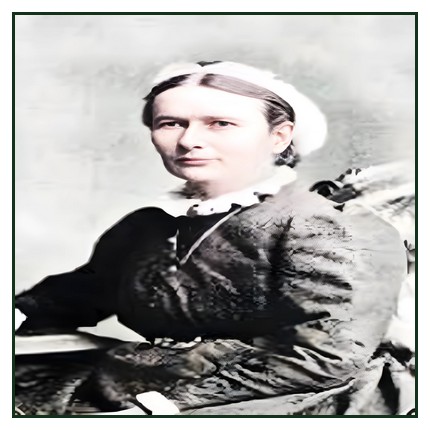
A Life Defined by Family, Exile, and Compassionate Advocacy
In the picturesque setting of Cahirmoyle, County Limerick, near the meandering River Shannon and the border of Clare, Charlotte Grace O’Brien came into the world on November 23, 1845. Her birthplace, with its serene surroundings, belied the tumultuous history that would shape her life and legacy.
Born into the O’Brien family, Charlotte was the daughter of William Smith O’Brien, a notable O’Connellite Member of Parliament who ardently supported the repeal of the Union. William Smith O’Brien’s involvement in the abortive rising of 1848, advocating for Irish independence, led to a sentence of death. However, his punishment was later commuted to exile, and he found himself transported to Tasmania. This significant event unfolded when Charlotte was just nine years old, setting the stage for a childhood marked by the complexities of political turmoil and familial separation.
Separated from her father during his exile, Charlotte navigated the challenges of adolescence, a period further compounded by the loss of her mother when she was sixteen. The untimely death of her mother left a void in Charlotte’s life, a void that would be deepened when, three years later, her father also passed away. William Smith O’Brien’s return to Ireland in 1856 allowed a brief reunion with his daughter before his eventual demise.
Following the death of her father, the nineteen-year-old Charlotte found solace and a new sense of family within the household of her brother, Edward, and his family. Here, the bonds of kinship were rekindled, and Mary, Edward’s wife, became not only a sister-in-law but also Charlotte’s dearest friend. The arrival of children within the family further solidified the sense of connection, with Charlotte playing a pivotal role in their lives.
Tragedy struck again in 1868 when Mary, Charlotte’s confidante and pillar of support, passed away. Faced with the responsibility of caring for three young children, aged four, three, and two, Charlotte, then just twenty-three years old, chose to remain with her brother’s family. This decision reflected not only familial duty but also a profound commitment to nurturing the next generation.
The challenges and losses woven into the fabric of Charlotte’s early life laid the groundwork for the compassionate advocate she would become. Her experiences, shaped by political upheaval, familial separation, and the responsibilities thrust upon her, cultivated a deep empathy for those facing adversity. It was this empathy that would later drive her to champion the cause of emigrating Irish women, becoming a voice for those whose stories often went unheard.
As we reflect on the life of Charlotte Grace O’Brien, we see a woman who weathered the storms of history with resilience and grace. From the tumultuous days of her father’s exile to the untimely losses that punctuated her youth, she emerged not only as a survivor but as a beacon of compassion. The echoes of her journey, marked by family, exile, and an unwavering commitment to others, continue to resonate through the pages of history, reminding us that even in the face of adversity, one individual’s compassion can leave an indelible mark on the world.

A Literary Odyssey Unfolds
While navigating the complexities of her personal life, Charlotte Grace O’Brien concurrently embarked on a journey of self-discovery as a writer. Her literary pursuits began to flourish, gradually allowing her to find her distinctive voice. In 1870, she marked her literary debut with “Dominick’s Trials: An Irish Story,” a work that hinted at the depth of her storytelling prowess.
However, it was in 1878 that O’Brien truly made a significant mark in literary circles with her novel “Light and Shade,” a compelling exploration of the Fenian movement. The novel not only showcased O’Brien’s narrative dexterity but also brought her into the limelight, earning her recognition beyond the realms of her earlier publications. “Light and Shade” captured the essence of the Fenians, a secret revolutionary society in Ireland, delving into the intricate interplay of loyalty, idealism, and sacrifice that characterized this period of Irish history.
As her literary portfolio expanded, O’Brien ventured into various genres, demonstrating her versatility and a keen insight into the sociopolitical landscape of her time. Beyond novels, she explored the world of poetry, creating verses that resonated with the spirit of the era. Additionally, O’Brien tried her hand at playwriting, contributing to the rich tapestry of Irish dramatic literature.
Her creativity knew no bounds, extending even to the realm of children’s stories. Charlotte Grace O’Brien, with an innate understanding of the human experience, crafted tales that not only entertained but also conveyed valuable lessons. Her ability to connect with diverse audiences became evident as she contributed to periodicals such as “The Nation,” “United Ireland,” “Limerick Field Club Journal,” “Dublin University Review,” and “The Irish Monthly.”
Each publication became a canvas for O’Brien to paint the hues of her thoughts, capturing the essence of the times and providing a unique perspective on the challenges faced by Irish society. Her writings became a mirror reflecting the nuanced intricacies of political movements, societal transformations, and the human spirit.
In the backdrop of a changing Ireland, Charlotte Grace O’Brien’s literary contributions stand as a testament to her intellectual depth and her commitment to shaping the narrative of her time. Through her words, she not only chronicled the events unfolding around her but also engaged with the sociocultural currents that swept through the Irish landscape.
As we explore the tapestry of her literary legacy, we find a woman who, amidst personal challenges and societal upheavals, wielded the pen as a powerful instrument of expression. The pages she filled with prose and poetry remain as timeless echoes of an era, providing a glimpse into the mind of a writer whose words continue to resonate across the corridors of Irish literature. In the unfolding chapters of her literary odyssey, Charlotte Grace O’Brien left an indelible mark, her narratives weaving seamlessly into the broader narrative of Ireland’s cultural and literary evolution.

A Life Transformed by Silence, Resilience, and Advocacy
In the midst of her literary pursuits and familial responsibilities, Charlotte Grace O’Brien confronted a personal challenge that would shape the trajectory of her life. The O’Brien family bore the weight of a hereditary hearing impairment, a silent force that particularly afflicted one brother, rendering him entirely deaf and mute. Charlotte herself was not immune to this family affliction, experiencing a degree of hearing loss since childhood.
By 1879, the gradual descent into silence became complete for Charlotte. A once vibrant world of sound transformed into a realm of muted existence. The profound impact of this loss reverberated not only in her personal life but also in her familial responsibilities. A brother, entirely reliant on her as a child-minder, had been an anchor in her daily life. However, in 1880, a pivotal moment arrived that would alter the course of Charlotte’s existence. Her brother, Edward, remarried, and with this union, her role as a caregiver ceased.
The confluence of events marked a turning point in Charlotte’s life. At the age of thirty-four, she found herself standing at a crossroads, confronted with the task of shaping her destiny in the silence that enveloped her world. The loss of familial responsibilities, coupled with her own profound deafness, presented a formidable challenge. Yet, it was precisely at this juncture that Charlotte Grace O’Brien demonstrated an extraordinary resilience that would define the subsequent chapters of her life.
Her nephew, Stephen Gwynn, documented this transformative period in his memoir of Charlotte, published in 1909. Gwynn noted that 1880 was a watershed moment for his aunt, a time when she had to navigate the uncharted waters of a life shaped by solitude and silence. In the face of adversity, Charlotte did not retreat; instead, she forged a path forward, carving out a purpose that transcended the limitations imposed by her deafness.
Charlotte’s response to this life-altering moment was nothing short of remarkable. Rather than succumbing to the isolating nature of her condition, she redirected her energies toward a noble cause. Her newfound purpose became a beacon of hope for Irishwomen facing challenges similar to those she had encountered throughout her own life.
In dedicating her life to helping other Irishwomen shape their destinies, Charlotte Grace O’Brien transformed her personal struggle into a catalyst for advocacy. Her commitment to the welfare of emigrating Irish women, especially those who were young and single, became a mission that resonated with empathy and understanding. In the silent spaces of her world, she found a voice that echoed with compassion for those whose voices often went unheard.
As we reflect on the life of Charlotte Grace O’Brien, we witness a testament to the resilience of the human spirit. In the face of personal loss and societal expectations, she not only shaped her own life but extended a helping hand to those in need. The quiet determination that defined her journey serves as an enduring inspiration, reminding us that even in the silence, one can make a resounding impact on the lives of others.
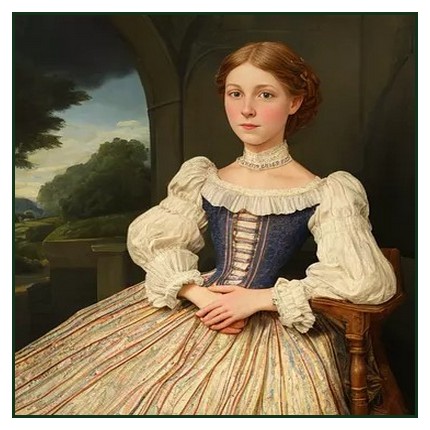
From Archaeology to Advocacy – A Journey of Civic Duty
In the intricate tapestry of Charlotte Grace O’Brien’s life, the threads of her passions and convictions are woven into a story that transcends personal pursuits, extending into the realms of public engagement and community responsibility. While her initial ardor lay in the field of archaeology, a transformative moment arrived in 1881, marked by the Land War, redirecting her focus and illuminating her inclination toward the public sphere.
Archaeology, with its exploration of the ancient and the historical, had been Charlotte’s first passion. The allure of unearthing the past, deciphering the mysteries of bygone civilizations, held a profound fascination for her. However, the winds of change, stirred by the Land War, swept through Ireland, capturing Charlotte’s attention and drawing her into the currents of activism and civic duty.
By 1881, the Land War, a period of agrarian agitation and tenant-landlord conflict, had unfolded across the Irish landscape. The plight of tenant farmers, grappling with issues of land tenure and fair rents, resonated with Charlotte, sparking a shift in her focus. The winds of change, carrying the echoes of social justice, propelled her from the quiet realms of archaeology to the forefront of a public discourse characterized by activism.
In a letter dated 17 February 1881, Charlotte Grace O’Brien laid bare the contours of her evolving convictions. In declaring her sentiments, she not only articulated her stance on the Land War but also unveiled her deep-seated feelings of community responsibility. The letter became a testament to her burgeoning activism and a commitment to addressing the social issues of her time.
The Land War, with its complex web of economic struggles and societal transformations, became a crucible in which Charlotte’s civic duty found expression. Her leanings toward the public sphere were no longer mere inclinations; they had evolved into a steadfast commitment to being a voice for those who faced injustices in the changing landscape of Ireland.
This pivotal moment in 1881 marked a convergence of Charlotte Grace O’Brien’s personal journey with the broader currents of Irish history. The Land War became a platform for her to channel her passion for justice, community, and societal welfare. It was a chapter in which she transitioned from the quiet realms of archaeological pursuits to the dynamic arena of social activism.
As we navigate the contours of her life, we see a woman whose passions and principles led her on a journey of continuous evolution. The Land War became a catalyst for her transformation, setting the stage for a legacy defined not only by her archaeological endeavours but by her resolute commitment to shaping a more just and equitable society. In the pages of history, Charlotte Grace O’Brien emerges not just as an archaeologist or activist but as a multifaceted individual whose contributions echo through the corridors of time.
A Call to Action in the Midst of the Land War
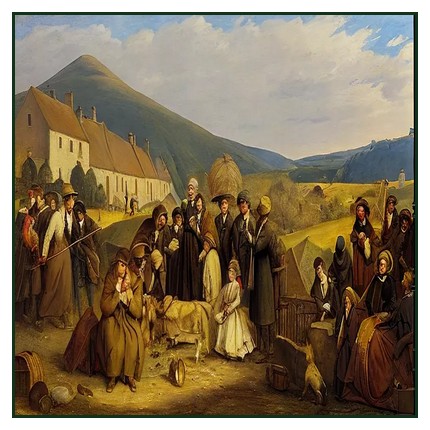
In the crucible of the Land War, a defining moment unfolded in the life of Charlotte Grace O’Brien, marking a decisive shift from contemplation to action. The Land War, characterized by agrarian unrest and tenant struggles, stirred deep emotions within her, prompting a clarity of purpose that compelled her to engage actively in the great political questions of her time.
In a poignant expression of her sentiments, Charlotte articulated her fervent beliefs in a letter dated 17 February 1881. “My feelings about all this matter are very strong,” she declared, laying bare the intensity of her convictions. For her, the Land War was not a distant or abstract concern—it was a matter that struck at the heart of justice, equity, and the well-being of the Irish community.
The Land War had ignited a fire within Charlotte, prompting her to reflect on the responsibility she felt in the face of such significant social upheaval. Her assertion, “if one could clearly see one’s way in a great political question, it is not right to hold back,” underscored a sense of moral duty. For her, clarity of vision was not a reason for hesitation but a call to action. The complexities of the political landscape did not deter her; they spurred her to contribute actively to shaping the path forward.
Her acknowledgment of the imminent imprisonment of men during this tumultuous period spoke to the risks and sacrifices faced by those who sought justice and change. In recognizing this, Charlotte saw an imperative for women to step forward. The impending confinement of men, rather than dampening the spirit of activism, intensified the need for the voices and efforts of women to be heard and felt.
“Now the men will probably be imprisoned, it may be all the more necessary the women should come forward,” she wrote, articulating a belief in the complementary roles of men and women in the struggle for justice. Charlotte recognized that the challenges faced by Irish society required a collective response, and she saw the potential of women as catalysts for positive change.
In these words, we glimpse the essence of Charlotte Grace O’Brien’s commitment to social justice—a commitment that went beyond rhetoric to active participation. The Land War was not just a distant political struggle for her; it was a call to mobilize, to stand alongside those who sought a fair and equitable society. Her conviction that women should step forward underscored an understanding of the interconnectedness of social movements and the need for diverse voices to be part of the conversation.
As we reflect on this chapter in Charlotte’s life, her words echo as a timeless reminder that in the face of great political questions, silence is not an option. The Land War was a crucible that tested her principles and convictions, and she responded not with hesitation but with a resolute commitment to contribute to the unfolding narrative of justice and change in Ireland.
A Shift from Land War to Emigration – A Journey Fueled by Indignation and Drive
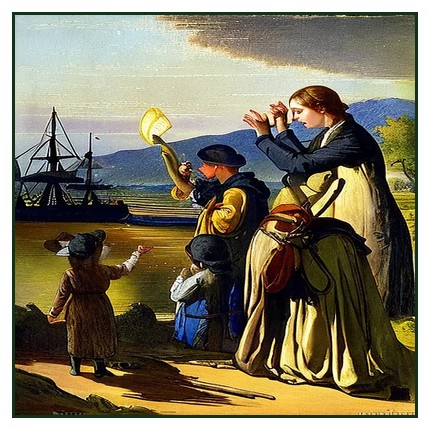
In a surprising twist of fate, it wasn’t the Land War that became the central focus of Charlotte Grace O’Brien’s activism; instead, it was the issue of emigration that drew her forward, fueled by the same indignation and drive that characterized her response to societal challenges. The Land War, though a potent force in Irish politics, yielded to the pressing issue of Irish emigrants seeking new horizons across the Atlantic.
The pivotal moment that set Charlotte on this new path can be traced back to two seemingly unexceptional actions: reading a book and paying a visit. The book that captured her attention was J.F. McGuire’s “The Irish in America.” In the pages of McGuire’s work, she found an account of the arduous journeys undertaken by Irish emigrants, and it left an indelible mark on her. Reflecting on this moment, she declared, “I was deeply impressed by his account of the ships, and it took hold of my mind, that was to be my work.”
It was this simple act of reading that ignited the spark within Charlotte, redirecting her focus from the Land War to the challenges faced by those who sought a new life on distant shores. The plight of emigrants, encapsulated in the narratives of McGuire’s book, became the canvas on which Charlotte would paint her legacy of advocacy.
The second catalyst for her newfound cause was a visit to Queenstown, a significant embarkation point for countless Irish emigrants. In March 1881, she embarked on a tour of the emigrant ship, the Germanic. This visit served as a tangible and immediate experience that brought to life the passages she had encountered in McGuire’s book. The harsh realities faced by those bidding farewell to Ireland became vividly apparent, and it was in this moment that Charlotte’s commitment to addressing the challenges of emigration solidified.
The juxtaposition of these two actions—reading a book and visiting Queenstown—underscored Charlotte’s approach to activism. It was not rooted in grand gestures or abstract ideologies but in a profound empathy that stemmed from an intimate understanding of the issues at hand. Her activism, whether directed at the Land War or the struggles of emigrants, was characterized by a hands-on, pragmatic engagement with the challenges faced by her fellow Irishmen and women.
In Charlotte’s redirection of her focus from one societal challenge to another, we see a woman unafraid to evolve and respond dynamically to the pressing issues of her time. Her journey, fueled by indignation and drive, serves as a testament to the power of individual action in addressing societal concerns. As she shifted her attention to the cause of emigration, Charlotte Grace O’Brien embarked on a new chapter of advocacy, leaving an enduring legacy that would shape the lives of those she sought to help.
Tumbling into the Fight for Emigrants’ Rights
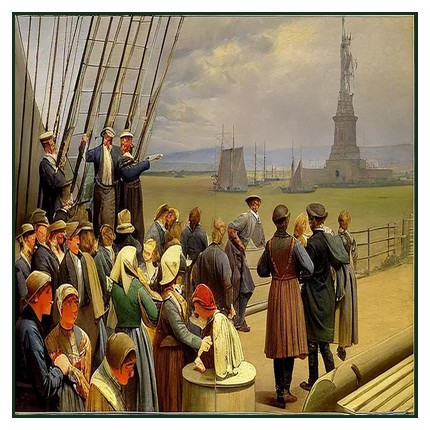
As Charlotte Grace O’Brien stood on the deck of the Germanic, a vessel that would become a symbol of her newfound mission, she found herself confronted with the stark realities of Irish emigration. The Germanic, belonging to the White Star Line, was not inherently worse than any other ship of its time. However, it was the scenes unfolding before her eyes that left an indelible mark on Charlotte, propelling her into a battle she hadn’t anticipated.
In her own words, Charlotte vividly recounted the experience: “I was not prepared for the way I saw all sexes and ages huddled together, etc., etc..” The sights before her were a stark portrayal of the challenges faced by Irish emigrants, as individuals of all ages and backgrounds found themselves cramped and huddled in conditions that spoke to the hardships of their journeys.
The visceral impact of this encounter prompted Charlotte to declare, “Well, I got into the fight; tumbled into it, I may say.” In those moments on the Germanic, the seeds of activism were sown, and Charlotte found herself irrevocably drawn into a battle for the rights and well-being of Irish emigrants. It was not a calculated decision but a visceral response to the human suffering laid bare before her.
The term “fight” encapsulated the nature of Charlotte’s newfound mission. It was a fight against the injustices faced by those compelled to leave their homeland, a fight for better conditions during the arduous transatlantic journeys, and a fight for the dignity and rights of those who embarked on these voyages of hope and uncertainty.
Her unplanned entry into this fight underscored the authenticity of her commitment. Charlotte Grace O’Brien, propelled by a genuine concern for the welfare of her fellow countrymen and women, became a tireless advocate for change. Her advocacy extended beyond the written word and reached into the tangible, demanding improvements in the conditions faced by emigrants setting sail for a new life.
The Germanic, a ship that initially represented the challenges of emigration, became a symbol of Charlotte’s dedication to reform. Her journey, from the decks of the Germanic to the forefront of advocacy, reflects the power of individual witness and action in bringing about positive change. In “tumbling into the fight,” Charlotte not only reshaped her own destiny but left an enduring legacy that transcended the confines of the ship and echoed through the corridors of history.
From Lobbyist to Humanitarian Champion
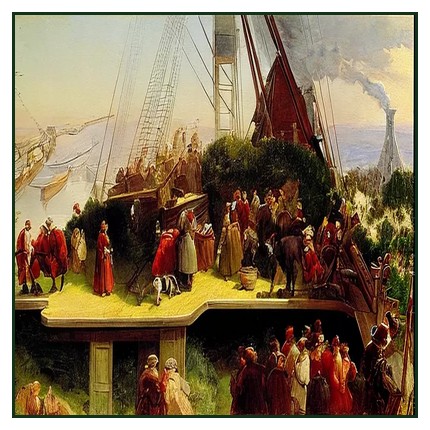
Charlotte Grace O’Brien, a Protestant turned Catholic later in life, carved a distinctive path as a champion for the welfare of Irish emigrants. Her journey began as a lobbyist, where she successfully advocated for the presence of a Catholic priest aboard emigrant ships, a move that transcended religious boundaries and captured public attention. Her subsequent focus on the practical needs of emigrants led her to witness scenes of chaos in Queenstown, prompting her to take direct action.
In the midst of what she described as “perfect pandemonium,” with scores of emigrant women arriving in a state of distress, hunger, and fatigue, Charlotte recognized the urgent need for tangible assistance. Her response was the establishment and management of a 105-bed lodging house in Queenstown, providing shelter to emigrant girls and women awaiting departure. This initiative was a testament to her commitment to addressing the immediate challenges faced by those embarking on journeys fraught with uncertainty.
Her lodging house served as a sanctuary for thousands of emigrants each year, offering respite and support in the face of the trials they encountered. In the year 1882 alone, she reported to an American interviewer that about 3,000 lodgers found refuge under her care. The scale of her operation highlighted the magnitude of the need for such humanitarian efforts during this period of intense Irish emigration.
Charlotte’s commitment extended beyond the walls of the lodging house. Recognizing the crucial role of policing the ships for which her lodgers were destined, she actively engaged in ship inspections. Paired with a medical officer, she embarked on daily visits, often beginning at six o’clock in the morning and covering multiple ships. Her conscientious approach reflected a deep sense of responsibility and a hands-on commitment to ensuring the well-being of emigrants throughout their journey.
In her own words, Charlotte Grace O’Brien acknowledged the gravity of her role: “I realised I could do nothing unless I seized the ropes into my own hands.” This sentiment encapsulated her philosophy of direct and proactive intervention, a departure from mere advocacy to the practical implementation of solutions. Her efforts, both in the lodging house and aboard the ships, were emblematic of a woman who recognized the urgency of her mission and acted with unwavering dedication.
Charlotte’s transition from lobbyist to humanitarian champion marked a pivotal phase in her advocacy. The lodging house in Queenstown became a beacon of compassion, offering not just shelter but a sense of hope to emigrants facing the uncertainties of their journeys. In the chaos of departure, Charlotte Grace O’Brien emerged as a steady force, providing tangible support to those in need and leaving an enduring legacy of compassion and action in the annals of Irish history.
A Firsthand Journey to Advocate for Reform
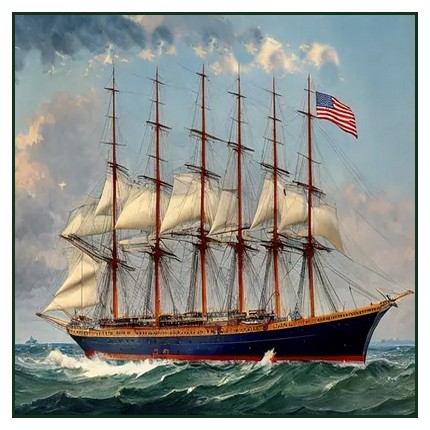
The commitment of Charlotte Grace O’Brien to the well-being of Irish emigrants transcended advocacy and lobbying; she sought firsthand experiences to better understand and address the challenges faced by those passing through her lodging house doors. In 1882, she embarked on a transatlantic journey from Liverpool to Queenstown, choosing to travel in the steerage berths—the very conditions that most Irish emigrants endured.
The voyage, lasting about twenty-four hours, exposed Charlotte to the harsh realities of steerage travel. In her report, she recounted the crowded conditions, noting that there were four horses berthed among the passengers, revealing a stark aspect of the overcrowded and often unsanitary environment of steerage. She revealed that, legally, up to ten horses could be berthed in steerage, emphasizing the appalling conditions she witnessed.
Despite the squalor and discomfort, Charlotte also observed a contrasting aspect—the resilience and camaraderie among the passengers. She remarked, “It was all awfully dirty and disgusting and the food bad enough, but on the other hand, the people were so friendly, so good to one another, so cheery, I was happy enough.” This nuanced perspective reflected her keen observational skills and a recognition of the strength and solidarity that often emerged in the face of adversity.
Even though Charlotte herself did not travel as a steerage passenger during her transatlantic voyages, she utilized these journeys as opportunities to investigate shipboard conditions. Her findings served as a catalyst for her subsequent advocacy efforts. In an 1882 interview, she outlined the reforms she sought, emphasizing the need for single men and women to be berthed in compartments as intended by English law. She also advocated for improved provisions, including bedding and utensils, in steerage. Additionally, Charlotte proposed the provision of towels and bowls to enable steerage passengers to maintain basic hygiene—an aspect that had been overlooked until then.
Through her firsthand experiences and subsequent advocacy, Charlotte Grace O’Brien played a pivotal role in shedding light on the conditions faced by steerage passengers and pushing for reforms that would enhance their well-being. Her approach exemplified a commitment to tangible action, rooted in a deep understanding of the challenges faced by those she sought to assist. In the pursuit of health and safety standards, Charlotte’s advocacy became a beacon for change, leaving an enduring impact on the conditions faced by Irish emigrants during their transatlantic journeys.

A Transatlantic Shift and the Establishment of Our Lady of the Rosary Mission
Charlotte Grace O’Brien’s tireless advocacy for Irish emigrants transitioned to the other side of the Atlantic, bringing her work to the heart of the immigrant experience in New York. Recognizing the limitations of effecting permanent change in Ireland, she set her sights on New York as the next crucial focal point for her efforts.
In 1882, she made a poignant choice upon her arrival in New York—opting not for a hotel or upscale boarding house but for a room in a tenement house on Washington Street. This decision immersed her directly in the lives of Irish emigrants, providing a firsthand understanding of the challenges faced by those who had passed through her care in Queenstown.
Reflecting on her first visit to the New York tenements, she observed the stark realities of immigrant life, especially the plight of unprotected girls who had journeyed through her hands in Queenstown. In an interview, she expressed her concern about the health of the children, highlighting the miserable conditions of the tenement house system. Her observations ranged from the unhealthy atmosphere of sleeping rooms to the tragic loss of children in families residing in these overcrowded spaces.
Despite the challenges, Charlotte also noted instances where families, formerly living in Irish cabins, found improved living conditions in New York tenement houses. This contrast underscored the complexity of the immigrant experience, wherein individuals faced both hardships and opportunities for improved circumstances.
To address the dire conditions she witnessed, Charlotte Grace O’Brien took proactive steps. In 1883, she collabourated with Catholic church authorities, particularly Archbishop Ireland, to establish the Our Lady of the Rosary mission. This mission was dedicated to aiding immigrants, continuing the advocacy work initiated by O’Brien herself. Even as her health began to decline, the mission became a beacon of support for the Irish immigrant community in New York.
In an era when women’s contributions were often overlooked, Charlotte’s efforts demonstrated not only her compassion but her ability to effect tangible change. Our Lady of the Rosary mission, born from her vision and commitment, continued to champion the rights and well-being of immigrants, even when O’Brien’s failing health prevented her direct involvement.
Charlotte Grace O’Brien’s legacy, marked by a transatlantic shift and the establishment of the Our Lady of the Rosary mission, exemplifies the enduring impact of her advocacy. Her work, both in Queenstown and New York, left an indelible mark on the lives of countless Irish emigrants, showcasing the transformative power of one woman’s dedication to making a difference in the world.
Navigating Controversy: O’Brien’s Response to Criticism
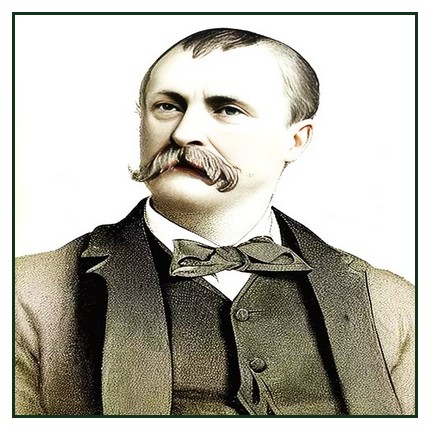
Amidst her tireless efforts to aid Irish emigrants, Charlotte Grace O’Brien faced criticism from those who viewed emigration as a symptom of a deeper social issue rather than a challenge to be alleviated. One such voice was that of John Boyle O’Reilly (Image), an exiled nationalist, who expressed a sentiment in the Boston Pilot in January 1883 that emigrants should bear the odium of their condition, attributing it to the policies of the English Government.
O’Reilly’s stance reflected a perspective that saw emigration not as a solution but as a manifestation of the social and economic ills inflicted upon Ireland. He even expressed a willingness to accept the deaths of emigrants on the wharves as a form of protest against the forces that compelled them to leave their homeland.
In response to critiques like O’Reilly’s, Charlotte Grace O’Brien acknowledged the complexity of the issue. She recognized that some saw emigration as a social evil, a consequence of deeper problems like land reform and the oppressive policies of the English Government. O’Brien lamented that the focus on emigration often diverted attention from pressing issues at home.
In a rebuttal later in the same year, she articulated her understanding of the situation: “But I cannot close my eyes to the fact that a large part of Ireland is in deep distress; that starvation is, in parts, imminent, that the steamship companies have lowered their fares, and that in America there is fair prosperity.” Her response reflected a pragmatic acknowledgment of the circumstances at play—economic hardship, potential famine, and the lure of better prospects in America.
While acknowledging the complexities and challenges, O’Brien emphasized that the trend of emigration was an undeniable reality that affected the lives of thousands of departing Irish. She asserted that, despite personal opinions on the subject, the circumstances—lowered fares, distress in Ireland, and prosperity in America—would inevitably lead to a significant wave of immigration.
Charlotte Grace O’Brien’s response showcased a nuanced understanding of the multifaceted issues surrounding emigration. Her pragmatic approach acknowledged the interconnected factors driving the phenomenon, from economic hardship to the policies of the English Government. In the face of criticism, she remained committed to addressing the immediate needs of emigrants, recognizing that the harsh realities of the time demanded practical solutions rather than ideological debates.
A Humanitarian Approach to Emigration
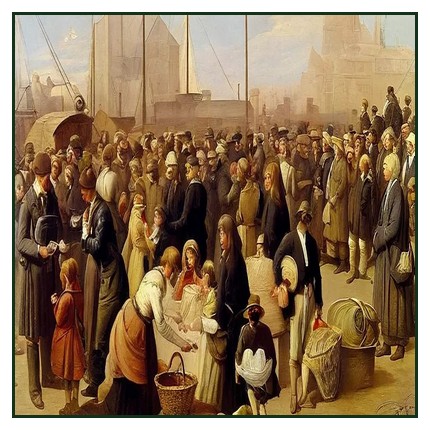
Charlotte Grace O’Brien’s career in emigration was characterized neither by condemnation nor celebration, but by a humanitarian determination to navigate the inevitable challenges and to extend a helping hand to those embarking on arduous journeys. This attitude, reflecting a pragmatic acknowledgment of the realities at play, resonated with many of the emigrants themselves.
Throughout the emigration process, a spirit of women helping each other prevailed. Charlotte Grace O’Brien exemplified this through her philanthropic efforts, providing support and solace to young women whose Atlantic passage she eased. However, the network of support extended beyond philanthropy—young servants sent passage money to sisters, cousins, or neighbors, and writers published appeals for aid in American newspapers and magazines that catered to Irish immigrant communities.
In understanding Irishwomen’s emigration, it becomes essential to embrace the entwined senses of tragedy, survival, and community that pervade the story of emigration. Charlotte Grace O’Brien, along with countless others, navigated the complexities of this historical phenomenon with resilience and compassion. The thousands of young women whose Atlantic passage she eased, and those who, in turn, supported one another, played a pivotal role in shaping and living the intricate narrative of emigration.
The story of Irishwomen’s emigration is one that transcends mere statistics or historical analysis. It is a narrative woven with threads of tragedy, as individuals faced the hardships of leaving their homeland. It is also a story of survival, as emigrants sought better prospects on distant shores. However, at its core, it is a tale of community—a collective effort to ease the burden of the inevitable and to find strength in solidarity.
In remembering figures like Charlotte Grace O’Brien and the countless women who shaped and lived the historical phenomenon of emigration, we honour not only their individual contributions but also the spirit of compassion and mutual support that defined an era. Their humanitarian determination to make the best of the inevitable reflects a timeless resilience and underscores the interconnectedness that binds communities together, transcending borders and generations.
Limerick Gazette Archives

