Irish Whiskey Adulteration Investigated
On 13 February 1900, Parliament launched a detailed investigation into.
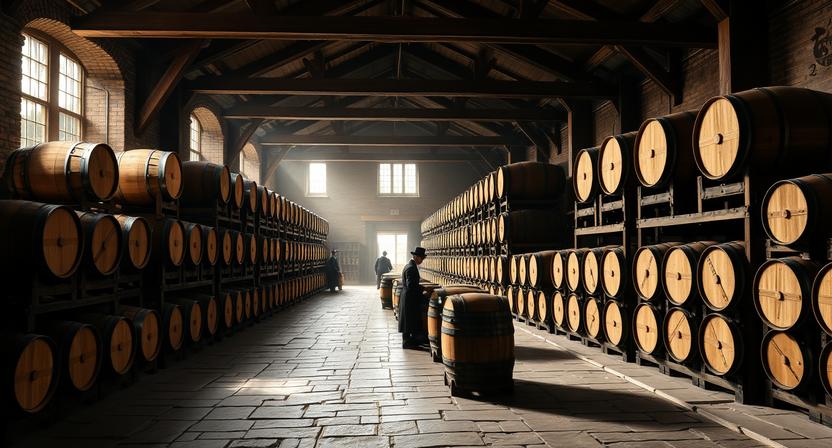
On 13 February 1900, Parliament launched a detailed investigation into allegations of adulteration of Irish whiskey while held in bonded warehouses, raising concerns about public health, commercial integrity, and the reputation of one of Ireland’s most famous exports. The inquiry was prompted by reports from customs officials and distillers, who noted irregularities in the quality and composition of whiskey sampled before release to the market. MPs from both Ireland and Britain demanded answers about the scale of the problem and the effectiveness of current controls in protecting consumers and legitimate producers.
The debate began with expert testimony from excise officers and representatives of Irish distilleries. They described cases where whiskey in bond had been tampered with, diluted, or mixed with inferior spirits, sometimes by unscrupulous intermediaries seeking to increase profits. Evidence was presented of altered flavour, reduced alcoholic strength, and the use of additives that could compromise safety. Distillers expressed frustration at the potential damage to their industry, warning that continued adulteration would undermine consumer confidence at home and abroad.
Attention then turned to the regulatory environment surrounding bonded warehouses. MPs questioned whether customs inspections were frequent and thorough enough, and whether penalties for adulteration acted as a sufficient deterrent. Some argued that existing legislation left loopholes for illicit activity, and called for stricter oversight, random sampling, and harsher punishments for offenders. Others emphasised the need to balance rigorous controls with efficient trade, so as not to disadvantage law-abiding businesses.
Government officials responded by outlining recent steps to strengthen warehouse regulations, including increased inspections, updated record-keeping requirements, and closer cooperation with distillers. They acknowledged that some problems persisted but insisted that the majority of Irish whiskey exports met the highest standards. Ministers pledged to continue working with industry leaders to identify vulnerabilities and ensure that the reputation of Irish whiskey was preserved.
Public reaction was immediate, with newspapers and trade publications covering the investigation in detail. Editorials called for consumer protection and the safeguarding of Irish industry, while whiskey merchants and publicans demanded reassurance about product quality. The investigation into adulteration in bonded warehouses on 13 February 1900 underscored the importance of transparency, trust, and effective regulation in maintaining a cornerstone of Irish commerce.
- UK Parliament, Hansard, HC Deb 13 February 1900, “Adulteration of Irish Whisky in Bond.”
- Freeman’s Journal (Dublin), 14 February 1900, coverage of parliamentary debate and industry response.
- Irish Times, 14 February 1900, analysis of customs enforcement and whiskey quality.
- Whiskey trade publications, February 1900, statements from distillers and merchants.