
In the annals of Irish history, there are moments that stand out as poignant symbols of resilience, unity, and honour. One such moment unfolded in Limerick on a Tuesday morning in April 1900, as Queen Victoria, the reigning monarch of the British Empire, embarked on a visit to Ireland. The occasion was not merely a royal visit; it became a heartwarming ceremony, demonstrating the unwavering support of the Irish people for their soldiers who had participated in the South African War. The event, marked by the presentation of a bouquet to the Queen by a young girl, Agnes Hartigan, and her mother, Mrs Hartigan, under the patronage of the compassionate Countess of Limerick, left an indelible mark on Limerick’s history.
This historical article reflects on the impact of Queen Victoria’s visit and the heartfelt ceremony in Limerick, Ireland, and how it encapsulated the spirit of the era, resonating with themes of loyalty, patriotism, and empathy. It also delves into the unique context of Limerick as a nationalist city with a significant loyalist population, shedding light on the complex dynamics of the time.
Limerick, situated on the banks of the River Shannon in the southwestern part of Ireland, boasts a rich and storied history. With its roots dating back to the medieval period, Limerick has played a significant role in Irish history, particularly during the turbulent times of British rule.
By the dawn of the 20th century, Limerick found itself at the crossroads of Irish history. It was a city marked by divisions, with a nationalist majority coexisting alongside a significant loyalist population. This unique dynamic added complexity to Limerick’s relationship with the British monarchy and shaped the events surrounding Queen Victoria’s visit.
The turn of the 20th century was marked by global conflicts, and the South African War, also known as the Second Boer War, was one of them. It pitted the British Empire against the Boer states of South Africa in a protracted and often brutal conflict. Irish soldiers, loyal to the crown, played a pivotal role in this war.
Irish regiments, including the Royal Dublin Fusiliers, were deployed to South Africa, where they faced the challenges of a distant and hostile terrain. These Irish soldiers displayed unwavering courage and valour on the battlefield, earning the respect of their comrades and superiors alike. However, they also faced the harsh realities of war, enduring separation from their families and the physical and emotional toll of combat.

In Limerick, a city with a nationalist majority and a significant loyalist population, the South African War presented a paradox. While some of its residents supported the Irish regiments’ participation in the conflict, others viewed it with scepticism, considering it a manifestation of British imperial interests.
The divisions in Limerick’s identity were reflected in the diverse reactions to Queen Victoria’s visit. While some saw it as an opportunity to express their loyalty to the British crown, others viewed it through a lens of ambivalence, torn between their Irish nationalist sentiments and the broader context of the British Empire.
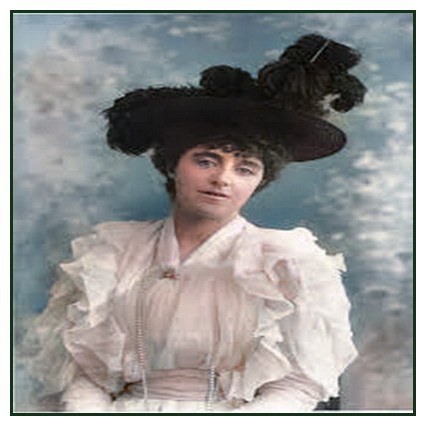
In the midst of the South African War and the complexities of Limerick’s identity, Lady Limerick, the wife of the 6th Earl of Limerick, emerged as a prominent figure in Limerick society. Known for her sympathy and support for the Irish troops and their families, she dedicated herself to alleviating the hardships faced by those affected by the war.
It was under the patronage of Lady Limerick that the ceremony at the Viceregal Lodge in Limerick was organized. Her tireless efforts to honour the Irish soldiers and their families would culminate in a touching tribute to the Queen.
As news of Queen Victoria’s impending visit to Ireland spread, the wives and widows of Irish soldiers who had served in the South African War initiated a subscription to present a bouquet to Her Majesty. This gesture was not just an ordinary floral arrangement; it was a symbol of appreciation and gratitude for the sacrifices made by Irish soldiers on the distant battlefields of South Africa.
Among the contributors to this subscription was Mrs. Hartigan, the mother of a young girl named Agnes Hartigan, and it was this family that would play a pivotal role in the ceremony’s unfolding.
Sergeant-Major Hartigan of the Royal Dublin Fusiliers and his family were deeply affected by the South African War. The separation from their father and husband was undoubtedly a source of great anguish. However, this adversity would also provide an opportunity for the Hartigan family to participate in a momentous event that would leave an indelible mark on Limerick’s history.
Little Agnes Hartigan, the daughter of Sergeant-Major Hartigan, was chosen for the honour of presenting the bouquet to Queen Victoria. Her selection was a testament to the resilience and courage displayed by the families of Irish soldiers. It was a recognition of the sacrifices made not only by the soldiers themselves but also by their loved ones waiting anxiously at home.
The day of the presentation at the Viceregal Lodge in Limerick arrived, and anticipation hung in the air. Lady Limerick, who had played a pivotal role in organizing the event, met with Mrs. Hartigan and her daughter Agnes. They joined together in the drawing room, where the bouquet, a beautiful arrangement adorned with the regimental ribbons of Irish regiments serving at the front, was carefully prepared.
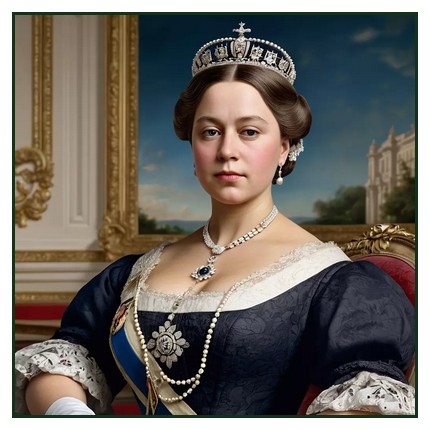
As the moment approached, Queen Victoria, accompanied by Lord Denbigh, entered the room. Her Majesty was no stranger to the pomp and circumstance that often surrounded her, but on this occasion, the atmosphere was charged with a sense of solemnity and genuine emotion.
With grace and dignity, Queen Victoria accepted the bouquet from Agnes Hartigan. The Queen’s gesture was not a mere formality; it was a symbol of recognition and appreciation for the sacrifices made by Irish soldiers. The bouquet, with its carefully chosen ribbons, was a tangible representation of the loyalty and dedication of Irish regiments serving in a distant land.

The significance of this moment was not lost on those present. It was a poignant reminder that even in the midst of a far-reaching empire, the people of Limerick, and by extension, Ireland, held their soldiers in high esteem. The sacrifices made by these soldiers were not in vain; they were acknowledged and honoured by the highest authority in the land.
The presentation of the bouquet was not the sole purpose of this ceremony. It was also an opportunity to support the families of Irish soldiers who had served in the South African War. The remaining money from the subscription, amounting to £22, was collected and placed in a purse. Queen Victoria, demonstrating her compassion and empathy, instructed that this sum be handed over to the Irish Soldiers and Sailors’ Families Association.
This gesture, while financial in nature, carried profound emotional weight. It signified the commitment of the monarchy to alleviate the suffering of those who had borne the burden of the war on the home front. It was a reminder that the welfare of soldiers’ families was a shared responsibility, one that transcended political and social boundaries.
Following the presentation of the bouquet and the donation to the Irish Soldiers and Sailors’ Families Association, Queen Victoria engaged in a meaningful conversation with Mrs. Hartigan and Agnes. These conversations, while private, were undoubtedly filled with warmth and empathy.
For Mrs. Hartigan, a mother who had endured the anxieties and uncertainties of having her husband serve in a distant war, this moment must have been deeply reassuring. It was a rare opportunity to speak directly to the sovereign, to share her experiences, and to feel heard and understood.
Agnes, a young girl thrust into the limelight, must have been both awed and inspired by her encounter with Queen Victoria. Her role in the ceremony was not merely symbolic; it was a tangible demonstration of the resilience and strength of Irish families. Agnes, in her innocence, represented the hope and future of a nation that had endured centuries of struggle.
The ceremony at the Viceregal Lodge in Limerick on that fateful Tuesday morning in April 1900 left an indelible mark on the city and its people. It was more than a royal visit; it was a testament to the enduring spirit of the Irish people and their complex relationship with the British monarchy.
In the years that followed, the memory of this event continued to resonate in Limerick. It served as a reminder of the sacrifices made by Irish soldiers and their families, as well as the compassion and empathy that could bridge the divide between the monarchy and its Irish subjects.
In the decades that followed Queen Victoria’s visit, Ireland’s relationship with the British monarchy would evolve. The early 20th century witnessed increasing political turmoil, with the demand for Irish independence gaining momentum. The Easter Rising of 1916 and subsequent events would ultimately lead to the establishment of the Irish Free State in 1922.
With the emergence of an independent Ireland, the ties to the British monarchy were severed, and the role of the monarchy in Irish affairs diminished. However, the memory of moments like the ceremony in Limerick continued to hold significance, representing a chapter in Irish history when loyalty and empathy transcended political differences.
The ceremony at the Viceregal Lodge in Limerick, Ireland, during Queen Victoria’s visit in 1900, stands as a poignant and touching moment in the city’s history. It was a moment when the sacrifices of Irish soldiers in the South African War were acknowledged and honoured by the highest authority in the land. It was a moment when the families of these soldiers, who had endured the anxieties of separation and the hardships of war, were recognized and supported.
In the context of Limerick’s complex identity as a nationalist city with a significant loyalist population, this event takes on added significance. It showcased the empathy and solidarity that could bridge divides, even in a city marked by political tensions. While Ireland would eventually achieve independence, the memory of moments like these serves as a reminder of the enduring spirit of the Irish people and their ability to find common ground in times of adversity.
Limerick, a city steeped in history and divisions, will forever hold this ceremony as a part of its heritage—a testament to the loyalty, patriotism, and compassion of its people. It is a reminder that even in the face of larger geopolitical forces and internal divisions, individual acts of kindness and recognition can leave a lasting impact on the hearts and minds of a community.
Gentlewoman – Saturday 28 April 1900

