
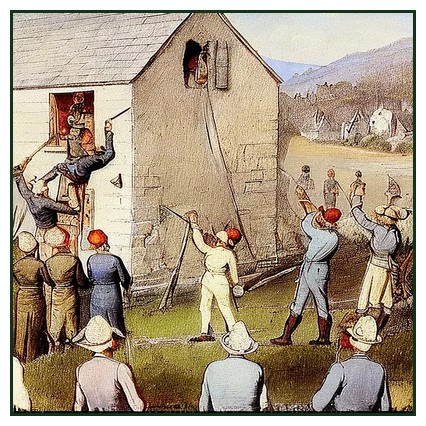
In a recent gathering at Mountshannon, County Limerick, evicted tenants voiced their grievances and resolutions concerning the estate of Mrs. Hester Nevios. The meeting, held on May 15th, 1905, saw passionate discussions regarding the delayed allotment of land and plans for a convention to advocate for their rights.
The resolution, proposed by Mr Fenton and seconded by Mr Hogan, both evicted tenants themselves, highlighted the pressing issue of the Estates Commissioners’ inaction regarding the allotments approved on January 26th of the same year. The evicted tenants expressed their concern about the lack of information and clarity on when the allotments would be allocated to them. Many had confidently expected to gain possession of the land by May 1st and had made arrangements accordingly.
With the aim of seeking answers, the resolution called upon the Estates Commissioners for an explanation regarding the delayed allotment process. To amplify their cause, a copy of the resolution was also forwarded to Mr J. E. Redmond, Chairman of the Irish Parliamentary Party.
The Estates Commissioners responded to the evicted tenants’ query with letters read at the meeting. On April 28th, 1905, the Commissioners informed Mr Martin Hogan that they would not take possession of the estate until November 1st. On May 15th, 1905, they responded to Mr Martin Meagher, stating that they were currently unable to specify a date for the allotments on the Mountshannon Estate.
During the meeting, Mr Moloney emphasized the urgent need for action. He expressed his disappointment with the Act for evicted tenants, which he believed had proven ineffective in reinstating a significant number of them. Only about 100 out of 4,000 evicted tenants had been reinstated, and a mere £3,000 out of a quarter of a million had been distributed to support them. He pointed out that the Estates Commissioners’ new rule, restricting their actions when estates were sold, hindered the progress of reinstating the tenants.
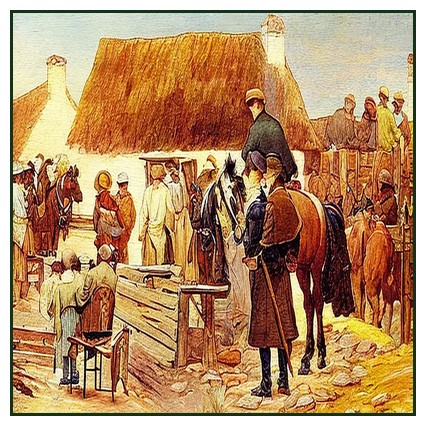
Mr Moloney urged the evicted tenants to unite and take assertive action through a convention. He believed that a vigorous agitation was required to compel the government to remove the restrictions on the Estates Commissioners and to make the Act compulsory where necessary. According to him, conciliation had proven ineffective, and a policy of exasperation and assertiveness was the way forward.
In response to Mr Moloney’s call for action, the meeting decided to hold a convention for evicted tenants. The convention would aim to formulate a cohesive plan of action, display the evicted tenants’ cause to the world, and advocate for their rights. Unity and energetic action were seen as crucial in the pursuit of immediate and permanent reinstatement.
The date for the convention was to be determined, with June 29th or August 15th being potential options. The evicted tenants were resolute in their determination to reclaim their rights and bring attention to their plight. They believed that their actions could help overturn the challenges and obstacles they faced in seeking justice and reinstatement.
Limerick Echo – Tuesday 23 May 1905

