
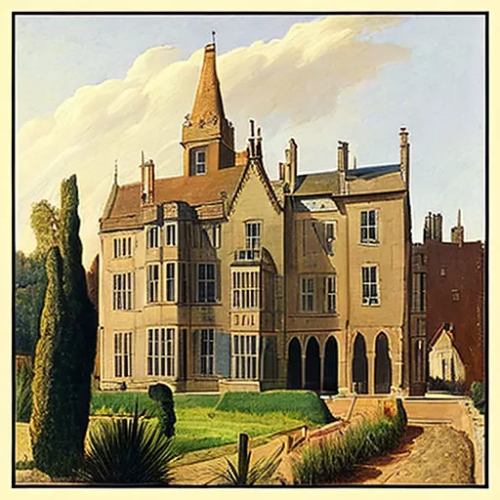
In a bold and visionary move, Lord Dunraven, a staunch friend of Ireland, has embarked on an intriguing experiment that could reshape the economic landscape of Limerick. His venture involves the cultivation of tobacco at Adare, and the success of this endeavour holds the promise of establishing a thriving tobacco industry in the heart of Ireland. If Lord Dunraven’s hopes materialize, a tobacco factory may soon grace the city of Limerick, signaling the potential for a new era of economic prosperity.
The experiment is not merely a horticultural venture but a strategic move to tap into Ireland’s agricultural potential. Lord Dunraven’s confidence in the Irish soil’s ability to yield quality tobacco has historical roots, echoing a long-standing knowledge that Ireland possesses the key ingredient for a successful tobacco industry. The experiment at Adare is not just about the cultivation of crops; it is about unlocking the economic possibilities lying dormant in the Irish landscape.
The prospect of a tobacco factory in Limerick sparks enthusiasm for the creation of a new and lucrative industry. Lord Dunraven’s vision extends beyond the cultivation of tobacco; it encompasses the establishment of a sustainable and profitable sector that could contribute significantly to the local economy. Limerick, with its rich history and vibrant community, stands poised to embrace this renaissance and diversify its economic portfolio.
The success of this experiment hinges not on the material – Irish soil’s proven ability to nurture tobacco plants – but on the refinement of technique. Lord Dunraven’s initiative signals a commitment to mastering the intricacies of tobacco cultivation and processing. It is a testament to the belief that with the right knowledge and expertise, Ireland can position itself as a formidable player in the global tobacco market.
As the experiment unfolds, the eyes of the nation turn toward Adare, where the verdant fields may soon yield a crop that transcends agricultural significance. The prospect of a tobacco industry in Limerick carries the potential to create jobs, stimulate economic growth, and revitalize the region. It aligns with the broader narrative of Ireland’s economic evolution, showcasing a nation willing to explore new avenues for prosperity.
Lord Dunraven’s venture also underscores the importance of private initiatives in driving economic development. By leveraging his resources and expertise, he is not only contributing to Limerick’s economic potential but also setting an example for others to follow. The synergy between private initiatives and regional development could be a catalyst for a broader economic transformation.
While the tobacco experiment is in its early stages, it has already ignited discussions about the future of agriculture and industry in Ireland. It prompts questions about the untapped potential of the nation’s soil and the role it could play in shaping a more diverse and resilient economy. Lord Dunraven’s gamble may well be the catalyst for a broader conversation about the strategic utilization of Ireland’s natural resources.
In conclusion, Lord Dunraven’s foray into tobacco cultivation at Adare represents more than an agricultural experiment – it symbolizes a vision for economic rejuvenation in Limerick. The success of this venture could mark the beginning of a new chapter, where Ireland not only cherishes its cultural heritage but also pioneers industries that propel it into a prosperous future. As the tobacco leaves unfurl in Adare, they carry with them the aspirations of a community eager to see their city thrive in the changing tides of economic opportunity.
Globe – Saturday 12 December 1908

