

In the annals of history, Ireland’s rich tapestry of culture and civilization often goes overlooked, eclipsed by narratives of conquest and suppression. However, a groundbreaking work by Mrs. J. R. Green, widow of the renowned author of “A History of the English People,” seeks to unearth the forgotten chapters of Ireland’s past. Titled “The Making of Ireland and its Undoing,” this compelling narrative challenges prevailing perceptions and sheds light on the vibrant civilization that existed before Tudor conquests reshaped the destiny of the Emerald Isle.
The story begins with an old Irish proverb that encapsulates the essence of a people deeply connected to their land and traditions: “Three slender things best support the world—the slender stream of milk into the pail, the slender blade of grass upon the ground, the slender thread over the hand of a skilled woman.” This proverb sets the stage for a journey into a world often dismissed as uncivilized and primitive, a world that thrived in the face of adversity.
Contrary to prevailing stereotypes, the narrative paints a picture of a sophisticated society, challenging the portrayal of the Irish as wild and uncivilized. Even during the Elizabethan era, when adventurers from across the Irish Channel sought to exploit the land, Ireland was not a barren wilderness. It offered enticing opportunities, described as “many a pretty farm, which would make a fit match for younger brothers.”

The natural wealth of Ireland was extolled, with its people recognized as skilled cultivators and traders. The provinces of Munster, Connacht, and Ulster were described as flourishing regions with abundant resources. Irish grain, cloth, linen, and leather goods were traded for wines and commodities with French and Spanish merchants. The ports of Waterford, Galway, and Cork bustled with activity, a stark contrast to their idle and desolate state in later centuries.
The land system in pre-Tudor Ireland provided occupiers with a fixity of rent and tenure, offering a stability that would be eroded in the years to come. Brehon Law, often dismissed as primitive custom, was revealed as a sophisticated legal code administered by trained judges. Learning and education were highly esteemed, with great chieftains expected to support scholars in various fields.
The position of women in Irish society was elevated, holding personal property and often arbitrating disputes between families and clans. The descendants of Norman soldiers had adopted Gaelic customs, creating a unique blend of traditions that enriched Irish culture.
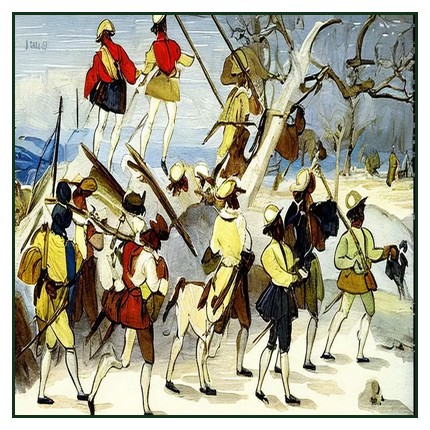
Despite these achievements, the narrative takes a sombre turn as it delves into the consequences of Tudor conquests. The struggle for reform and extermination unfolded over centuries, resulting in the destruction of religion, art, learning, laws, commerce, and agriculture. What was once a thriving civilization gave way to a landscape marked by ruins, empty ports, and deserted rivers and lakes.
In concluding her narrative, Mrs. Green urges readers to understand the profound impact of Tudor and Stuart reigns on the modern Irish question. The book serves as a crucial reminder of Ireland’s enduring spirit, offering encouragement and hope for a revival of its rich heritage in the face of adversity.
As we delve deeper into the narrative, we uncover the complexities of Tudor conquests and their enduring consequences. The Tudor era marked a turning point for Ireland, as adventurers from England sought to exploit its fertile lands and diminish the autonomy of its people. Ireland, far from being a primitive backwater, was a land of promise, offering numerous opportunities for those seeking to establish themselves.

The natural wealth of Ireland was a significant draw, with regions like Munster, Connacht, and Ulster described as flourishing hubs of agriculture and trade. Irish goods, including grain, cloth, linen, and leather products, were highly sought after and traded for wines and other commodities with European merchants. The ports of Waterford, Galway, and Cork buzzed with activity, forming vital links in the economic chain that connected Ireland to the broader European world.
The land system in pre-Tudor Ireland provided a stable foundation for its occupants, offering fixed rents and tenures that ensured a degree of security. Brehon Law, often dismissed as primitive, was, in fact, a sophisticated legal code administered by trained judges. Learning and education were highly valued, with great chieftains expected to support scholars in various fields. Women held positions of influence, contributing to dispute resolution and enjoying personal property rights.

However, this flourishing civilization faced a dire fate as Tudor conquests unfolded. The struggle for reform and extermination spanned centuries, leaving in its wake a devastated landscape. The destruction of religion, art, learning, laws, commerce, and agriculture cast a shadow over a once-thriving society. What was left were ruins, empty ports, and deserted rivers and lakes, painting a stark picture of the impact of Tudor rule on Ireland’s cultural and economic landscape.
Mrs. Green’s narrative challenges readers to reflect on the profound consequences of Tudor and Stuart reigns on the modern Irish question. The book serves as a poignant reminder of Ireland’s enduring spirit, even in the face of adversity. It calls for a reevaluation of historical narratives that have long overshadowed the untold story of Irish Ireland, a story of resilience and hope.
As we navigate through the chapters of this compelling narrative, we confront the harsh realities of Tudor conquests and the lasting imprint they left on Ireland. The Tudor era was a pivotal moment that altered the course of Irish history, introducing a chapter of exploitation and suppression that would echo through the centuries.

In contrast to prevailing stereotypes, Ireland was not a primitive backwater but a land of promise, beckoning those seeking a new start. The natural wealth of the land, coupled with a stable and well-structured society, provided a foundation for a flourishing civilization. The picturesque provinces of Munster, Connacht, and Ulster were not desolate landscapes but thriving regions where skilled cultivators and traders worked in harmony with the land.
As the narrative unfolds, it challenges the notion of Ireland as a land untouched by progress. Instead, it reveals a nation engaged in vibrant trade, with its grain, cloth, linen, and leather goods sought after by merchants from France and Spain. The bustling ports of Waterford, Galway, and Cork were hubs of activity, facilitating exchanges that enriched both Irish and foreign shores.
The stability provided by the land system in pre-Tudor Ireland ensured a fixity of rent and tenure, a stark contrast to the upheavals that would follow. Brehon Law, often dismissed as primitive, emerges as a sophisticated legal code administered by trained judges. The emphasis on learning and education, with great chieftains supporting scholars, showcased a society that valued intellectual pursuits.
The book paints a nuanced picture of Ireland’s cultural landscape, revealing a unique blend of Gaelic and Norman traditions. Far from being a society at odds with itself, Ireland had woven a rich tapestry where different customs coexisted harmoniously.
However, the narrative takes a poignant turn as it navigates through the consequences of Tudor conquests. The struggle for reform and extermination left a lasting mark on Ireland’s history, eroding its religious, artistic, and educational foundations. The once-thriving civilization succumbed to a landscape marked by ruins, empty ports, and deserted rivers and lakes.
Mrs. Green’s work invites readers to reflect on the profound impact of Tudor and Stuart reigns on Ireland’s modern identity. The narrative, while acknowledging the historical wounds inflicted, also serves as a testament to the enduring spirit of the Irish people. The hope for a revival of their rich heritage echoes through the pages, urging contemporary readers to appreciate the resilience of a nation that faced adversity with strength and grace.
In a world where historical narratives often echo the loudest conquests and conflicts, “The Making of Ireland and its Undoing” offers a counterpoint—an exploration of a civilization that thrived, faced adversity, and retained the core of its identity through the passage of time. It is a reminder that beyond the surface of historical events, there are stories of resilience, culture, and the enduring human spirit.
Morning Leader – Friday 11 December 1908

