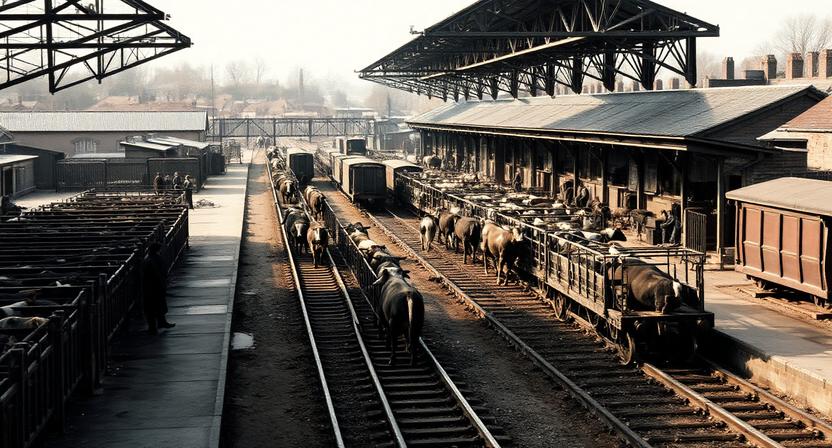
On 6 February 1900, regulations governing the movement of cattle.
Regulations Questioned
On 6 February 1900, regulations governing the movement of cattle through northern Ireland were brought under scrutiny in Parliament, a subject followed closely in Limerick due to the city’s central role in the national cattle trade. Limerick’s markets and railway links made it a hub for livestock moving between regions, and any changes to transit rules in Ulster had a direct bearing on the city’s commercial activity and the fortunes of farmers and traders who depended on seamless distribution routes.
View Record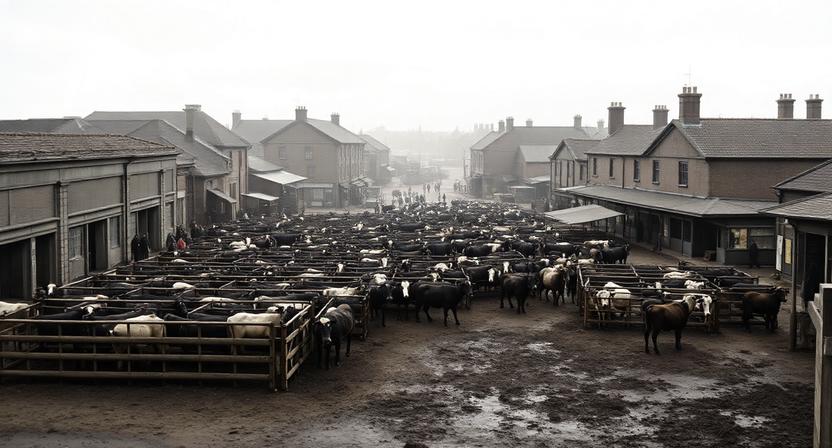
On 6 February 1900, restrictions on importing cattle into Ireland.
Disease Emergency
On 6 February 1900, restrictions on importing cattle into Ireland due to the foot-and-mouth disease emergency became a pressing topic in Parliament, with particular resonance in Limerick—a city deeply linked to Ireland’s agricultural trade. Limerick’s livestock markets and meat-processing industries depended heavily on the steady movement of cattle, and any limitations threatened both local economies and the livelihoods of farmers throughout the region. The city’s newspapers and agricultural societies keenly tracked government announcements, voicing concern about the impact of prolonged restrictions on trade, prices, and food supply.
View Record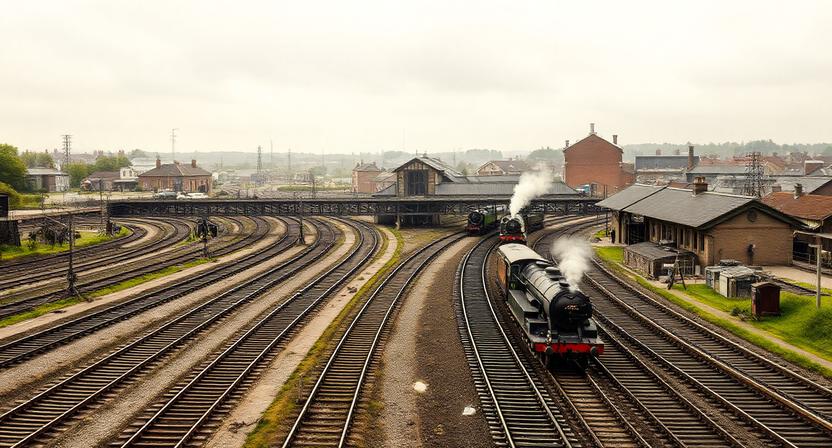
On 6 February 1900, the proposed amalgamation of the Great.
Railway Amalgamation
On 6 February 1900, the proposed amalgamation of the Great Southern and Western Railway with the Waterford, Limerick and Western Railway was raised in Parliament, an issue of immediate interest to the people of Limerick. The city served as a strategic hub for both railway companies, and the potential merger sparked widespread discussion among Limerick’s business leaders, merchants, and everyday travellers who relied on efficient rail connections for commerce and communication. Many in Limerick saw the proposal as a double-edged sword: it promised improved connectivity and investment but raised concerns about local influence and job security.
View Record
On 6 February 1900, news from Dublin that John Redmond.
United Irishmen
On 6 February 1900, news from Dublin that John Redmond had been unanimously elected chairman of the reunited Irish Parliamentary Party was greeted with particular significance in Limerick, where the effects of nearly a decade of political division had long been felt. For years, the city’s nationalist organisations, voters, and civic leaders had been split between Parnellite and anti-Parnellite factions, leading to rival meetings, divided loyalties, and weakened influence in Parliament and local affairs. The announcement of unity was seen as a turning point—a chance for Limerick to regain its voice in the national movement and pursue Home Rule with renewed purpose.
View Record
On 5 February 1900, the removal of Irish magistrates from.
Magistrates’ Removal
On 5 February 1900, the removal of Irish magistrates from office became the subject of an official question in the British Parliament—a development watched with close interest in Limerick, where the integrity and independence of the local judiciary was a constant matter of public concern. Limerick’s legal and civic communities had a strong tradition of involvement in legal affairs, and any challenge to the standing of magistrates was seen as having direct implications for the city’s governance, public confidence in the courts, and the administration of justice.
View Record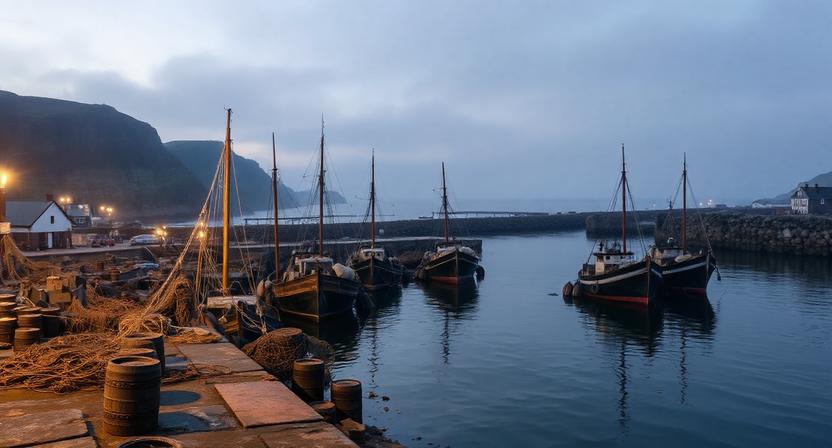
On 5 February 1900, the economic difficulties facing Ireland’s herring-fishing.
Herring Hardship
On 5 February 1900, the economic difficulties facing Ireland’s herring-fishing industry were formally examined in the British Parliament, a subject of great concern for coastal communities from Kerry to Donegal. Once a mainstay of local economies and an important export trade, the herring industry had recently experienced sharp declines due to poor catches, shifting markets, and inadequate investment in infrastructure and preservation.
View Record
On 5 February 1900, the condition and proposed development of.
Dingle Pier
On 5 February 1900, the condition and proposed development of Dingle Pier in County Kerry were formally discussed in the British Parliament, drawing attention to the challenges and opportunities facing Ireland’s coastal infrastructure. The debate was prompted by concerns from local residents and business interests about the pier’s deteriorating state and its capacity to serve the needs of fishing fleets, cargo vessels, and passenger steamers.
View Record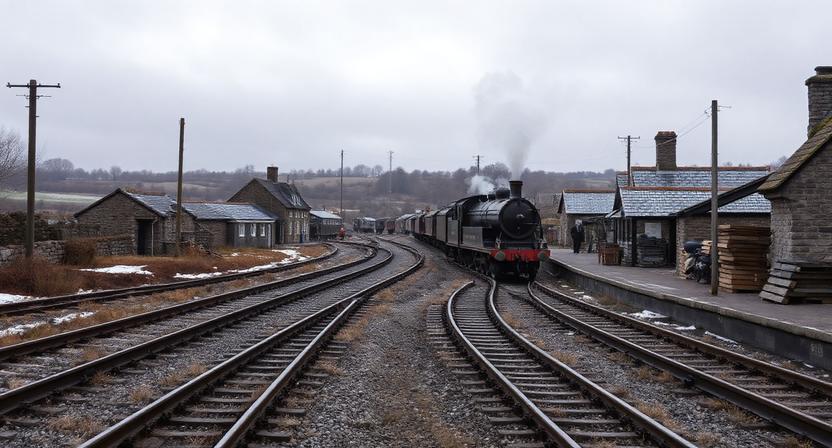
On 5 February 1900, a dispute involving the Waterford and.
Railway Dispute
On 5 February 1900, a dispute involving the Waterford and Limerick Railway was formally raised in the British Parliament, highlighting ongoing challenges in Ireland’s expanding railway network at the turn of the century. The Waterford and Limerick Railway, a vital link for trade and travel across the south and west of Ireland, had been experiencing tensions relating to management, labour relations, and service disruptions. The parliamentary intervention was reported in both local and national newspapers, drawing interest from merchants, travellers, and civic leaders in Limerick.
View Record
On 5 February 1900, the removal of works of art.
Museum Art
On 5 February 1900, the removal of works of art from the Dublin Museum became the subject of pointed questioning in the British Parliament, a matter that stirred debate among Ireland’s cultural and academic communities. News of the controversy was widely reported in Dublin and beyond, including in Limerick, where interest in the preservation of the nation’s heritage was strong among local antiquarians, educators, and civic leaders.
View Record
On 5 February 1900, postal arrangements and services at Enniscorthy.
Postal Services
On 5 February 1900, postal arrangements and services at Enniscorthy, County Wexford, were formally questioned in the British Parliament, drawing attention to the challenges facing rural and provincial communities in Ireland at the turn of the century. Enniscorthy’s residents, businesses, and civic leaders had expressed concerns about the efficiency, reliability, and accessibility of postal services, issues that had implications for communication, commerce, and social life throughout the region.
View Record