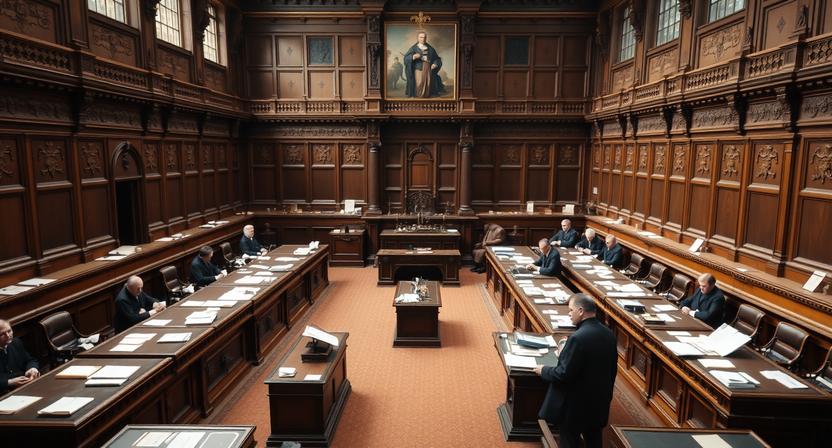
On 9 February 1900, Parliament witnessed a major debate over.
Taxation Debate
On 9 February 1900, Parliament witnessed a major debate over nationalist claims that Ireland was carrying an excessive share of United Kingdom taxation. Irish representatives argued that the country’s fiscal contributions far outweighed the benefits received, exacerbating economic hardship and fuelling discontent among the population. The issue had become a rallying point for Irish nationalists, who contended that unfair tax policies hindered development and deepened poverty across rural and urban communities.
View Record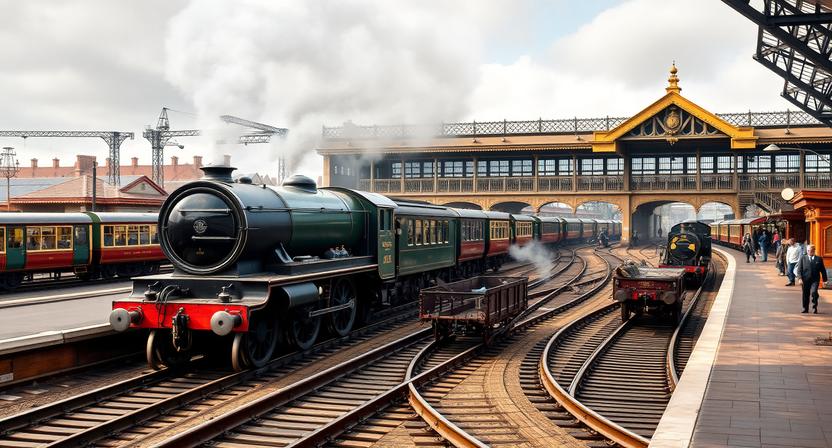
On 9 February 1900, Parliament formally considered the Great Northern.
GNRI Bill
On 9 February 1900, Parliament formally considered the Great Northern Railway of Ireland Bill, a pivotal measure affecting one of the country’s largest and most important rail networks. The Bill sought to authorise new construction, upgrades to existing lines, and clarify the company’s legal powers, reflecting the continued expansion and modernisation of rail transport in Ireland.
View Record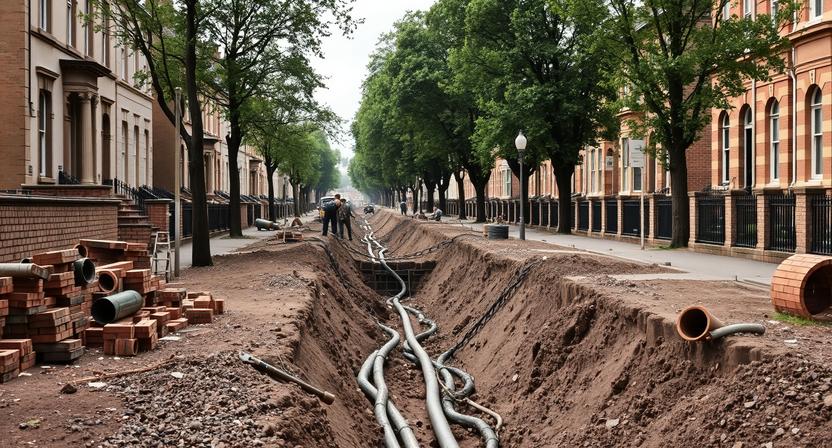
On 9 February 1900, legislation promoted by the Clontarf Urban.
Clontarf Bill
On 9 February 1900, legislation promoted by the Clontarf Urban District Council was formally considered in Parliament. The Clontarf Urban District Council Bill sought to empower the council to improve local infrastructure and public health measures in the rapidly growing suburb north of Dublin. Provisions included the authority to upgrade water supply, extend drainage and sewerage systems, improve roadways, and regulate new building developments.
View Record
On 9 February 1900, the proposed Bray and Enniskerry Railway.
Railway Progress
On 9 February 1900, the proposed Bray and Enniskerry Railway advanced through its parliamentary proceedings, bringing the prospect of a new transport link between the seaside town of Bray and the picturesque village of Enniskerry in County Wicklow a step closer to reality. The Bill sought approval for the construction of the line, which would traverse challenging countryside and provide both locals and tourists with improved access to the scenic Wicklow landscape.
View Record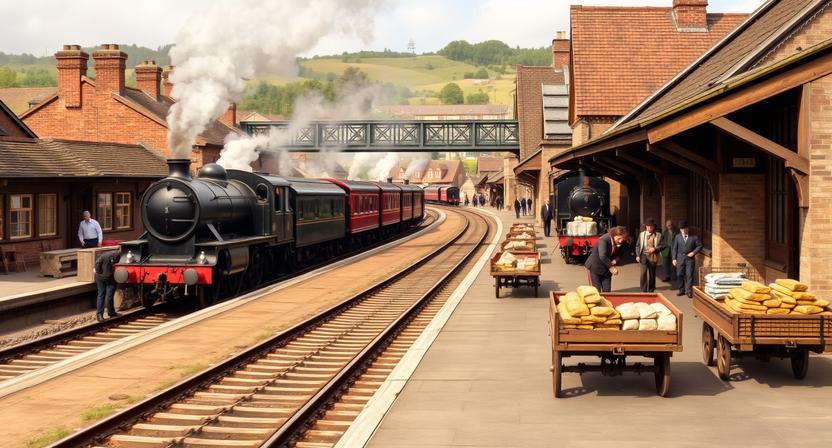
On 9 February 1900, the Belfast and County Down Railway.
Railway Bill
On 9 February 1900, the Belfast and County Down Railway Bill was formally considered in Parliament, marking a key stage in the legislative process for expanding and regulating one of Ulster’s most vital rail networks. The Bill aimed to authorise new works, improve existing lines, and clarify the powers and duties of the railway company, reflecting the growing demand for reliable transport between Belfast, Bangor, Downpatrick, and surrounding towns.
View Record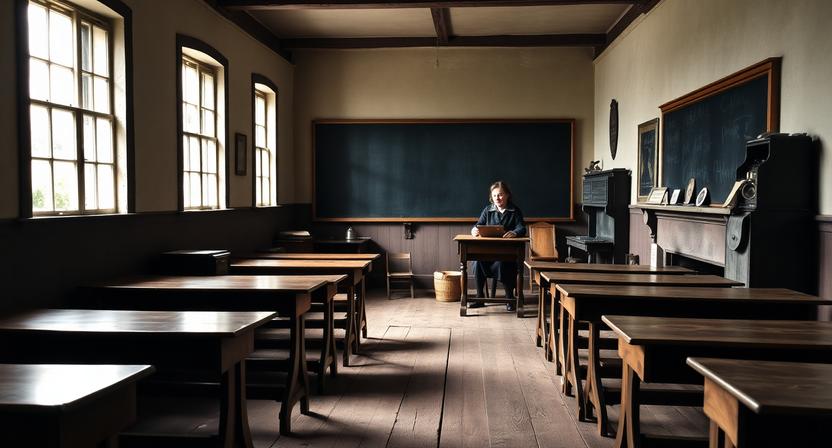
On 8 February 1900, the employment, salaries, and treatment of.
Teacher Conditions
On 8 February 1900, the employment, salaries, and treatment of Irish national-school teachers were raised in Parliament, highlighting the struggles and dedication of educators across the country. Representatives drew attention to low pay, insecure employment, and lack of adequate resources for teachers who served as the backbone of rural and urban education in Ireland.
View Record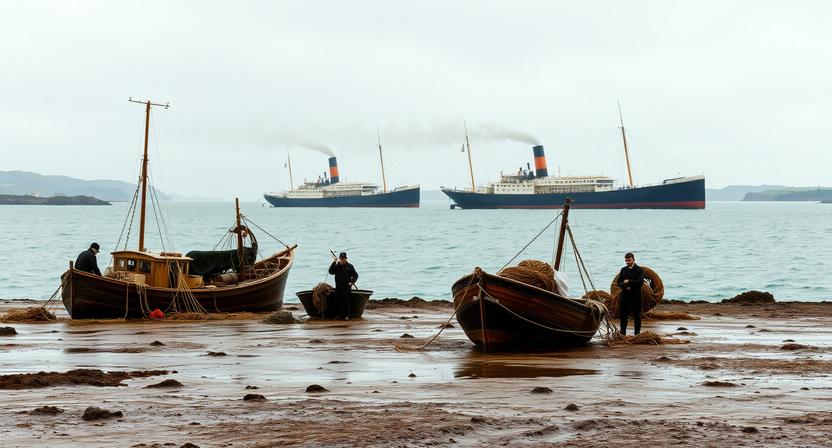
On 8 February 1900, the practice of steam trawling in.
Trawling Criticism
On 8 February 1900, the practice of steam trawling in Wexford Bay was sharply criticised in Parliament, with local fishermen and their advocates voicing concern over its damaging effects on traditional livelihoods. The introduction of steam-powered trawlers had revolutionised fishing along the Irish coast, but many small-scale fishermen complained that these vessels indiscriminately swept up fish stocks, destroyed spawning grounds, and left little for those using more sustainable methods.
View Record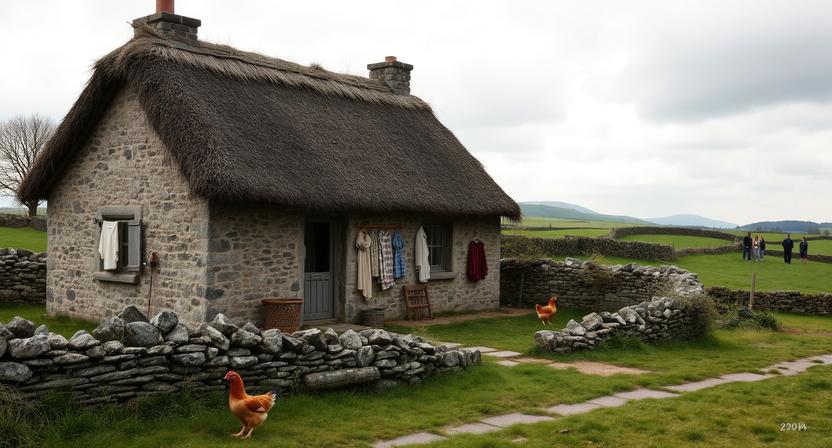
On 8 February 1900, the practice of boarding out pauper.
Child Boarding
On 8 February 1900, the practice of boarding out pauper children with foster nurses outside Irish workhouses—known as “out-nursing”—was discussed in Parliament. This issue was of critical importance to social reformers and Poor Law guardians, who debated whether the system provided a healthier, more humane alternative to institutional care, or risked exposing vulnerable children to neglect and exploitation.
View Record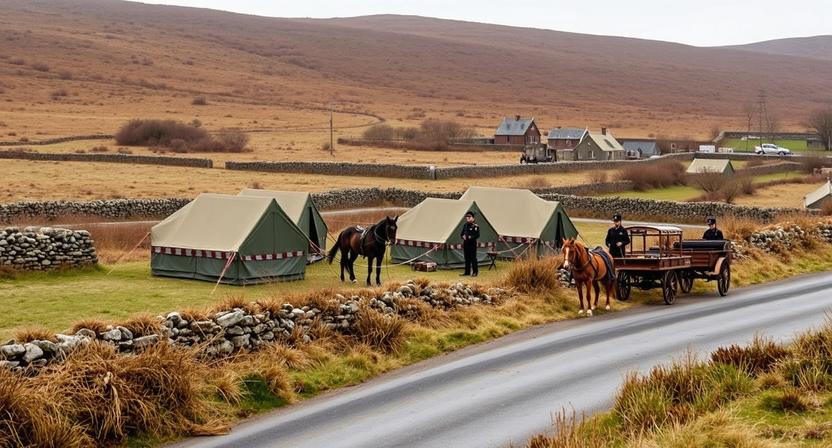
On 8 February 1900, the continued employment of additional police.
Police Presence
On 8 February 1900, the continued employment of additional police in County Kerry was challenged in Parliament, highlighting tensions between authorities and local communities in the region. The deployment of extra police—often associated with periods of agrarian agitation, rent disputes, or social unrest—was criticised by Irish representatives, who argued that such measures were expensive, disruptive, and contributed to an atmosphere of mistrust.
View Record
On 8 February 1900, the conditions endured by tenants on.
Estate Hardship
On 8 February 1900, the conditions endured by tenants on the Ogilby estate in County Tyrone were examined in Parliament, reflecting ongoing national concerns about land tenure and rural poverty. Parliamentary discussion focused on allegations of excessive rents, poor housing, insecure tenure, and the lack of investment in tenant holdings. Representatives highlighted specific complaints from Ogilby estate tenants, who faced the threat of eviction and struggled to make a living from small, often marginal plots of land.
View Record