
Ulster Emigration
Archived: 13 October 2026
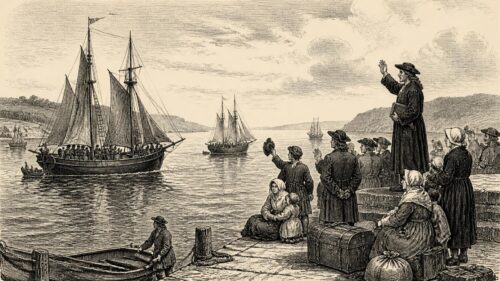
In 1718, Ireland’s significant developments centred on migration, religion and voluntary institutions rather than rebellion. Five vessels carried Presbyterian emigrants from Ulster to Boston, beginning a durable Atlantic movement driven by tenancy insecurity, economic pressures, religious disabilities and colonial opportunity. Ireland’s Protestant ruling order continued to disadvantage Catholics and dissenters, while Sherlock v Annesley highlighted contested Irish autonomy. Six surgeons founded Dublin’s Cook Street infirmary for injured poor, precursor to Jervis Street Hospital. A Ballybough cemetery lease recorded Jewish life. Church appointments and Catholic diocesan administration demonstrated competing authorities, while Thomas Parnell’s death connected Irish culture with British literary networks.