
Archived: 26 September 2026
Abstract
In 2000, Northern Ireland’s new power-sharing Executive was suspended over IRA decommissioning, then restored after commitments and arms inspections, though no weapons were destroyed. Saville’s Bloody Sunday hearings began, while policing reform advanced through the Police (Northern Ireland) Act. In the Republic, Celtic Tiger growth brought low unemployment, inflation and infrastructure pressures, prompting the National Development Plan and Science Foundation Ireland. A national minimum wage, equal-status protections, human-rights legislation and child-abuse inquiry strengthened social accountability. Clinton visited Dundalk supporting peace. Sporting finals sustained shared rituals, but fragile devolution and unresolved arms left the peace process dependent on continuing international reassurance.
Read Article

Archived: 14 October 2026
Abstract
In 1689, deposed James II made Ireland the central theatre of his struggle against William of Orange, supported by Tyrconnell, Catholics and French aid. While Jacobite forces advanced, Protestant resistance at Derry and Enniskillen endured. James’s Dublin parliament funded war, asserted Irish legislative independence, repealed land settlements and passed an extensive Act of Attainder, alongside liberty of conscience. Naval relief ended Derry’s 105-day siege, while Enniskillen’s victory at Newtownbutler weakened Jacobite control in Ulster. Schomberg’s multinational Williamite army landed in August, but its autumn camp at Dundalk suffered devastating disease, exposure and supply failures, leaving the war unresolved that winter.
Read Article
Archived: 14 October 2026
Abstract
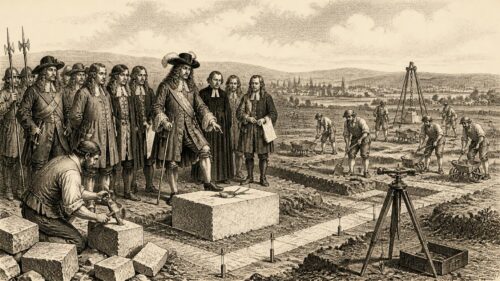
In 1680, Popish Plot fears shaped Irish government despite no rebellion. Ormond sought English approval for proposed legislation, including measures against Catholic clergy, but no parliament met. He laid the foundation stone of the Royal Hospital at Kilmainham, a home for retired soldiers. At Dundalk, the prosecution of Archbishop Oliver Plunkett collapsed when witnesses failed to appear; he was nevertheless sent to London, while Archbishop Peter Talbot died untried in Dublin prison. Gaelic learning endured through the copying of Leabhar Cloinne Aodha Buidhe in Antrim. Borlase’s history of 1641 reinforced Protestant fears, demonstrating how memory, coercion and institutions governed Ireland.
Read Article
Archived: 17 October 2026
Abstract
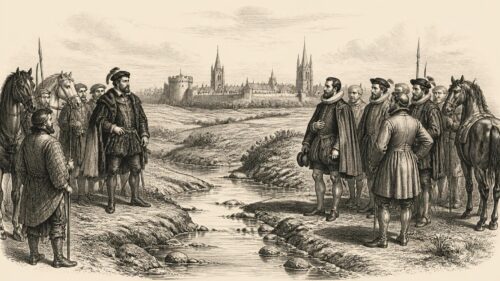
In 1597, Ireland’s war exposed the Tudor administration’s logistical and military weakness while Hugh O’Neill’s confederacy extended its influence. A gunpowder explosion in Dublin killed 126 people, damaged the capital’s supply system, and highlighted insecure wartime labour and logistics. The Crown killed Fiach MacHugh O’Byrne in Glenmalure, weakening but not pacifying Leinster. Hugh Roe O’Donnell raided Connacht, reaching Athenry and Galway. Lord Burgh’s Ulster offensive failed to unite royal forces, although Blackwater Fort was re-established; his death worsened the crisis. Irish victories near Carrickfergus and Daingean compelled talks outside Dundalk. O’Neill accepted a two-month cessation, gaining recognition without surrendering authority.
Read Article




