Archived: 16 October 2026
Abstract
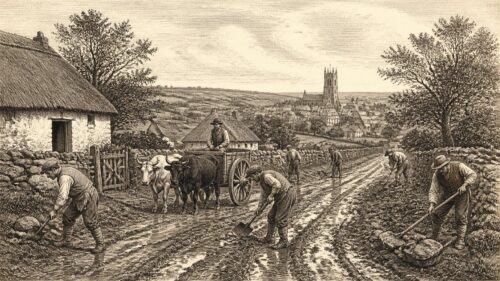
In 1614, James I’s government consolidated authority in Ireland through parliamentary management, anti-Catholic proclamations, trade regulation and parish responsibility for roads. Catholic representatives were rebuffed over the 1613 parliament’s new boroughs and religious exclusions, while priests and Jesuits faced expulsion orders. Yet Catholic organisation persisted: the Kilkenny synod reinforced Tridentine discipline and pastoral provision. Ulster Plantation reached a financial milestone when undertakers’ rents became due, accelerating changes in landholding, settlement and power. Deaths of William Bathe, Bonaventure O’Hussey and Thomas Butler, tenth earl of Ormond, highlighted transnational Catholic culture, Gaelic learning and the importance of aristocratic inheritance amid deepening divisions.
Read Article
Archived: 20 October 2026
Abstract
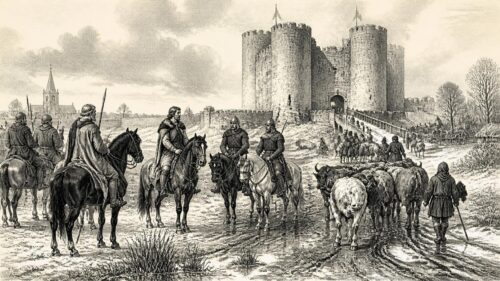
In 1425, Edmund Mortimer, the king’s lieutenant and earl of March and Ulster, died suddenly at Trim while pursuing agreements with northern Gaelic lords. His death undermined a fragile settlement, followed by arrests of visitors and worsening Ulster conflict. James Butler, earl of Ormond, became lieutenant and negotiated written alliances with the Meic Mathghamhna and Éoghan Ó Néill. In Connacht, Toirrdelbach Ruad Ó Conchobair died and Cathal, son of Ruaidrí, succeeded amid violence. Brian Ballach Mac Uí Néill Buidhe was killed at Carrickfergus. Severe winter weather devastated cattle, crops and people, while records showed religious and learned life across Ireland.
Read Article
Archived: 20 October 2026
Abstract
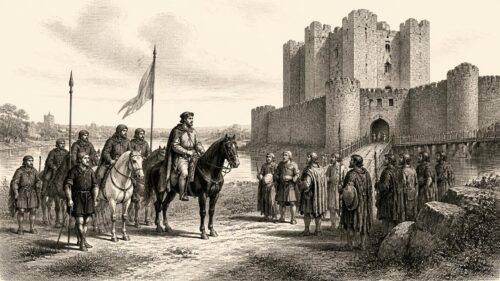
In 1424, Ireland’s political map was defined less by a single national struggle than by a series of overlapping lordships, rival dynasties and negotiated allegiances. The English crown governed most directly from Dublin and its surrounding lordship, but royal office depended upon the cooperation of magnates whose power reached well beyond the formal limits of crown administration. Gaelic rulers, Hiberno-Irish dynasties and English settlers all made and remade local political worlds through warfare, tribute, marriage, submission and the possession of castles. The year is especially notable for the arrival in Ireland of Edmund Mortimer, earl of March and Ulster, as
Read Article




