
Archived: 16 October 2026
Abstract
In 1639, Thomas Wentworth’s Dublin administration treated Ulster’s Scottish settlers as a security threat amid the Covenanters’ revolt. Commissioners imposed a compulsory loyalty oath, later called the Black Oath, requiring Scots to reject unauthorised covenants; 1,500 troops enforced compliance. Although no uprising occurred, departures, religious division and distrust deepened. Ireland also figured in Charles I’s abortive war plans against Scotland, including Randal MacDonnell’s ambitions, but no expedition sailed. Wentworth’s land policies faced resistance in Connacht, while Catholic grievances remained unresolved. Despite political strain, Dublin produced scholarly works by James Ussher and James Ware, revealing a brittle yet culturally active kingdom.
Read Article
Archived: 16 October 2026
Abstract
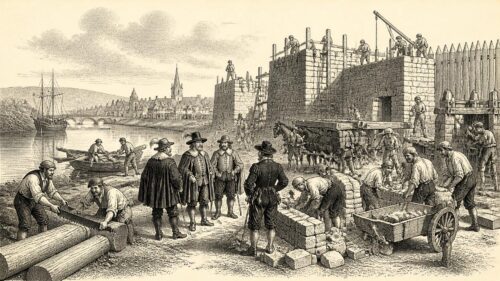
In 1611, Lord Carew’s tour of Ulster assessed the early Plantation, exposing uneven construction and the gulf between Crown plans and local realities. Commissioners inspected routes, settlements and estates, while Coleraine and Derry mobilised labour, timber and fortifications; Dunluce also attracted Scottish settlers. Plantation redistributed land, subordinating Irish proprietors through patents and conditional grants, yet native communities remained central to tenancy and labour. Religious tensions appeared in Bishop John Lynch’s conversion, Patrick O’Loughran’s arrest, and an Irish Catholic devotional book printed at Antwerp. Elsewhere, surrender-and-regrant extended Crown law, while preparations for Parliament revealed disputes over consultation, legislation and royal authority.
Read Article
Archived: 17 October 2026
Abstract
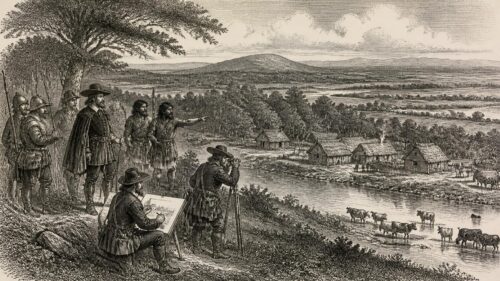
In 1609, following the Flight of the Earls and O’Doherty’s rising, James I’s government surveyed six Ulster counties to prepare their plantation. Sir Josias Bodley’s commissioners recorded townlands, resources, church lands and strategic sites, converting Gaelic territories into proposed estates. The scheme favoured English and Scottish undertakers, servitors and selected Irish proprietors, linking Protestant settlement, fortified building, common law and economic development to security. Most settlers and plantation towns arrived later, while native inhabitants remained but faced mounting insecurity. London was courted for north-western colonisation, Scottish migration encouraged, and soldiers removed. Kilkenny received a city charter, diocesan cathedrals gained status.
Read Article
Archived: 17 October 2026
Abstract
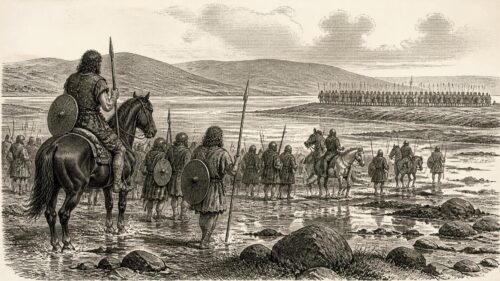
In 1567 Shane O’Neill’s Ulster overlordship collapsed after defeat by the O’Donnells at Farsetmore, where tidal conditions magnified his army’s losses. Seeking support from the MacDonnells, whom he had previously oppressed, Shane was killed during negotiations at Cushendun. His fall liberated rival lordships but did not secure English control: Turlough Luineach O’Neill faced disputed succession, while O’Donnell and MacDonnell power revived. Sir Henry Sidney’s government pursued influence through alliances, garrisons, progresses and infrastructure, yet exposed its limited reach. In Munster, Desmond’s arrest altered regional politics. Administrative and church appointments in Dublin reflected continuing Tudor reform amid uneven authority and instability.
Read Article
Archived: 17 October 2026
Abstract
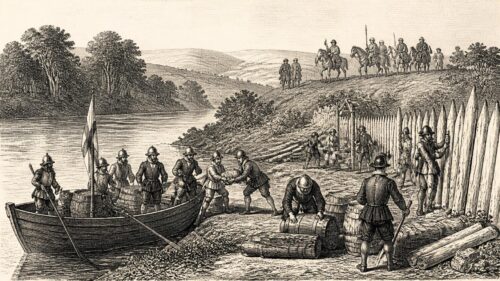
In 1566, conflict between Shane O’Neill and Elizabethan government made Ulster Ireland’s principal political and military crisis. O’Neill sought French aid, managed fraught relations with Scottish MacDonnells, was proclaimed traitor, and burned Armagh’s cathedral, a religious site also militarily contested. Lord Deputy Sir Henry Sidney campaigned through Ulster while Colonel Edward Randolph established a garrison at Derry to pressure O’Neill; Shane’s forces killed Randolph in November, exposing royal weakness. Deaths and successions among O’Donnells and Maguires reshaped regional alliances and prompted renewed raiding. The year demonstrated that crown expeditions, Gaelic lordship, local warfare, logistics, learning and landscape remained inseparably linked.
Read Article
Archived: 18 October 2026
Abstract
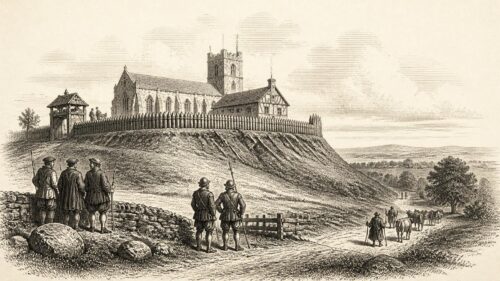
In 1561, Shane O’Neill’s contest with the Dublin administration over authority in Ulster became Ireland’s principal political crisis. After capturing An Calbhach O’Donnell in May, O’Neill disrupted a planned alliance of Ulster and Scottish opponents. Sussex proclaimed him traitor, marched north, and fortified St Patrick’s Cathedral, Armagh, as a royal garrison. O’Neill’s forces besieged the post and inflicted a reverse on crown troops during their July withdrawal. A September expedition to Lough Foyle also failed to establish control. Negotiations followed, leading to O’Neill’s safeguarded journey to England in December. Coinage proclamations and correspondence revealed wider governmental, economic and diplomatic pressures.
Read Article




