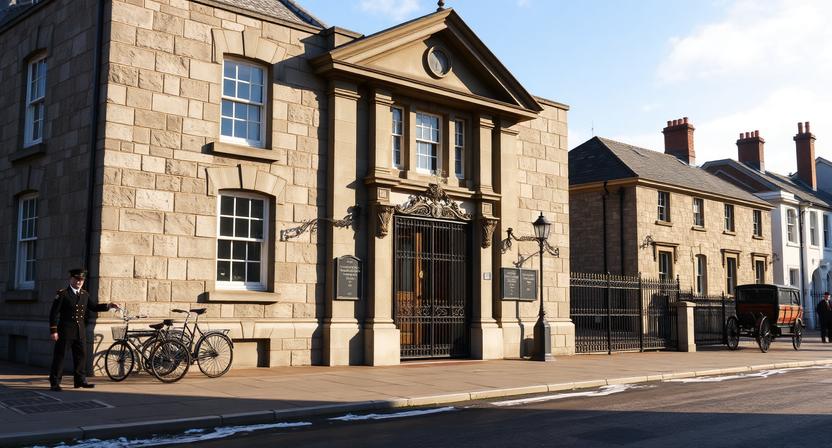
On 6 February 1900, the issuing of licences permitting people.
Arms Licences
On 6 February 1900, the issuing of licences permitting people to carry firearms in Ireland was questioned in Parliament, a topic watched closely in Limerick where concerns about both public order and rural security were prominent. For Limerick’s farmers, merchants, and civic authorities, the regulation of firearm licences held implications for personal safety, local policing, and the prevention of crime in the city and its surrounding countryside.
View Record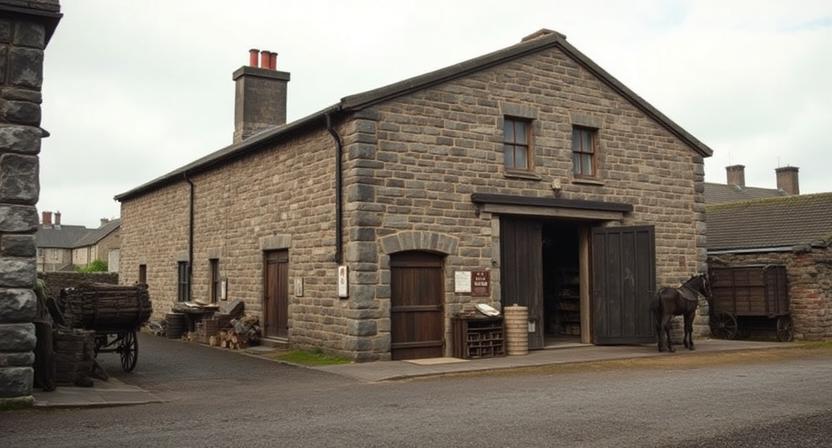
On 6 February 1900, the regulation and sale of explosives.
Explosives Regulation
On 6 February 1900, the regulation and sale of explosives in Ireland came under parliamentary scrutiny, a matter of close interest to Limerick where such materials were essential for industries ranging from quarrying to construction. Limerick’s merchants and contractors watched developments carefully, knowing that any changes could affect both business operations and public safety in the city and surrounding countryside.
View Record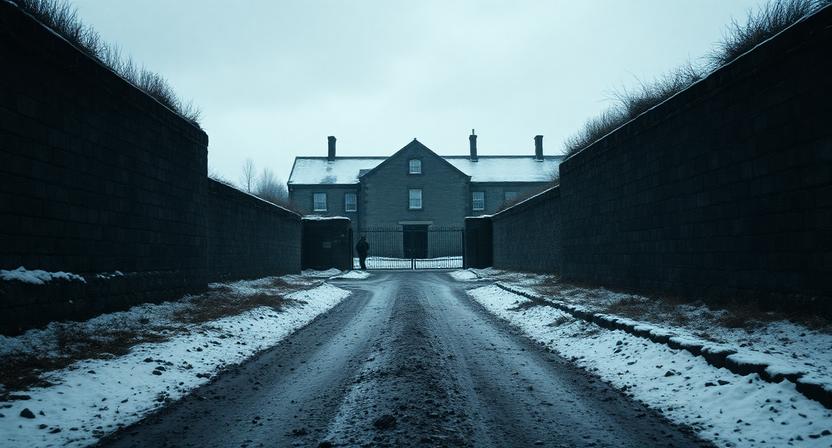
On 6 February 1900, the removal of impoverished people from.
Pauper Removals
On 6 February 1900, the removal of impoverished people from Britain to Ireland under poor-relief regulations was challenged in Parliament, an issue that drew immediate attention in Limerick, where the arrival of such individuals often placed strain on local resources. Limerick’s workhouses and charitable institutions were already struggling to care for the city’s vulnerable population, and any increase in arrivals from Britain raised concerns among civic leaders, ratepayers, and relief administrators.
View Record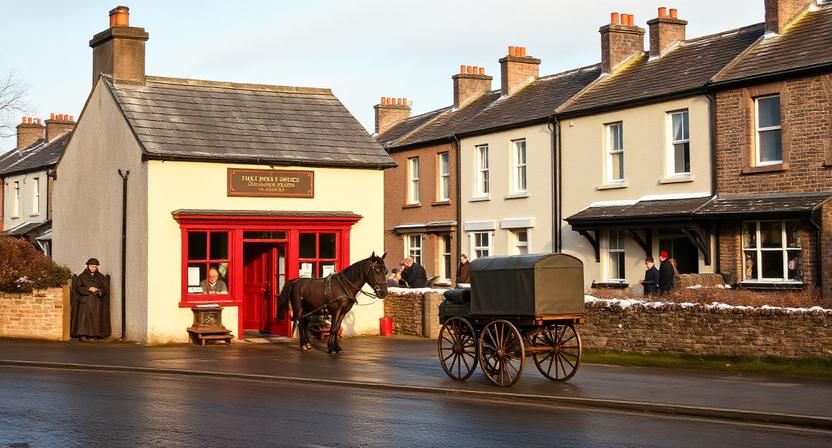
On 6 February 1900, postal arrangements affecting communities in County.
Postal Arrangements
On 6 February 1900, postal arrangements affecting communities in County Kildare were formally examined in Parliament, drawing attention in Limerick where efficient mail routes to and from the east were essential for commerce and communication. Limerick’s business and civic circles closely followed any developments in Kildare, recognizing that disruptions or improvements in postal logistics there could have ripple effects for the city’s own mail delivery and commercial correspondence.
View Record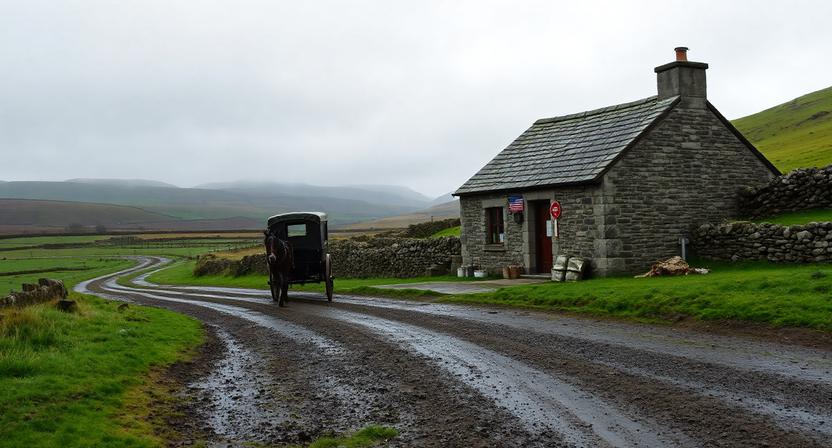
On 6 February 1900, concerns about deficiencies in the postal.
Postal Deficiencies
On 6 February 1900, concerns about deficiencies in the postal service operating in Galway resonated strongly in Limerick, where efficient communication with the west was vital for business, family connections, and civic affairs. Limerick merchants, professionals, and residents often relied on timely postal links to Galway for correspondence, trade, and news, so reports of delays and service lapses quickly became a matter of local interest and frustration.
View Record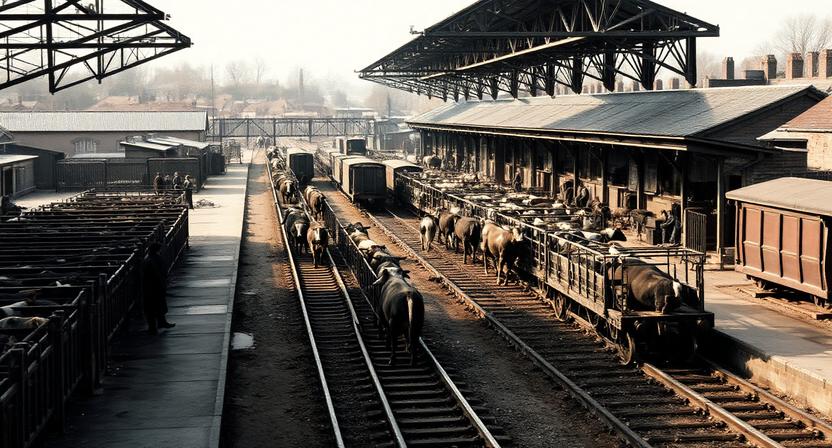
On 6 February 1900, regulations governing the movement of cattle.
Regulations Questioned
On 6 February 1900, regulations governing the movement of cattle through northern Ireland were brought under scrutiny in Parliament, a subject followed closely in Limerick due to the city’s central role in the national cattle trade. Limerick’s markets and railway links made it a hub for livestock moving between regions, and any changes to transit rules in Ulster had a direct bearing on the city’s commercial activity and the fortunes of farmers and traders who depended on seamless distribution routes.
View Record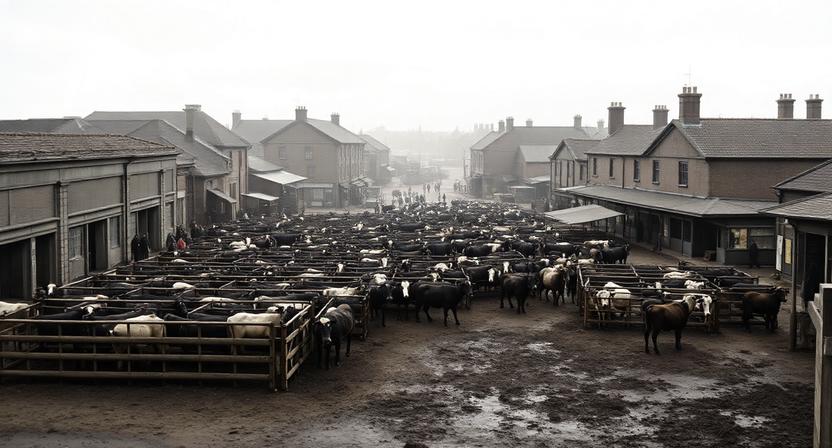
On 6 February 1900, restrictions on importing cattle into Ireland.
Disease Emergency
On 6 February 1900, restrictions on importing cattle into Ireland due to the foot-and-mouth disease emergency became a pressing topic in Parliament, with particular resonance in Limerick—a city deeply linked to Ireland’s agricultural trade. Limerick’s livestock markets and meat-processing industries depended heavily on the steady movement of cattle, and any limitations threatened both local economies and the livelihoods of farmers throughout the region. The city’s newspapers and agricultural societies keenly tracked government announcements, voicing concern about the impact of prolonged restrictions on trade, prices, and food supply.
View Record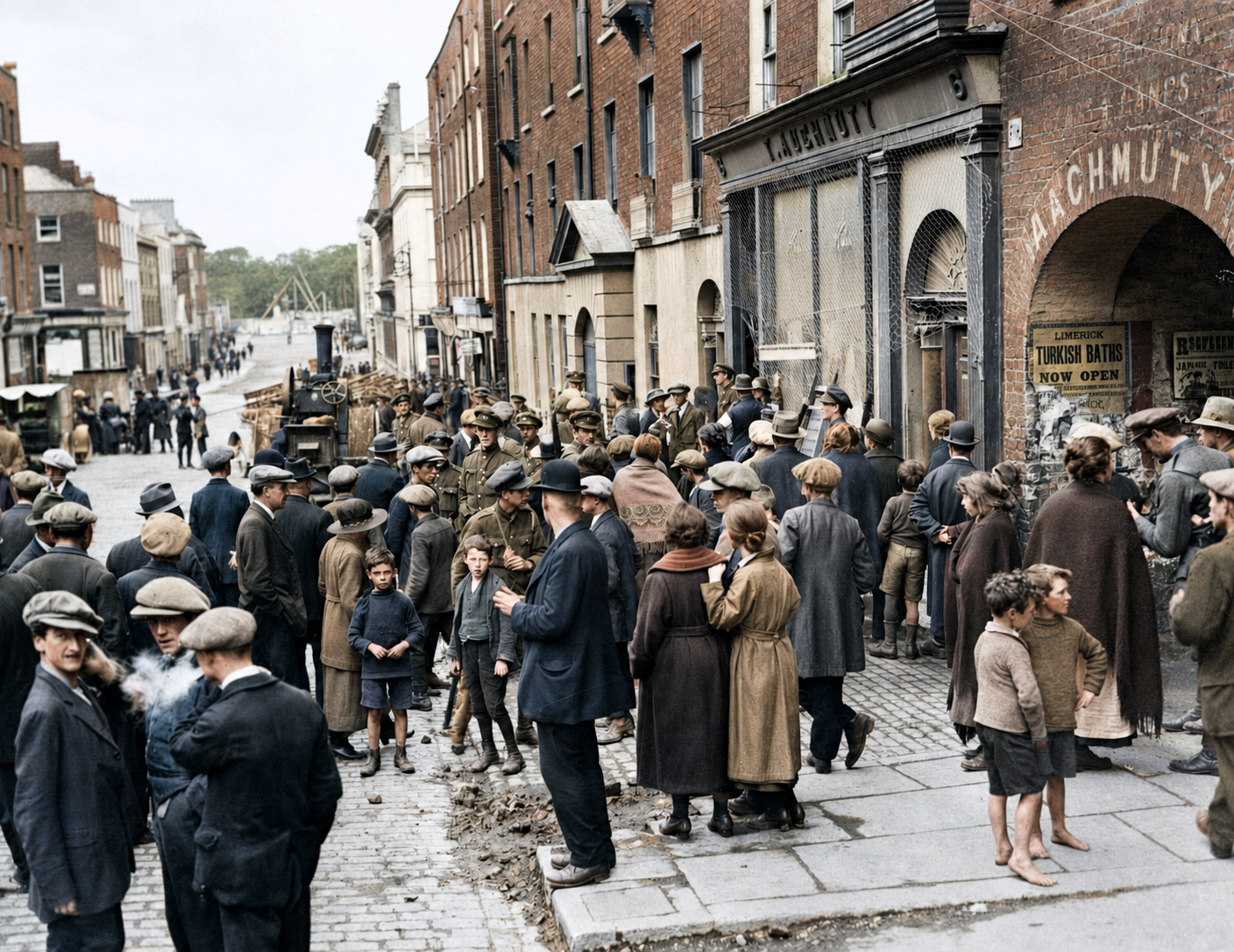
During the Irish Civil War, armoured cars operated by Republican.
Irish Civil
During the Irish Civil War, armoured cars operated by Republican forces patrol a Limerick street as civilians watch cautiously from the roadside. The arrival of troops has created a tense and uncertain atmosphere, with local people anxious to avoid any action that might provoke violence or heavy bloodshed. The vehicles move through the city as a visible display of military control, while horse-drawn transport and early motor traffic share the roadway. This striking scene records the growing presence of armed forces in Limerick and the apprehension felt by residents as conflict reached the streets and disrupted ordinary daily urban life.
View Record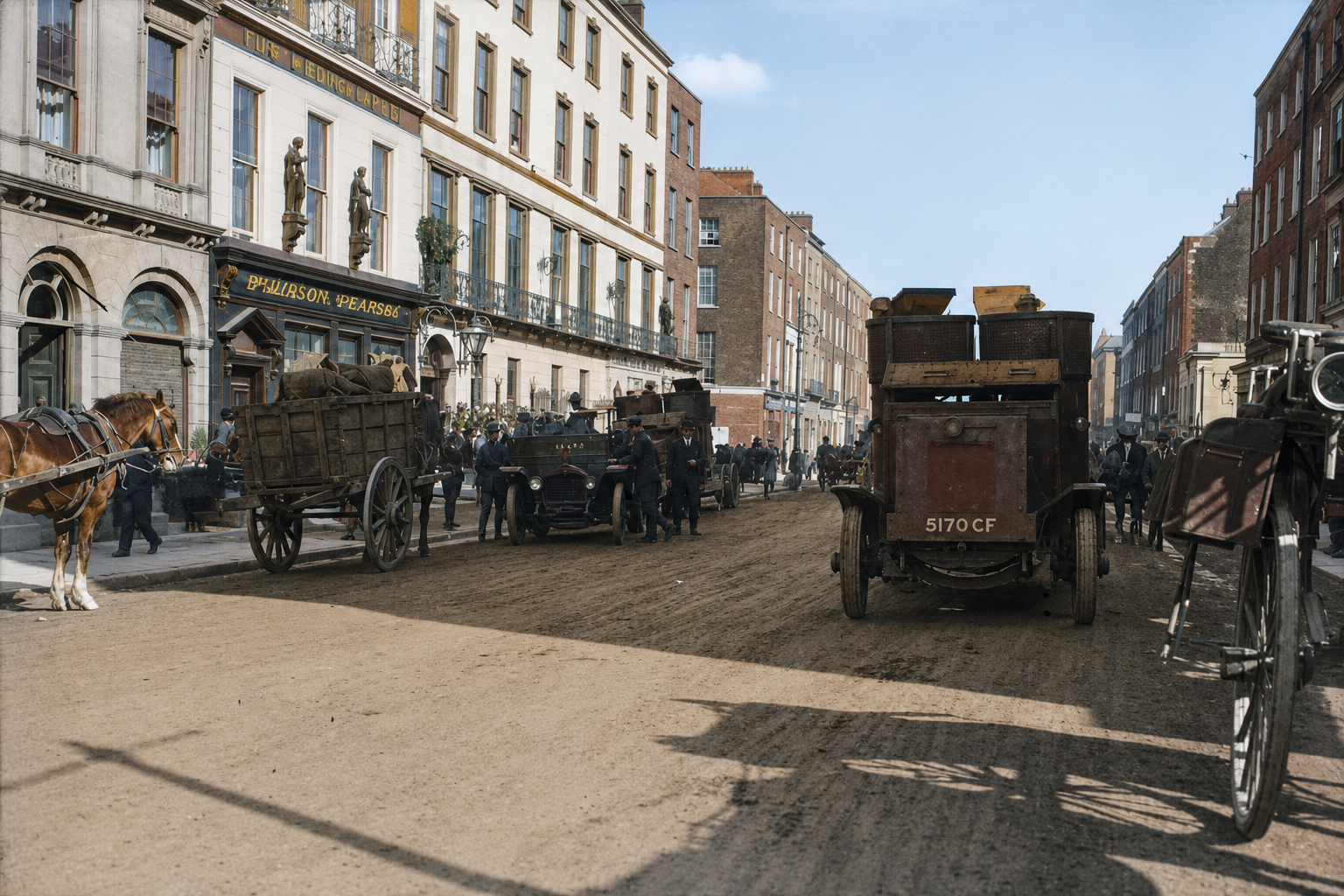
During the Irish Civil War, armoured cars operated by Republican.
Irish Civil
During the Irish Civil War, armoured cars operated by Republican forces patrol a Limerick street as civilians watch cautiously from the roadside. The arrival of troops has created a tense and uncertain atmosphere, with local people anxious to avoid any action that might provoke violence or heavy bloodshed. The vehicles move through the city as a visible display of military control, while horse-drawn transport and early motor traffic share the roadway. This striking scene records the growing presence of armed forces in Limerick and the apprehension felt by residents as conflict reached the streets and disrupted ordinary daily urban life.
View Record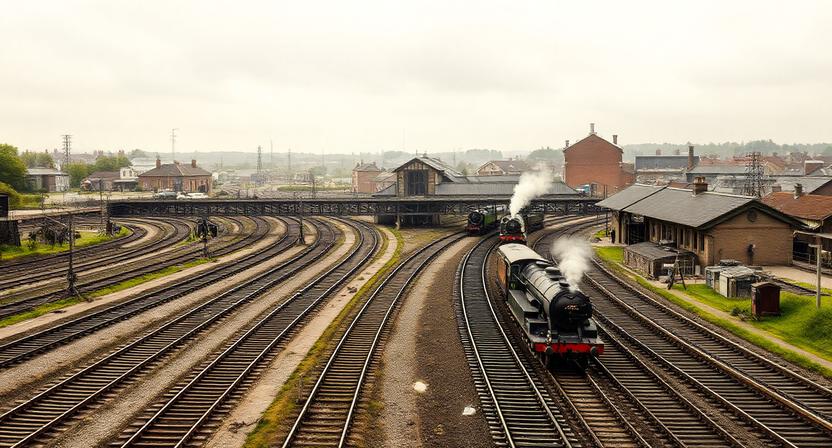
On 6 February 1900, the proposed amalgamation of the Great.
Railway Amalgamation
On 6 February 1900, the proposed amalgamation of the Great Southern and Western Railway with the Waterford, Limerick and Western Railway was raised in Parliament, an issue of immediate interest to the people of Limerick. The city served as a strategic hub for both railway companies, and the potential merger sparked widespread discussion among Limerick’s business leaders, merchants, and everyday travellers who relied on efficient rail connections for commerce and communication. Many in Limerick saw the proposal as a double-edged sword: it promised improved connectivity and investment but raised concerns about local influence and job security.
View Record