
Articles
Explore carefully researched articles about the people, places, events and everyday experiences that shaped Limerick city and county. The collection brings together local histories, biographies, restored newspaper stories and accounts drawn from across the centuries. The archive presents five randomly ordered articles per page. When the same featured image has been used more than once, only the newest published article using that image is included, preventing older duplicate occurrences from appearing in the Articles results. Whether researching family history, studying a particular period, revisiting a familiar neighbourhood or discovering an overlooked event, every article remains freely available for personal discovery, education and historical research.
Reunion Negotiations
John Redmond’s Parnellite followers opened formal communications with their former anti-Parnellite opponents as pressure intensified to repair the divisions created by the fall of Charles Stewart Parnell. Since the parliamentary split of 1890, Irish constitutional nationalism had broken into competing groups whose leaders differed over authority, organisation and political strategy. Redmond led the principal Parnellite body, John Dillon commanded much of the anti-Parnellite majority, and Timothy Healy exercised influence through a separate following. Years of rivalry had weakened nationalist discipline at Westminster and frustrated supporters who believed that factional quarrels were obstructing Home Rule and land reform.
Read Article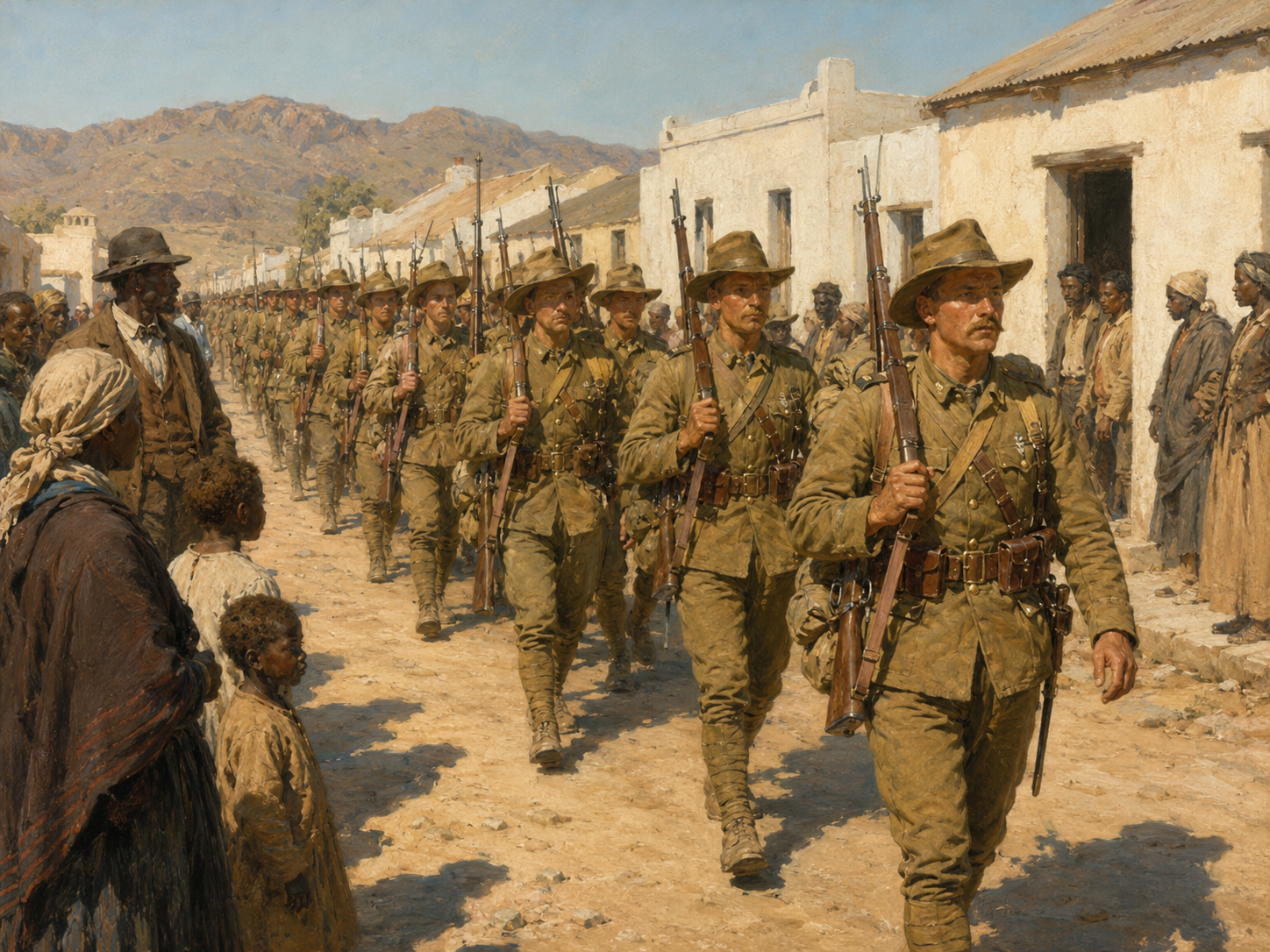
Summit Disaster
For Limerick, whose city and county belonged to the recruiting region of the Royal Munster Fusiliers, reports from Spion Kop carried immediate human significance even though that regiment did not fight upon the summit. During the night of 23–24 January 1900, British troops commanded by Major-General Edward Woodgate climbed the steep hill in Natal as part of Sir Redvers Buller’s renewed attempt to relieve besieged Ladysmith. The attackers surprised a Boer outpost and secured part of the summit before dawn, but mist and darkness concealed the true shape of the ground and the stronger positions lying beyond them.
Read Article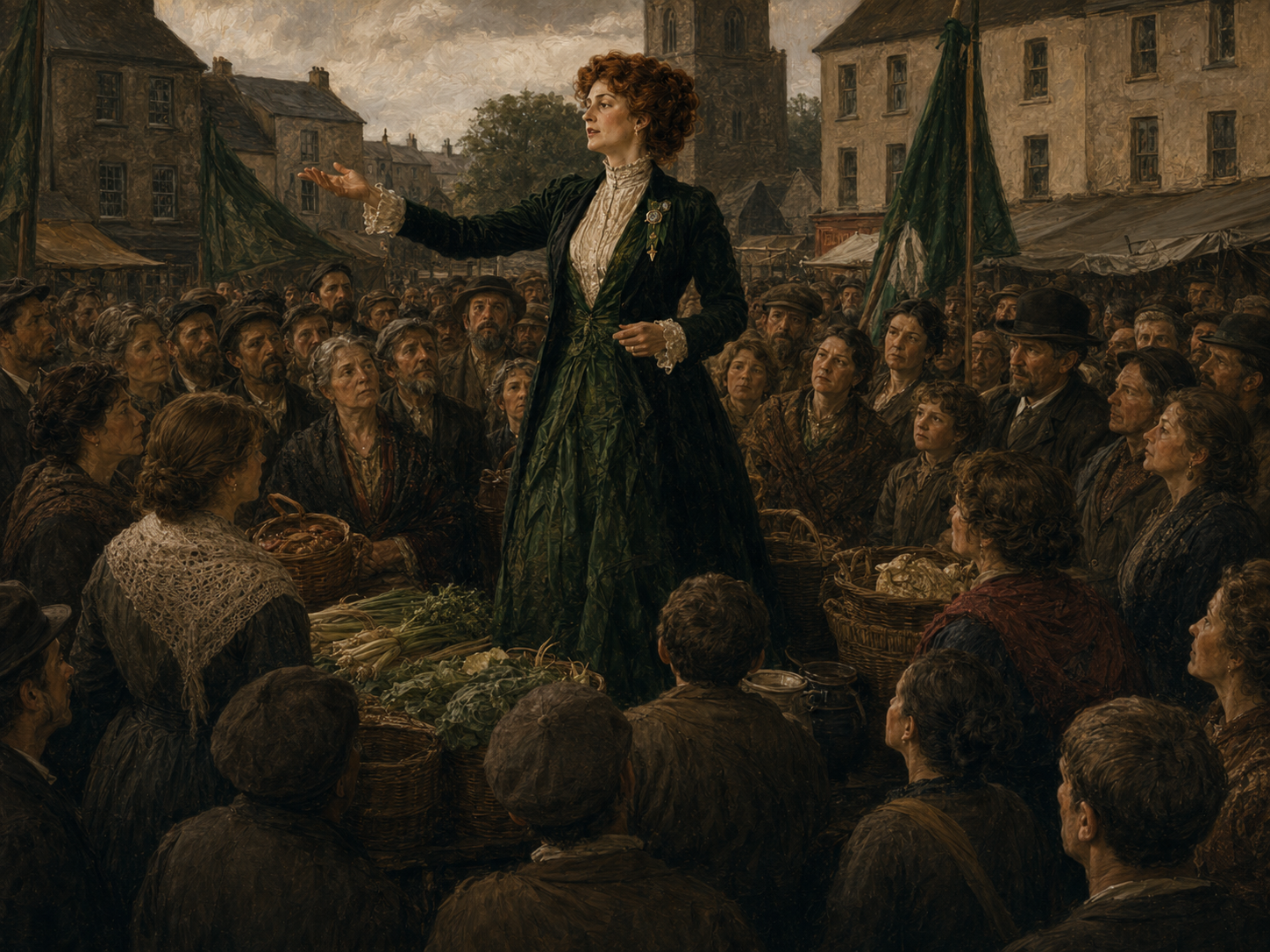
Royal Dublin
Queen Victoria arrived in Ireland today for what will become the final Irish visit of her long reign. The royal programme is centred principally upon Dublin, where streets, public buildings, railway approaches and the route towards the Viceregal Lodge have been extensively decorated. Crowds gathered at Kingstown and throughout the capital to witness the arrival and procession. Although Limerick is not included prominently in the itinerary, reports of the ceremonies are being followed closely throughout the city and county by…
Read Article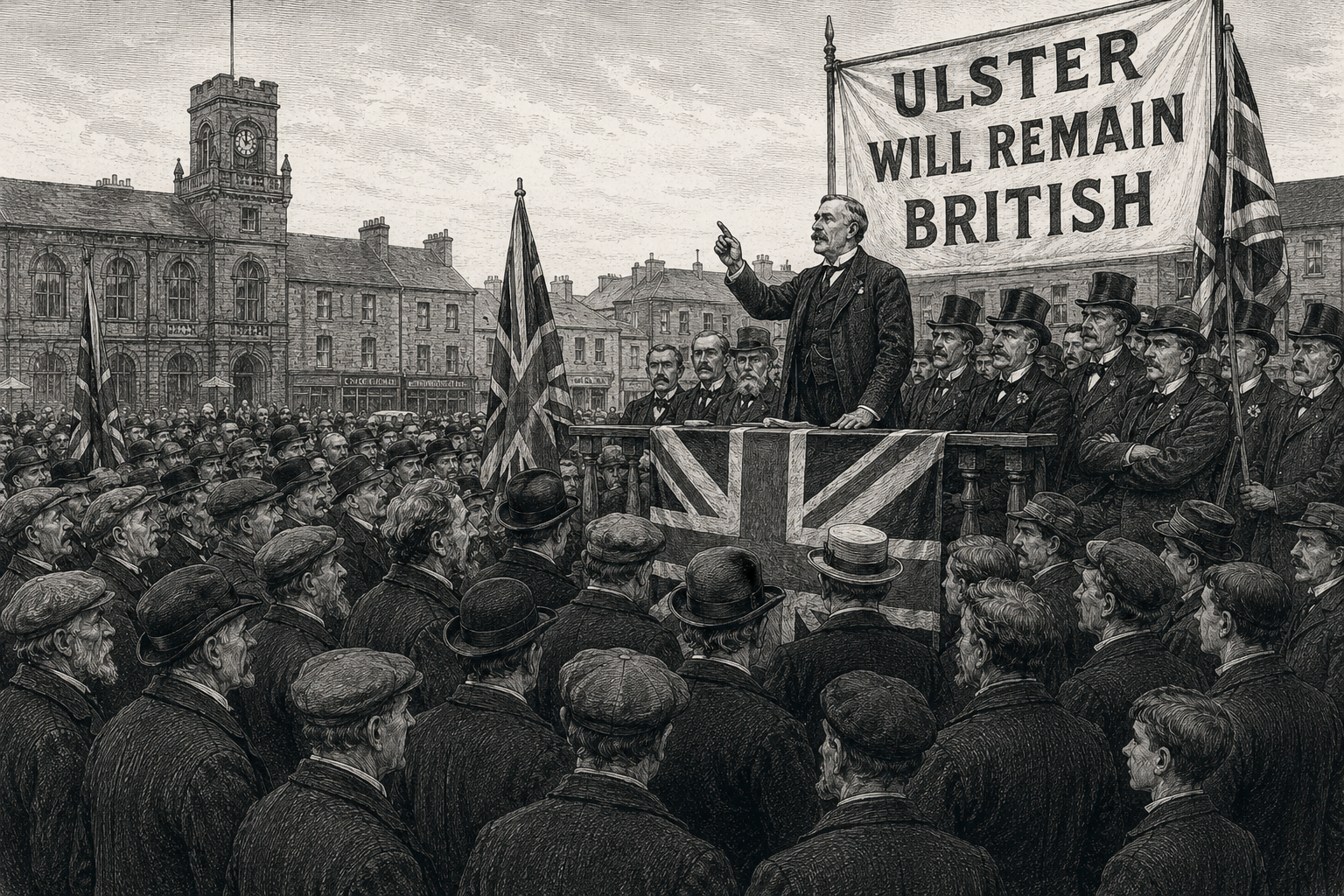
Ulster Divide
The general election has confirmed a widening political division between nationalist Ireland and the unionist strongholds of north-eastern Ulster. While the reunited Irish Parliamentary Party has secured overwhelming representation across most of the country, Unionist candidates have retained their commanding position in Belfast, Antrim, Down, northern Armagh and neighbouring districts. The result will be closely studied in Limerick, where Home Rule supporters regard an Irish legislature as the principal national demand. Unionist resistance in Ulster, however, demonstrates that constitutional settlement…
Read Article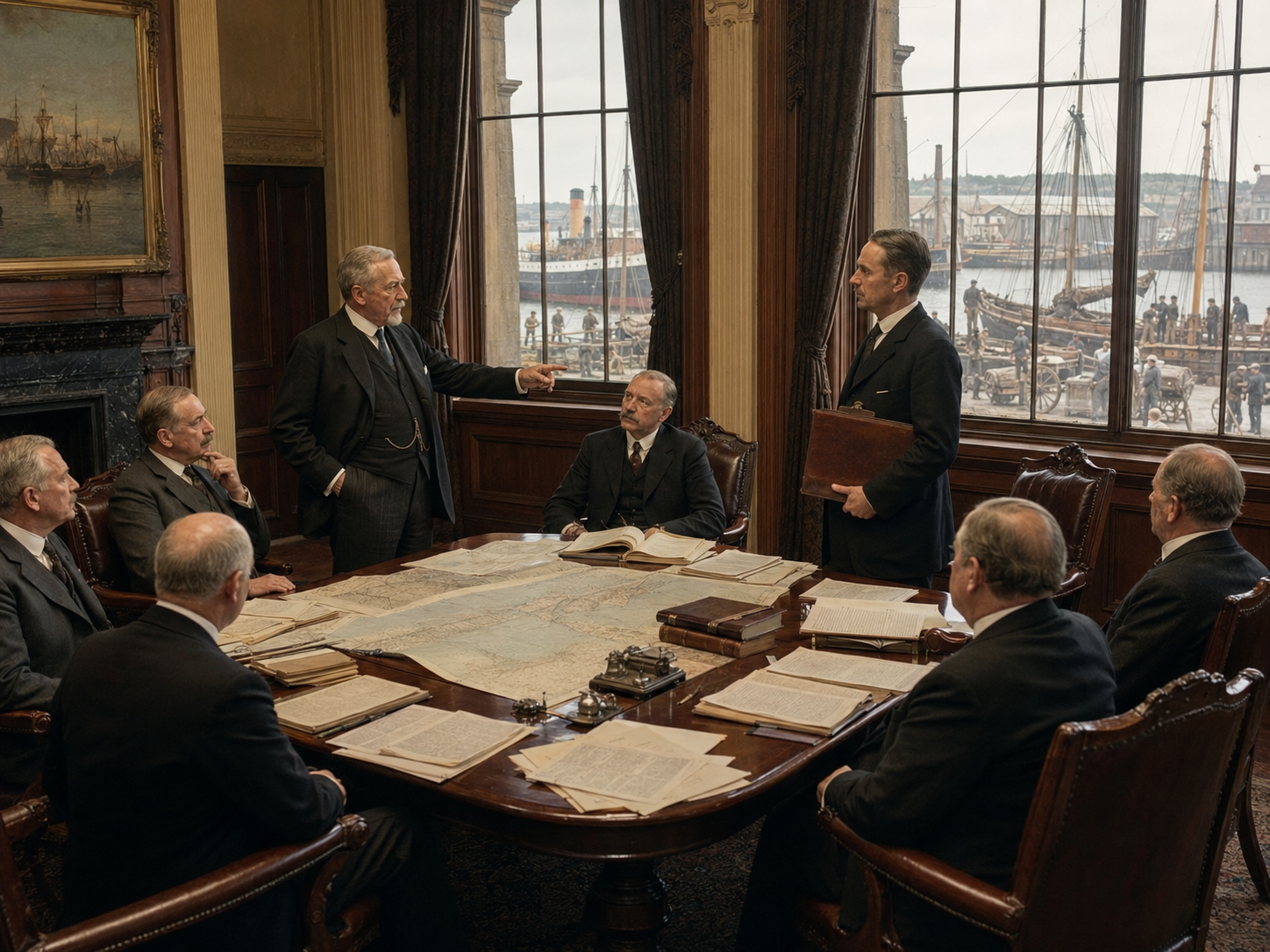
Legal Resistance
Limerick Harbour Commissioners instructed the Dublin solicitor George Fottrell to organise formal opposition to renewed proposals for railway amalgamation. The decision, reported on 2 January 1900, also authorised him to retain an experienced King’s Counsel to represent the harbour authority during the expected parliamentary struggle. Commissioners had resisted a similar scheme during the previous year and regarded its revival as a direct threat to the commercial independence of Limerick. By securing legal expertise at an early stage, they ensured that the port’s objections would be supported by evidence, parliamentary procedure and professional advocacy rather than confined to local resolutions.
Read Article