Explosives Regulation
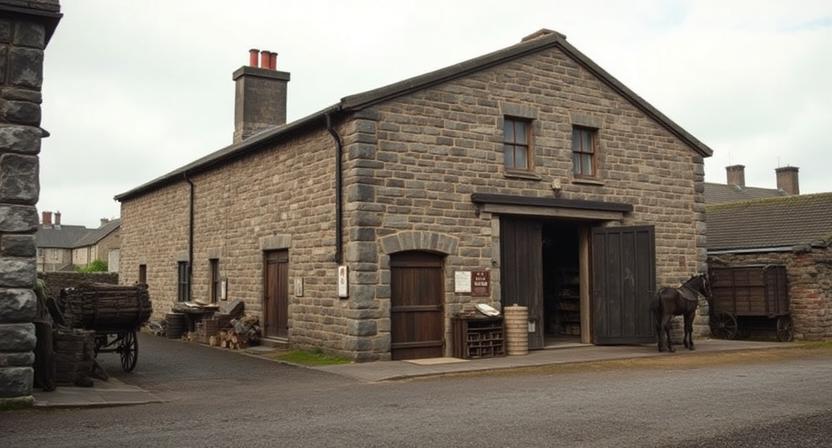
On 6 February 1900, the regulation and sale of explosives in Ireland came under parliamentary scrutiny, a matter of close interest to Limerick where such materials were essential for industries ranging from quarrying to construction. Limerick’s merchants and contractors watched developments carefully, knowing that any changes could affect both business operations and public safety in the city and surrounding countryside.
The parliamentary discussion highlighted concerns about the adequacy of licensing, inspection, and record-keeping procedures for the sale and storage of explosives. Members raised questions about the potential for accidents, misuse, and insufficient oversight, especially in urban centres like Limerick where explosive materials were stored near populated areas. Government officials defended current regulations but acknowledged the need for periodic review and improvements, promising to consider additional safeguards and stricter enforcement.
In Limerick, local newspapers reported on the debate, publishing commentary from business owners and city officials who wanted clear, practical rules that balanced commercial needs with community protection. There was also public interest in how new regulations might impact prices or access for legitimate industries. Calls grew for more transparent reporting and routine inspections to reassure citizens about safety standards.
The examination of explosives regulation in February 1900 underscored Limerick’s dual role as an industrial hub and a community concerned for public welfare, highlighting the ongoing challenge of managing risk in a rapidly modernizing Ireland.
- UK Parliament, Hansard, HC Deb 6 February 1900, “Sale of Explosives in Ireland.”
- Freeman’s Journal (Dublin), 7 February 1900, coverage of the regulation debate.
- Irish Times, 7 February 1900, reports on industry reactions and safety concerns.
- Limerick Leader, February 1900, commentary from local merchants and officials.
