


Unionist Resistance
Archived: 9 October 2026
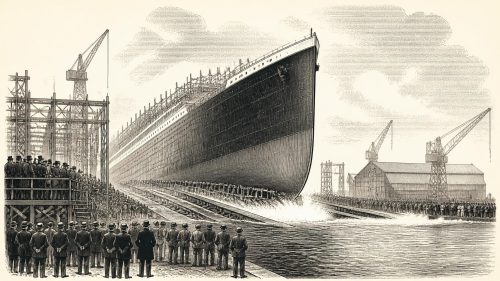
In 1911, Ireland remained under Westminster rule but faced deepening constitutional, social and economic divisions. The census documented continuing population decline through emigration, rural livelihoods, and the mixed fortunes of Irish language revival. The Parliament Act removed the Lords’ absolute veto, making Home Rule more attainable, while Carson’s Craigavon rally demonstrated organised Unionist resistance. Belfast launched Titanic, symbolising industrial strength and Unionist ties to Britain. Labour militancy emerged through Larkin’s Irish Worker and the Wexford lockout. Suffrage organisations expanded women’s public activism. Royal visits and the Parnell monument reflected competing loyalties, as Ireland’s divergent futures became increasingly visible to contemporaries.