Explore every Emerald Archives article connected with Local elections.
2020–2029 CE
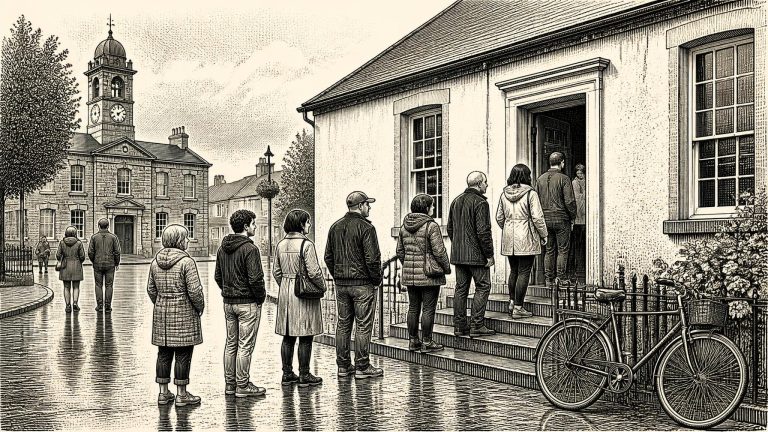
Ireland’s 2024 combined constitutional rebuff, electoral change and social pressures. In March, voters rejected Family and Care amendments, citing unclear wording and limited practical value. Simon Harris succeeded Leo Varadkar as Taoiseach, while local, European and November general elections produced fragmented representation; government formation remained unresolved. Population growth and migration intensified housing, service and international-protection accommodation shortages despite construction and economic resilience. Cuan expanded domestic-violence provision. Ireland recognised Palestine, challenged UK legacy legislation, and Northern Ireland’s Executive returned. Cultural achievements included Cillian Murphy’s Oscar. Education initiatives and a stormy year highlighted environmental concerns, reinforcing tensions between activity and inadequate capacity.
2010–2019 CE

Ireland in 2014 emerged economically from crisis, but austerity and distrust fuelled protests against Irish Water’s meters and household charges. The Government delayed charges, capped bills and legislated safeguards, while electoral losses reflected wider discontent. Severe Atlantic storms caused flooding, coastal damage and power failures. Garda controversies prompted ministerial resignations and reforms including protected-disclosure, human-rights and freedom-of-information measures. Catherine Corless’s Tuam research provoked national reckoning with mother-and-baby institutions. President Higgins’s state visit to Britain affirmed improving relations. In Northern Ireland, the Stormont House Agreement addressed finances, institutions and conflict legacies. The Wild Atlantic Way promoted coastal tourism amid uneven recovery.