Irish Brigade
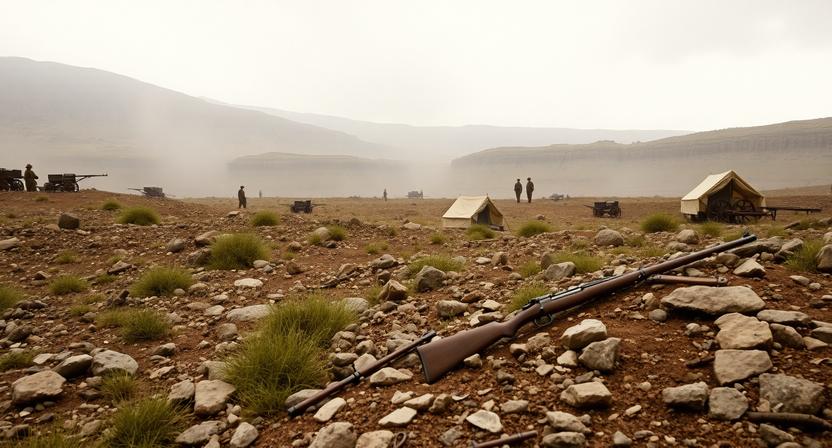
On 12 February 1900, Parliament examined a controversial allegation that an Irish brigade was serving with Boer forces in South Africa during the ongoing Second Boer War. The claim, raised by British officials and nationalist MPs, suggested that Irish volunteers, motivated by sympathy for the Boers and opposition to British imperial policy, had joined the conflict against British troops. The issue sparked heated debate, reflecting deep tensions over Irish identity, loyalty, and the wider context of imperial politics.
The discussion opened with an overview of intelligence reports and press coverage. MPs cited accounts of Irishmen fighting alongside the Boers, participating in key battles, and acting as intermediaries between Boer commanders and European sympathisers. Some members questioned the reliability of these reports, demanding concrete evidence and clarification from military officials. The government acknowledged the possibility of Irish volunteers but argued that the numbers were likely exaggerated and that official policy discouraged such participation.
Nationalist MPs defended the actions of any Irish volunteers, framing their involvement as an expression of solidarity with the Boers and resistance to British rule. They argued that sympathy for the Boers was widespread in Ireland, fuelled by perceptions of imperial injustice and historic grievances. The debate quickly broadened to include questions of Irish autonomy, conscription, and the rights of individuals to oppose imperial wars. Ministers cautioned against romanticising foreign involvement and urged respect for British military discipline.
Public reaction in Ireland was mixed. Newspapers reported extensively on the alleged Irish brigade, with nationalist publications celebrating the volunteers and unionist papers condemning their actions as treasonous. Meetings were held across the country, with some groups expressing support for the Boers and others distancing themselves from the controversy. The discussion fuelled broader debates about Irish independence and the role of Ireland within the British Empire.
The examination of the Irish brigade allegation on 12 February 1900 highlighted the intersection of international conflict and domestic politics. By raising questions about loyalty, identity, and resistance, the debate deepened divisions and underscored the complexities of Ireland’s relationship with Britain in an era of imperial war.
- UK Parliament, Hansard, HC Deb 12 February 1900, “Irish Brigade with the Boers.”
- Freeman’s Journal (Dublin), 13 February 1900, reports on the parliamentary debate and nationalist responses.
- Irish Times, 13 February 1900, analysis of press coverage and military reports.
- Irish nationalist and unionist pamphlets, February 1900, statements on the Boer War.
