Archived: 11 October 2026
Abstract
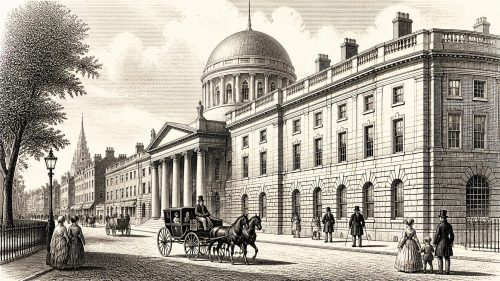
In 1808, seven years after the Union, Ireland experienced political subordination, wartime economic activity and Catholic institution-building. The Bank of Ireland opened in Dublin's former Parliament House, symbolising the loss of domestic legislature and the growing importance of finance and commerce. Catholic petitions, presented by Henry Grattan, sought equality but were overwhelmingly rejected at Westminster; controversy over a proposed royal veto on bishops deepened divisions. Meanwhile, the Patrician and Presentation Brothers were founded, and Cork's North Cathedral was dedicated. Cork Harbour dispatched Wellesley's expedition to Iberia, while Nelson's Pillar foundation and Mary Leadbeater's poetry reflected imperial commemoration and cultural life.
Read Article
Archived: 11 October 2026
Abstract
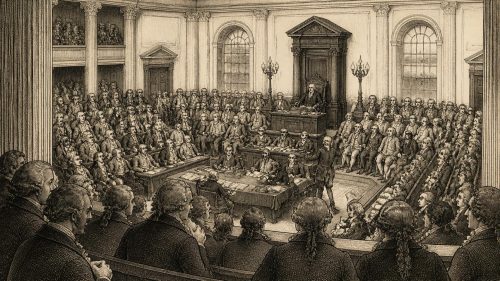
In 1799, post-rebellion Ireland remained militarised and insecure as Cornwallis and Castlereagh sought legislative union with Great Britain. Their proposal was defeated in the Commons, where Speaker John Foster led a narrow anti-union majority, although the Lords approved it. Public celebrations reflected resistance, but the unrepresentative Dublin parliament excluded Catholics. During the pause, government prepared to rebuild support through patronage. Courts martial, disturbed-district proclamations, prosecutions and transportation continued, tempered by Cornwallis’s commutations. Catholic bishops considered state oversight of appointments, while lay Catholics opposed union. Autumn rains damaged potatoes, raising subsistence fears amid wartime financial disruption. Ireland nevertheless faced constitutional change.
Read Article
Archived: 11 October 2026
Abstract
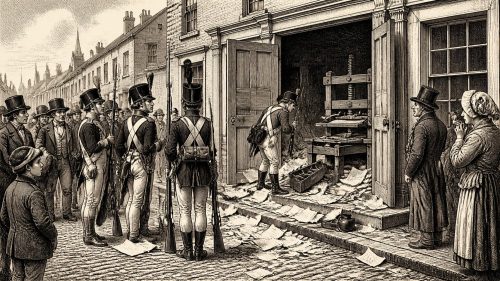
In 1797, Ireland faced mounting tension between the clandestine United Irishmen and a government anticipating rebellion and French invasion. General Gerard Lake’s Ulster disarmament campaign seized weapons, intimidated communities and weakened northern radical networks. After Monaghan militiamen implicated in United Irish activity were executed at Blaris, fellow soldiers destroyed Belfast’s Northern Star, silencing a major radical newspaper. Arrests also disrupted Cork organisers, while calls for constitutional conciliation gained little ground. William Orr’s contested conviction and hanging made him a powerful martyr. Meanwhile, parliamentary limitations and bank restrictions exposed wider political and economic insecurity, foreshadowing the 1798 rebellion in Ireland itself.
Read Article

Archived: 12 October 2026
Abstract
In 1783, Ireland secured confirmation of legislative and judicial autonomy through the Renunciation Act, ending British appellate jurisdiction. Yet its parliament remained Protestant, property-based and controlled by patronage. Volunteers pressed for reform, convening in Dublin at the Rotunda under Lord Charlemont. Their Protestant-focused programme excluded Catholic enfranchisement and sought electoral reform, curbs on office-holders, regular parliaments and anti-corruption measures. Henry Flood’s Volunteer-backed bill was rejected by the Commons, while Grattan resisted armed pressure. The convention adjourned peacefully, exposing constitutional limits. Harvest failures caused scarcity and food prices, while the Bank of Ireland opened and Dublin’s commercial and ceremonial life continued.
Read Article




