


Related Archive: Economic recovery

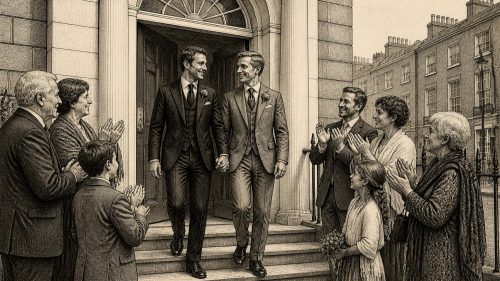
Marriage Equality

Marriage Equality

Archived: 26 September 2026

Abstract

In 2015, Ireland experienced uneven recovery from the financial crash amid water-charge protests, emigration and approaching elections. Voters overwhelmingly approved marriage equality in May, followed by legislation enabling same-sex marriage, while family-law and gender-recognition reforms broadened legal recognition. The State established an inquiry into mother-and-baby homes, confronting institutional abuses. Economic growth and falling unemployment coexisted with insecurity, outward migration and misleading GDP expansion driven by multinational restructuring. Ireland expanded Mediterranean rescue and refugee commitments, supported Northern Ireland's Fresh Start Agreement, and enacted climate-governance legislation. The year combined change with disputes over austerity, historical accountability, public services, peace and international responsibility.
Read Article

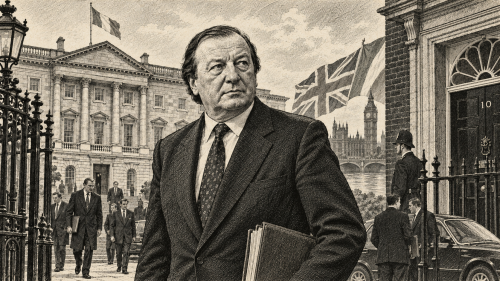
Haughey Dismissal

Haughey Dismissal

Archived: 26 September 2026

Abstract

In 1991, Ireland combined tentative recovery with political instability and continuing conflict. Dublin’s European City of Culture programme promoted the capital’s contemporary artistic identity, despite criticism of its visibility and reach, and supported Temple Bar’s emergence as a cultural quarter. The Fianna Fáil–Progressive Democrats coalition was strained as Taoiseach Charles Haughey dismissed finance minister Albert Reynolds, replacing him with Bertie Ahern. Fiscal restraint and social partnership reduced borrowing and inflation, but unemployment reached about 14.7 per cent and insecurity persisted, although emigration eased. The IRA’s Downing Street mortar attack underscored the Troubles’ reach, while negotiations continued without a peace breakthrough.

Read Article

Your research question is too vague

Please ask a clear question. Name the person, place or event you’re interested in, and add a date or period if you know it.

Example “What happened during the Siege of Limerick in 1691?”