
Archived: 10 October 2026
Abstract
In 1845, potato blight initiated Ireland’s Great Famine, although mortality remained limited compared with later years. Dependence on potatoes left labourers, cottiers and smallholders especially vulnerable, while food production continued beyond their purchasing power. Peel’s government commissioned scientific inquiries, secretly bought American maize, and linked the crisis to Corn Law repeal, but relief remained cautious. The Devon Commission documented insecure tenure and rural inequality. Educational reforms funding Maynooth and Queen’s Colleges provoked religious and nationalist disputes. Thomas Davis, Young Ireland’s inclusive cultural nationalist, died in September. By year’s end, blight, poverty, weak tenure and political division foreshadowed catastrophe to come.
Read Article
Archived: 11 October 2026
Abstract
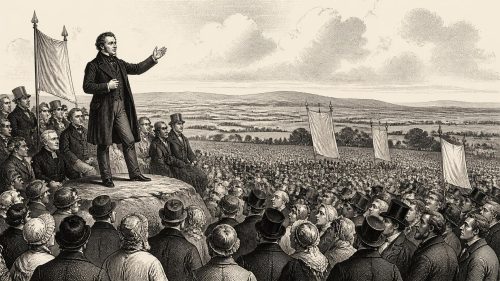
In 1843 Daniel O’Connell’s Repeal campaign sought restoration of an Irish parliament while retaining the Crown. Organised by the Repeal Association, enormous peaceful monster meetings at Trim, Tara and Mullaghmast mobilised supporters and linked self-government to Ireland’s nationhood, poverty, land insecurity and development. Thomas Davis and The Nation broadened its cultural nationalism, while clergy played organisational roles. Beneath pageantry, agricultural dependence, insecure tenancies and harsh Poor Law relief revealed social vulnerability. The prohibited Clontarf meeting marked the campaign’s defeat: O’Connell cancelled it to avert violence, after which government prosecutions began. Repeal failed, but 1843 shaped nationalism and highlighted Ireland’s crisis.
Read Article
Archived: 11 October 2026
Abstract
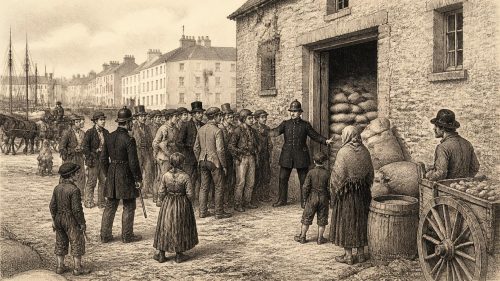
In 1842, before potato blight, Ireland experienced acute distress from scarcity, high prices, seasonal unemployment and entrenched poverty. Galway symbolised the crisis when hungry people attacked a potato store in June, reflecting fears of hoarding and food beyond local reach. The expanding Poor Law rapidly opened workhouses, offering deterrent, stigmatising relief while leaving many needy people outside. Temporary government aid acknowledged emergency conditions. Daniel O’Connell’s Repeal Association strengthened its organisation, linking constitutional demands with economic grievances and opposing slavery. Peel’s tariff reforms fuelled criticism of Westminster. In October, The Nation began promoting nationalism, connecting material hardship, identity and political self-government.
Read Article

Archived: 11 October 2026
Abstract
In 1829, Catholic Emancipation transformed Irish constitutional politics after Daniel O’Connell’s 1828 Clare election and the Catholic Association’s mass mobilisation forced Wellington’s government to act. The Roman Catholic Relief Act, assented to on 13 April, enabled Catholics taking a new oath to enter Parliament and many public offices, though it preserved the Protestant state settlement and excluded them from certain positions. Simultaneously, the Irish election law raised the county freehold qualification from forty shillings to £10, disfranchising many poor Catholic voters. O’Connell’s pre-Act election required a Clare by-election, which he won unopposed. Protestant opposition persisted; Gerald Griffin’s novel reflected society.
Read Article
Archived: 11 October 2026
Abstract
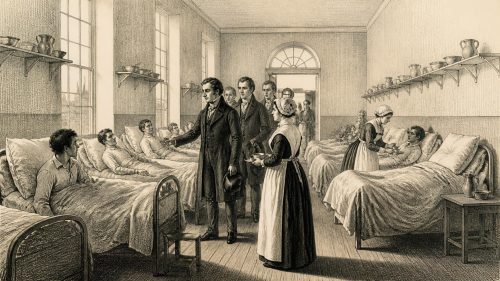
In 1817, Ireland faced severe scarcity, unemployment and typhus amid poor harvests and post-Napoleonic depression, though not an island-wide famine comparable to the Great Famine. Dublin fever surged in September, prompting Dr Steevens’ Hospital to open emergency wards for labourers, artisans and servants. Relief depended on fragmented charities, local bodies and government employment schemes, while new legislation addressed public works, grand-jury finance and institutional care. Fiscal integration with Britain advanced, and Catholic emancipation remained unresolved. Despite crisis, the Royal Canal reached Cloondara, Dunleary harbour construction began, temperance emerged in Skibbereen, and O’Reilly published an Irish-English dictionary, carefully preserving linguistic knowledge.
Read Article
Archived: 11 October 2026
Abstract
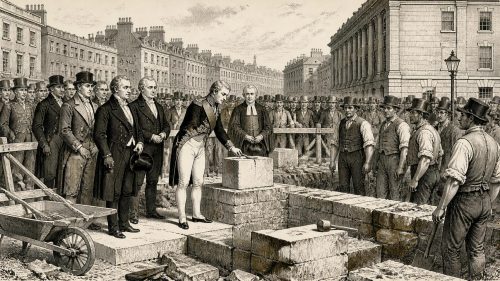
In 1814, post-Union Ireland faced peace as Napoleon’s abdication altered wartime trade while rural poverty and land tensions persisted. Robert Peel’s government answered disturbances, notably in Tipperary’s Middlethird, with the Peace Preservation Act, creating salaried magistrates and constables and strengthened coercive powers against unlawful combinations. Catholic politics were divided over a proposed Crown veto on bishops, with Daniel O’Connell opposing state control; emancipation remained unresolved. Dublin saw Whitworth lay the General Post Office foundation stone and Chapel Royal inaugurated, while Belfast’s Academical Institution opened. Shaw Mason began his parochial survey, and the Apprentice Boys Club formed in Derry, reflecting division.
Read Article

Archived: 11 October 2026
Abstract
In 1812, Catholic politics revived through the Catholic Board, which defended constitutional petitioning against Convention Act restrictions. Daniel O’Connell emerged as a forceful opponent of the proposed Crown veto over bishops’ appointments. At Westminster, Henry Grattan secured a Commons vote favouring consideration of Catholic claims, but no emancipation legislation followed. Robert Peel’s appointment as chief secretary strengthened Dublin Castle’s resistance. Wartime markets supported agricultural output and trade, yet rural households faced insecure holdings, rents and poverty. Wakefield surveyed these inequalities; Edgeworth’s The Absentee criticised distant landlordism. Sadler’s balloon attempt provided a fleeting spectacle amid unresolved political, social and economic tensions.
Read Article




