Archived: 18 October 2026
Abstract
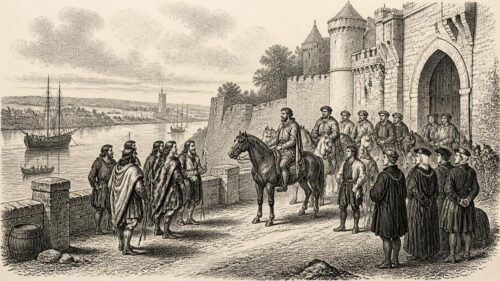
In 1549, Tudor authority in Ireland rested on negotiation, military pressure and limited resources. William Brabazon replaced Edward Bellingham as lord justice and held a major court at Limerick, where regional lords accepted a contingent peace secured by civic and aristocratic guarantees. Conflict continued across the midlands and west through castle seizures, raids, killings and disputed successions within Gaelic kindreds. Gunpowder caused Dermot O’Sullivan’s death, illustrating changing warfare. French envoys explored an Ulster alliance through Lough Foyle but found Gaelic divisions. Religious reform remained uneven, while local lordship, kinship and control of land shaped daily political realities beyond royal centres.
Read Article
Archived: 18 October 2026
Abstract
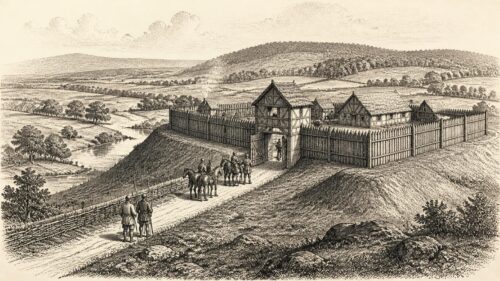
In 1548 Sir Edward Bellingham replaced Anthony St Leger as lord deputy, shifting Tudor policy from accommodation towards military occupation. Fort Protector, established in Leix on the future site of Portlaoise, provided a permanent garrison base against the O’Mores and O’Connors. Cahir Roe O’Connor was executed, while Brian O’Connor Faly and Giolla Pádraig O’More submitted, were taken to England, and the latter died there. Cess and the reopened Dublin mint supported government. Bellingham intervened in Wicklow, detained Desmond, while Ulster remained divided by conflict. Edwardian religious reforms advanced unevenly. Tudor power remained limited but relied on garrisons, coercion and confiscation.
Read Article
Archived: 18 October 2026
Abstract
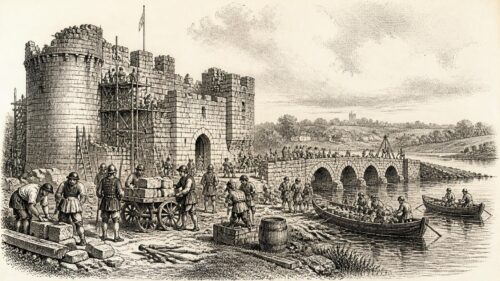
In 1547, Edward VI’s accession left Sir Anthony St Leger governing Ireland through system of negotiated loyalties. Dynastic conflict in Laois and Offaly sparked the Midland Rebellion, drawing in Ó Mórdha and Ó Conchobhair Fáilghe forces and exposing limits of conciliation. Reinforcements under Sir Edward Bellingham supported campaigns, while criticism of St Leger intensified. William Brabazon repaired Athlone Castle, strengthening a Shannon crossing. Dublin’s St Patrick’s Cathedral was suppressed and its assets redistributed, though religious reform remained uneven. A storm and cattle raiding illustrated vulnerability. By year’s end, warfare, financial scrutiny and division pushed Tudor government towards garrisons and force.
Read Article
Archived: 18 October 2026
Abstract
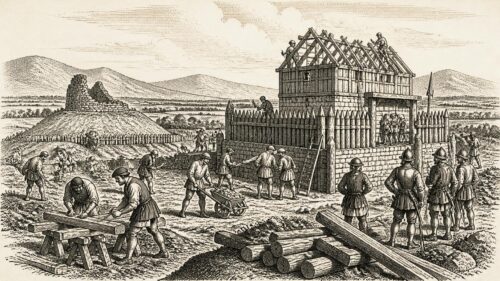
In 1546, Henry VIII's Irish government faced factional conflict and uneven authority. Sir Anthony St Leger defeated the Earl of Ormond in disputes over regional power, though Ormond's death soon exposed continued dependence on magnates. A fort at Daingean extended crown influence into the midlands, provoking annalistic accounts of destruction. In Ulster, Donnell O'Donnell's murder at Inis Saimer violated guarantees of protection and reflected enduring Gaelic politics. Debased copper coinage affected exchange, while episcopal appointments asserted royal control over the Church. The imprisonment of poet-teacher Teige O'Coffey highlighted pressures on bardic learning. These events reveal a kingdom undergoing contested transformation.
Read Article
Archived: 18 October 2026
Abstract
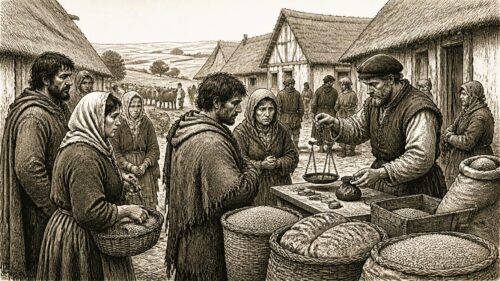
In 1545, Ireland experienced interconnected local conflicts, Tudor military demands, scarcity and religious complexity. Cathaoir MacMurrough Kavanagh defeated rivals near Hacketstown, while An Calbhach O’Donnell strengthened his position through dynastic violence in Tír Chonaill. Elsewhere, disputes involving Sligo, Moylurg and O’Rourke reflected fractured lordship. Henry VIII ordered Irish troops for Scotland under Ormond, exposing rivalry between Ormond and Lord Deputy St Leger. Annals recorded severe dearth and costly bread in Connacht and Meath amid debased currency. Papal appointment in Killala, changes at Christ Church, and the death of scholar Piers Ó Muirgheasa demonstrate enduring ecclesiastical and learned traditions across Ireland.
Read Article

