Membership is completely free, giving members unlimited access to all available resources, services, features, and benefits without any restrictions or fees.
Welcome back. Sign in to continue enjoying unlimited access to all available resources, services, features, and member benefits at no cost.
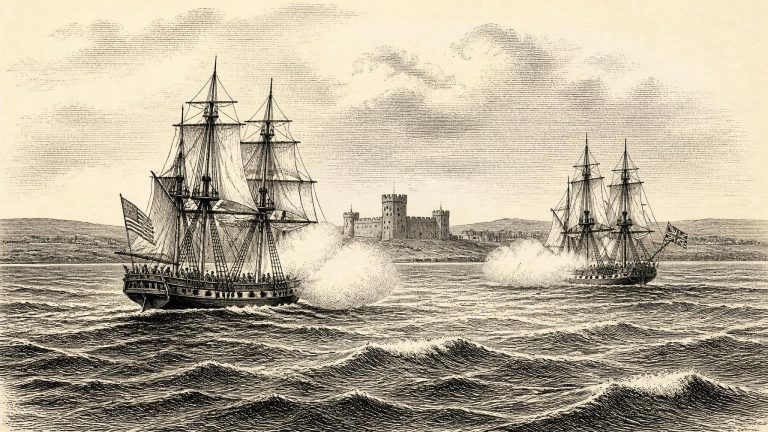
Jones had sailed from France in April in the eighteen-gun Ranger, taking the war into waters normally regarded as Britain’s own. France’s alliance with the United States in February, followed by open Franco-British war later that year, transformed the strategic position of Ireland. Its long coastline, valuable harbours and proximity to Britain made it both a potential base and a potential target. Regular troops had already been drawn away from Ireland for imperial service, while coastal communities had reason to fear privateers as well as a major enemy landing.
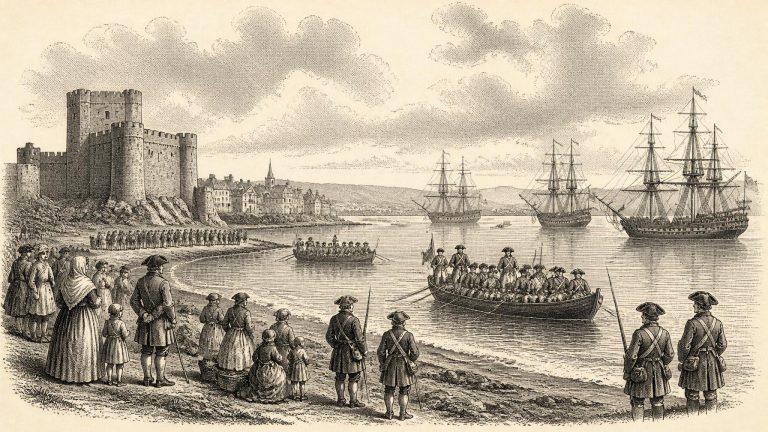
The best-dated event of the year began on 21 February, when three French frigates under the privateer and naval commander François Thurot entered Carrickfergus Bay. Their force numbered about 600 men. It was a fragment of a wider French wartime enterprise, not the advance guard of a successful conquest of Ireland. Nevertheless, Carrickfergus was a fortified port with a long military history, and its capture made an immediate impression. The town stood close to the route into Belfast Lough and possessed a castle which, though old and inadequately maintained, could not simply be ignored by an invading force.