


Related Archive: Dublin Corporation

Lucas Remonstrance

Lucas Remonstrance

Archived: 13 October 2026

Abstract

In 1743, Charles Lucas challenged Dublin aldermen's control over elections, accounts and patronage, arguing that the Corporation's wider body should choose aldermen. His April Remonstrance and demands to print accounts widened the dispute through print and legal argument, although recorder Eaton Stannard ruled for the aldermen in October. The conflict promoted civic accountability but remained confined to Protestant corporate citizens, excluding Catholics and Dissenters. Arthur Jones Nevill became Surveyor General, linking public works to Castle patronage. Proclamations addressed crime, ports and quarantine, while a linen bounty integrated Irish production into British Atlantic trade. Recovery from the Great Frost remained precarious.
Read Article

Swift's Freedom

Swift's Freedom

Archived: 13 October 2026

Abstract

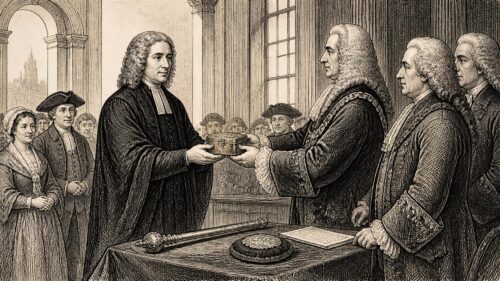
In 1730 Dublin Corporation granted Jonathan Swift the freedom of the city in a gold civic box, recognising the dean and author’s influence after the Drapier’s Letters. The ceremony illuminated Protestant-controlled municipal power, print culture and exclusion. During transition between viceroys, resident officials dominated administration; Ireland’s Parliament remained subordinate to Britain and restricted to propertied Protestants. Legislation against workers’ combinations exposed insecure urban labour and regulation of growing Dublin. Early toll roads signalled commercial development, while agriculture, linen production, markets and weather shaped livelihoods. Established Anglican authority contrasted with the restricted but enduring Catholic majority and disadvantaged Presbyterians, revealing inequality.

Read Article