

Fermanagh’s Freshwater Interlude
Archived: 23 September 2026
Abstract
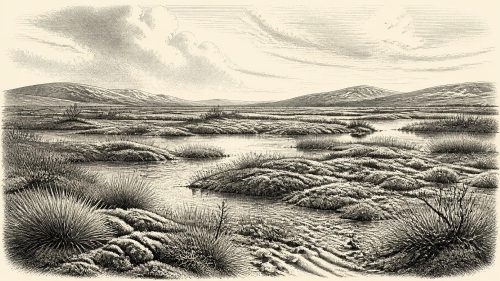
Thirty thousand eight hundred and three BCE is an imprecise label for a Late Pleistocene interval, not a Irish year. At Derryvree, County Fermanagh, freshwater silts, organic layers and tundra flora between two tills record an ice-free phase around 33,500 years BP, later buried by renewed glaciation. Mosses, sedges, insects and open vegetation indicate cold periglacial wetlands, not forest or settlement. Irish cave remains show cold-adapted mammals, including reindeer and mammoth, during wider MIS 3, though dates and associations remain uncertain. Human activity is possible but unproven; no secure contemporary settlement, tools or social history survives. Only environmental evidence survives.