Membership is completely free, giving members unlimited access to all available resources, services, features, and benefits without any restrictions or fees.
Welcome back. Sign in to continue enjoying unlimited access to all available resources, services, features, and member benefits at no cost.
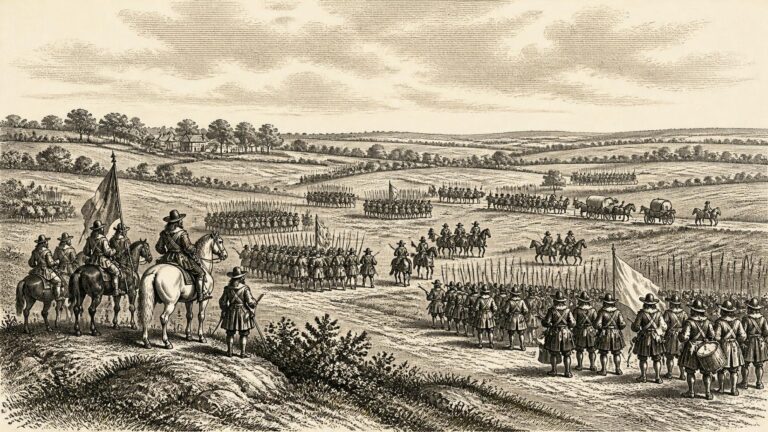
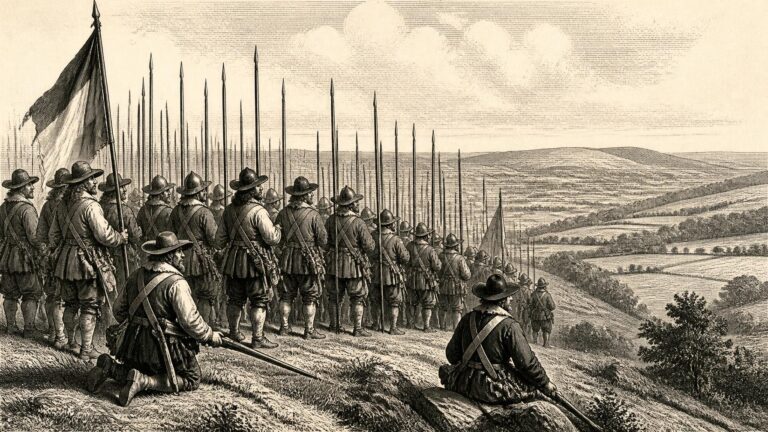
The crisis belonged to a landscape already devastated by more than six years of conflict. The 1641 rising had developed into a many-sided war: Catholic Confederate armies, English royalists, English parliamentarians, Scottish covenanters in Ulster, and local Protestant forces all held territory or maintained garrisons. Their alliances had repeatedly shifted. Kilkenny was the Confederation’s political centre, but its authority depended on provincial councils, noble networks, clerical support and armies which often lacked regular pay, food, ammunition and discipline.
The Confederation’s leadership entered 1647 with unresolved disputes over both religion and strategy. The failed peace agreement negotiated with James Butler, marquess of Ormond, the king’s lord lieutenant, had divided Confederate opinion in 1646. Giovanni Battista Rinuccini, the papal nuncio, and many clergy had rejected a settlement that did not secure sufficiently extensive guarantees for Catholic worship and property. Others, especially among the Old English Catholic political elite, considered a negotiated arrangement with the crown essential.
On 28 March, the Confederate Supreme Council concluded an agreement with James Butler, marquess of Ormond, Charles I’s lord lieutenant in Ireland. Ormond held Dublin for the king and was attempting to preserve royal authority in a kingdom divided among royalists, parliamentarians, Scottish Covenanters and Confederate Catholics. The proposed settlement was intended to bind the Confederates to the royal cause and permit Irish troops to assist Charles in Britain. For many members of the Supreme Council, especially those associated with Viscount Muskerry and the Old English Catholic landed interest, an agreement seemed the least dangerous option in a widening war.
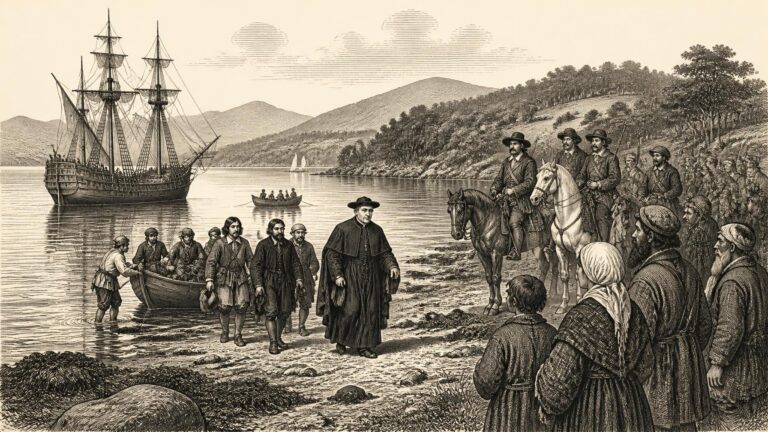
The most securely dated Irish military event of the year was the Confederate capture of Duncannon Fort, at the entrance to Waterford Harbour. Thomas Preston’s Leinster army began its siege on 20 January. The fort was a formidable strategic position: whoever held it could threaten or protect shipping moving between Waterford, the Irish Sea and continental routes. It was also an English-held outpost embedded in a region otherwise strongly influenced by the Confederation. Its governor, Lord Esmonde, had to depend upon a comparatively small garrison, sea supply and the strength of the fortifications.