Membership is completely free, giving members unlimited access to all available resources, services, features, and benefits without any restrictions or fees.
Welcome back. Sign in to continue enjoying unlimited access to all available resources, services, features, and member benefits at no cost.
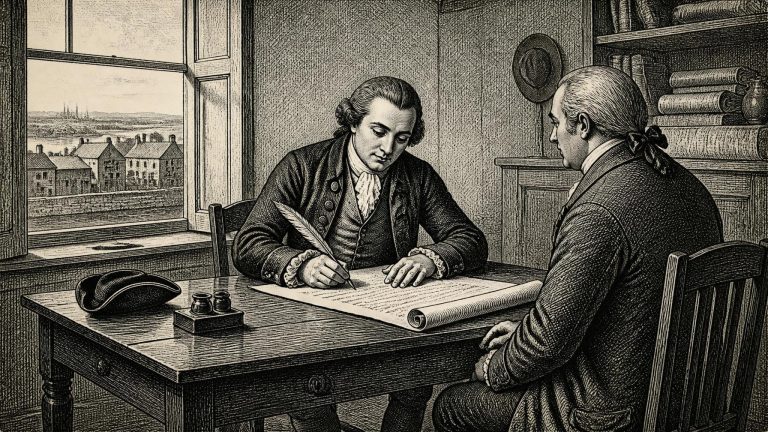
The new Irish parliament assembled in Dublin on 17 October 1769. It was the first parliament elected under the Octennial Act of the previous year, which limited a parliament’s maximum life to eight years. That was a real constitutional change: elections would occur more regularly than under the old practice of long-lived parliaments. Yet the electorate and the Commons were still narrow in composition. The lower house had 300 members, returned by counties and, overwhelmingly, by boroughs whose franchises could be tightly controlled by landlords, corporations and patrons. Catholics, who formed the great majority of the population, were excluded from parliament, while the legal disabilities created by the penal code continued to shape property, education, worship and public life.
Francis Seymour-Conway became lord lieutenant in August 1765. His arrival followed a decision by the British ministry, taken earlier that year, that future viceroys ought to reside continuously in Ireland. The intention was administrative as well as political. For decades, the lord lieutenant had generally come over for a parliamentary session and then departed, leaving government to lords justices and to powerful Irish figures who could “undertake” to manage votes in parliament in return for offices, pensions and influence. A resident representative of the Crown, ministers hoped, would restore authority to Dublin Castle and curb this expensive arrangement.
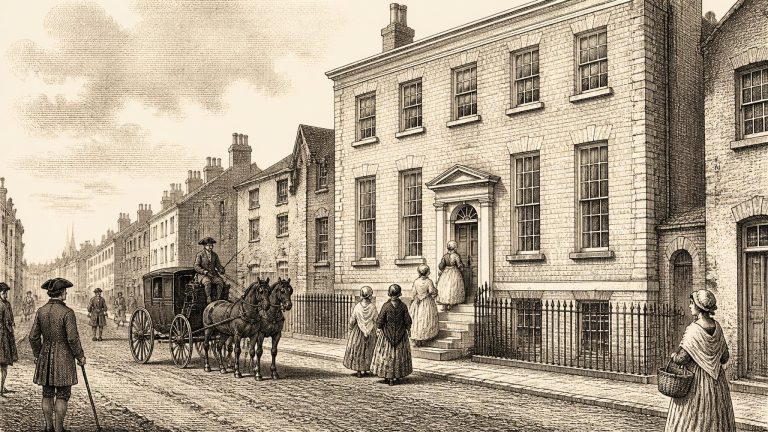
In 1759, Ireland remained a separate kingdom under the crown of George II, with its own parliament in Dublin but subject to decisive constitutional limits. Its legislation passed through the machinery of Poynings’ Law and the British privy council; its executive was headed by the lord lieutenant, John Russell, fourth duke of Bedford; and political office, parliamentary influence and civic authority rested overwhelmingly with the established Protestant elite. Yet the year demonstrated that Dublin politics could not be confined to officeholders, patrons and the chambers of Parliament House. A rumour of union with Great Britain brought a crowd into the heart of the capital and made ‘Ireland’ a public political cry decades before the Union of 1800.