Archived: 17 October 2026
Abstract
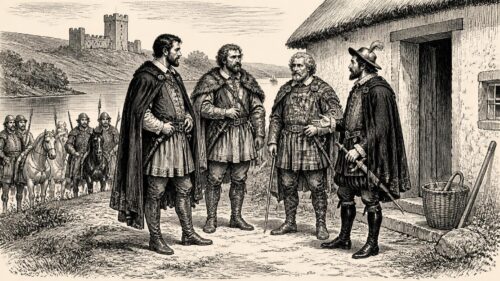
In 1596, attempts to settle the Ulster conflict through pardons and limited autonomy failed as Hugh O’Neill and Hugh Roe O’Donnell linked territorial claims with Catholic liberty. Spanish envoy Alonso de Cobos met them at Lifford, prompting an appeal to Philip II for troops and a Habsburg ruler, and tying Irish resistance to European war. In Connacht, Norreys’s large expedition stalled beside the River Robe when provisions ran out, revealing the importance of supply and alliances. Succession disputes, raids, coercive administration and religious tensions widened disorder across Ireland. Changes in Connacht’s government and continued local rivalries failed to restore stability.
Read Article
Archived: 18 October 2026
Abstract
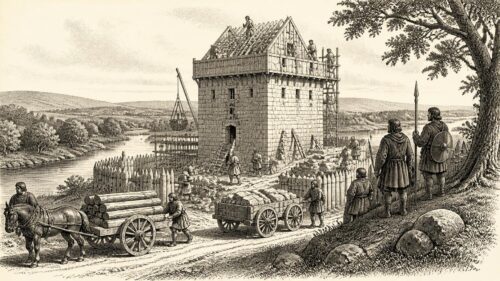
In 1527, Ireland remained divided among the Dublin administration, Anglo-Irish magnates and Gaelic lordships. Gerald FitzGerald, earl of Kildare, and James Butler travelled to England amid rivalry, while fighting continued between Desmond and Butler interests in Munster. Manus O’Donnell completed Lifford Castle during war with Con Bacach O’Neill, strengthening a contested Ulster frontier. O’Donnell’s coalition ravaged Moylurg and captured several castles; Castlereagh later surrendered after a prolonged siege and famine. Successions in Fermanagh and Tirerrill demonstrated contested lordship. Annals also commemorated scholars, physicians, charitable women and Edmund Butler’s consecration as archbishop of Cashel, revealing cultural and ecclesiastical institutions amid warfare.
Read Article

