GNRI Bill
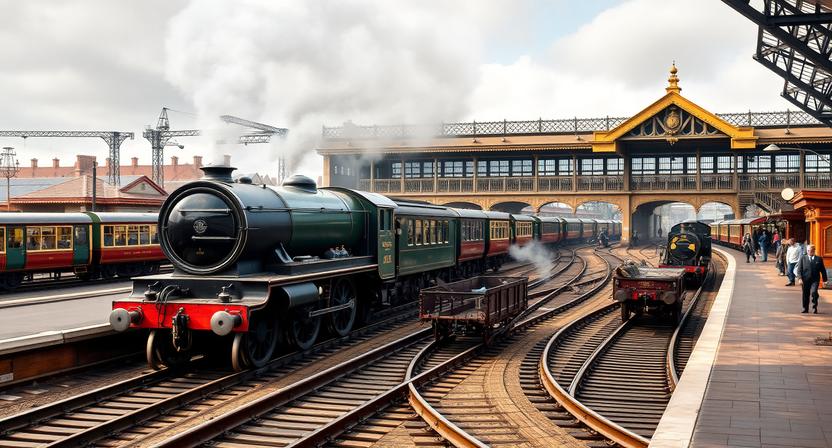
On 9 February 1900, Parliament formally considered the Great Northern Railway of Ireland Bill, a pivotal measure affecting one of the country’s largest and most important rail networks. The Bill sought to authorise new construction, upgrades to existing lines, and clarify the company’s legal powers, reflecting the continued expansion and modernisation of rail transport in Ireland.
Parliamentary debate focused on the economic advantages of improved rail connections between Dublin, Belfast, and key towns across the north and midlands. MPs discussed the potential for increased trade, passenger travel, and regional development, while some raised concerns about land acquisition, compensation for affected communities, and the need for safety and environmental standards. Railway officials and local business leaders broadly welcomed the Bill, citing the vital role of the GNRI in linking urban and rural Ireland.
In cities and towns served by the Great Northern Railway, newspapers reported on the excitement surrounding the Bill, with editorials highlighting the promise of faster journeys, greater access to markets, and new employment opportunities. Some rural communities expressed reservations about disruption during construction and called for careful management of land and resources.
The consideration of the Great Northern Railway of Ireland Bill in February 1900 captured the spirit of progress and debate central to Ireland’s transport revolution.
- UK Parliament, Hansard, HC Deb 9 February 1900, “Great Northern Railway (Ireland) Bill.”
- Irish Times, 10 February 1900, coverage of parliamentary debate and railway company statements.
- Belfast Newsletter, 10 February 1900, local reactions and business perspectives.
- Regional newspapers, February 1900, reports on affected communities and railway expansion.
