Asylum Funding
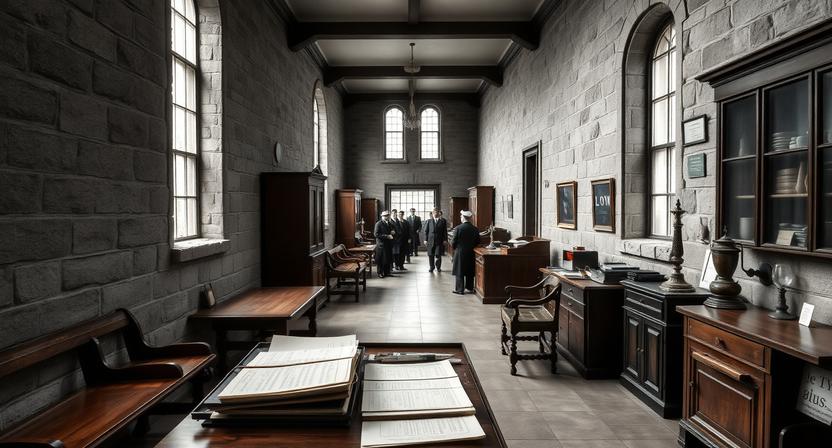
On 13 February 1900, Parliament discussed the introduction of a rate-in-aid to help maintain Ireland’s district lunatic asylums, spotlighting the financial strains on local authorities and the urgent need for sustainable mental health care funding. Irish MPs highlighted the increasing costs of caring for patients and the pressure this placed on county and district rates. Many argued that the growing complexity and scale of asylum care could not be met by local resources alone and that government intervention was necessary to ensure humane treatment and proper facilities.
The debate opened with a review of expenditure at several Irish district asylums. MPs presented figures showing rising admissions and escalating costs for staff, food, maintenance, and medical supplies. They warned that without additional support, the quality of care could deteriorate, and local taxpayers would face unsustainable burdens. Nationalist members stressed the moral and social responsibility of the state to provide for the most vulnerable, urging Parliament to approve a rate-in-aid funded at national level.
Attention turned to the structure of the proposed aid and its administration. Some MPs favoured grants directly from the Treasury, while others recommended matching funds to incentivise efficient management by boards of governors. Concerns were raised about oversight to prevent misuse and ensure transparency. Calls were made for regular audits, public reporting, and the involvement of medical professionals in both administration and reform.
Government officials responded by recognising the challenges faced by asylums and outlining previous increases in state support. They expressed willingness to consider a more systematic rate-in-aid, provided it was accompanied by robust safeguards and accountability measures. Ministers promised to consult with local authorities, medical experts, and Poor Law boards to design an effective funding mechanism.
Reactions in Ireland were immediate and strong. Newspapers, medical societies, and civic leaders issued statements supporting national funding for mental health care. Editorials emphasised the importance of dignity for those in asylums and the need for modern, well-resourced institutions. Public meetings and petitions urged the government to act swiftly, framing the debate as a test of social progress and responsibility.
The discussion on 13 February 1900 underscored the intersection of public health, finance, and social justice, and marked a critical step toward reforming Ireland’s mental health care system.
- UK Parliament, Hansard, HC Deb 13 February 1900, “Irish Lunatic Asylum Rate-in-Aid.”
- Freeman’s Journal (Dublin), 14 February 1900, report on asylum funding debate and local reactions.
- Irish Times, 14 February 1900, analysis of mental health care finances.
- Medical Press and Circular (Dublin), February 1900, articles on asylum conditions and funding.
- Reports of Inspectors of Lunatic Asylums for Ireland, 1899–1900, official oversight and recommendations.
