Seditious Circulation
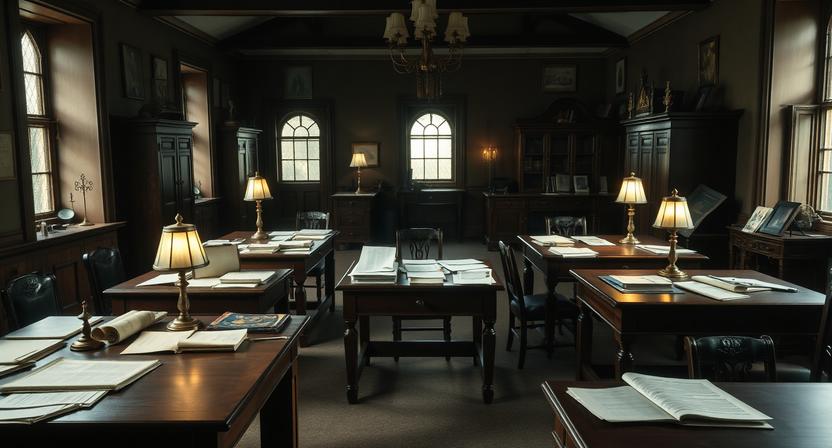
On 15 February 1900, Parliament launched an investigation into the circulation of material described by authorities as seditious among Irish Roman Catholics, raising concerns about freedom of expression, political agitation, and the response of law enforcement. Irish MPs challenged claims that pamphlets, letters, and circulars distributed in towns and parishes posed a threat to public order, arguing that such materials were often expressions of legitimate protest or political opinion.
The debate opened with government officials presenting evidence of seditious documents found in circulation in several Irish counties. These materials allegedly urged resistance to authority, criticised government policies, and called for greater autonomy or independence. MPs questioned the criteria for defining sedition, the accuracy of police reports, and the extent of surveillance conducted in Catholic communities.
Attention turned to the role of the Royal Irish Constabulary and magistrates in monitoring and seizing such documents. Some MPs condemned what they saw as excessive interference with civil liberties and religious gatherings, while others defended the need to prevent unrest. Proposals were made for clearer legal definitions, independent review of confiscated materials, and safeguards to protect free speech.
Government ministers responded by emphasising their duty to protect public safety and prevent incitement to violence. They asserted that only material deemed genuinely dangerous or unlawful was targeted, and that all actions were taken within the bounds of existing law. Ministers promised to review procedures and ensure that investigations respected constitutional rights.
Public reaction in Ireland was intense. Newspapers, Catholic clergy, and nationalist organisations voiced concern about censorship and the targeting of Catholic communities. Editorials called for transparency and accountability in state actions, while legal societies debated the boundaries of sedition. The investigation on 15 February 1900 highlighted ongoing tensions over political expression and religious identity in Ireland.
- UK Parliament, Hansard, HC Deb 15 February 1900, “Irish Roman Catholics—Seditious Circulars.”
- Freeman’s Journal (Dublin), 16 February 1900, reports on investigation and Catholic responses.
- Irish Times, 16 February 1900, analysis of sedition and civil liberties.
- The Tablet (London), February 1900, Catholic editorial commentary.
- Royal Irish Constabulary Annual Report, 1899–1900, statistics and procedures on document seizure.
