Ath Dara — Áth Dara in458 CE
The surviving annalistic evidence for 458 CE is brief and uneven. Several Irish annals place the battle of Áth Dara in or near that year, but they do not agree perfectly on the dating, and one source explicitly gives an alternative year. The year’s record is therefore best understood as a narrow set of notices, not a secure narrative of a larger event.
Dateline
Year Entry
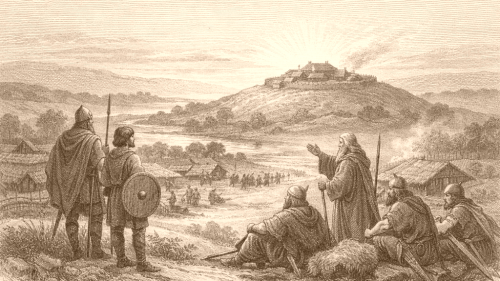
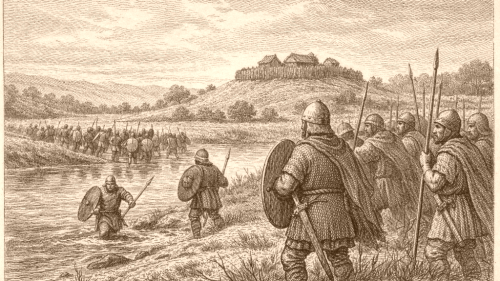
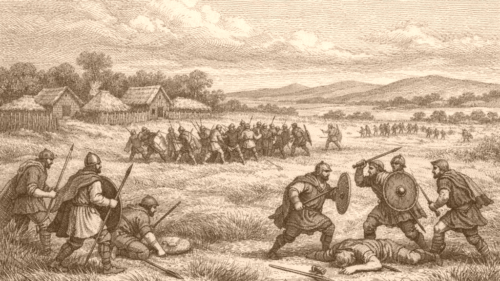
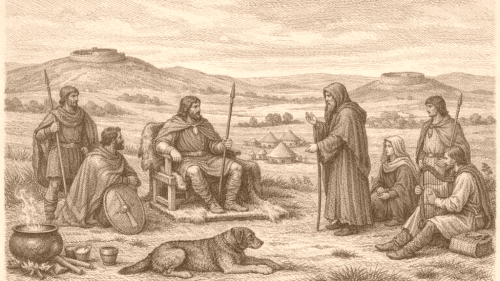
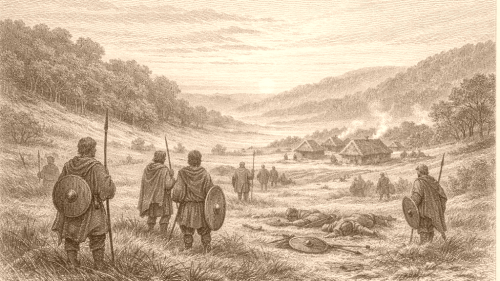
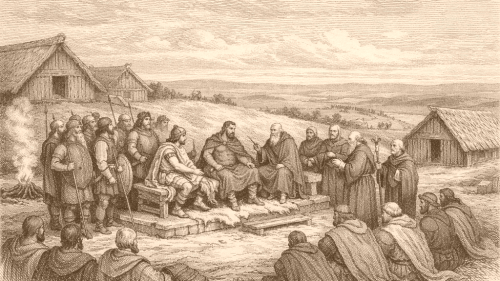
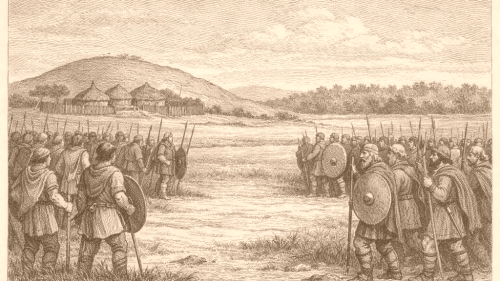
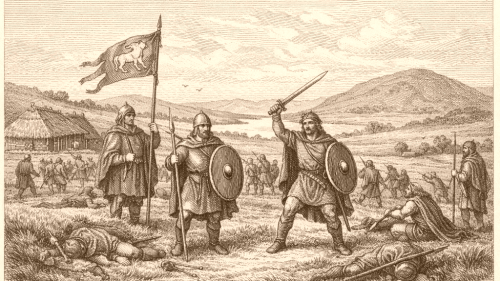
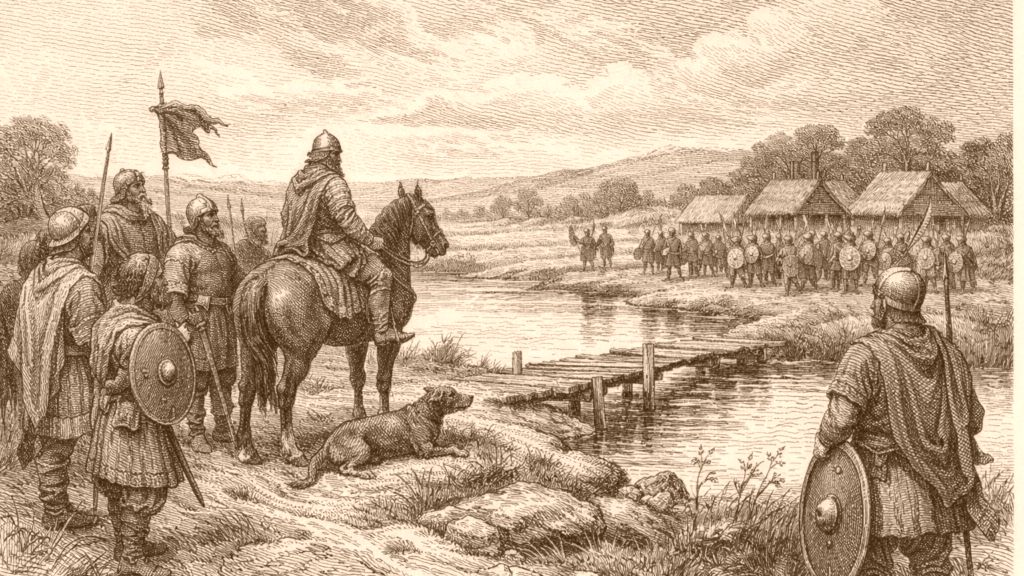
The Annals of Ulster place the battle of Áth Dara in 458, saying that the Laigin won and that Lóegaire was taken prisoner before being released on oath. Chronicon Scotorum also places the battle in 458 and says that he was taken prisoner and then set at liberty after swearing by the sun and wind. The Annals of the Four Masters place the battle in 457. [1] [2] [3]
Dating Uncertain
The dating is not unanimous across the annals. The Annals of Ulster note in 459 that the battle of Áth Dara occurred according to others. Chronicon Scotorum gives a 459 entry that repeats the battle with Crimthand as commander. The Annals of Inisfallen place the battle in 459 and cross-reference other annal traditions. [1] [3] [4]
Broader Context
The surviving annal notices are brief. The Annals of Ulster and Chronicon Scotorum preserve year markers and battle notices for 458 and 459, while the Annals of Inisfallen preserve a bare 458 heading and a separate 459 battle notice. These excerpts do not provide a fuller sequence of events for Ireland in those years. [1] [3] [4]
Source References
Hover over a number to see the source. Select it to open the source.