Archived: 22 November 2026
Abstract
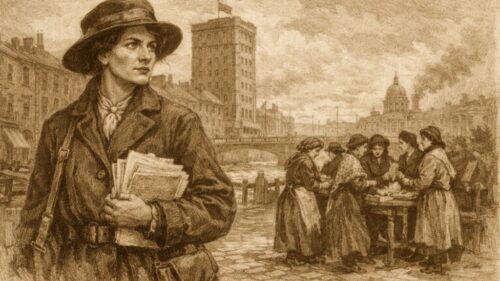
Helena Molony was born in Dublin in 1883. She joined Inghinidhe na hÉireann in 1903 after hearing an address by Maud Gonne, and she helped Gonne launch Bean na hÉireann, Ireland’s first women’s periodical.Political WorkBy 1908, Molony had become secretary and editor of Bean na hÉireann. She worked at the Abbey Theatre and appeared in support of suffrage and other political campaigns. In 1915, she became general secretary of the Irish Women Workers’ Union.Rising ServiceMolony was also a very active member of the Irish Citizen Army. During Easter Week 1916, she assisted in establishing first-aid stations and overseeing provisions in
Read Article
Archived: 22 November 2026
Abstract
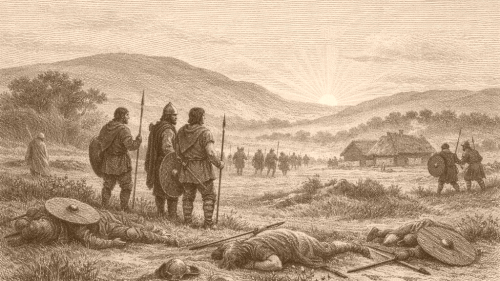
Annal DatesFor 482 CE, the clearest surviving Irish annal notices concern the battle of Ochae. The Annals of Ulster date it to 482 and say that Lugaid son of Laegaire and Muirchertach Mac Erca won the battle in which Ailill Molt fell. Chronicon Scotorum likewise places the battle under 482, with a fuller list of victors and a note that Ailill Molt died there. These two annals therefore preserve a shared 482 dating, though they do not present identical wording.The same year is not handled uniformly elsewhere. The Annals of the Four Masters place a battle notice under 480, naming
Read Article
Archived: 22 November 2026
Abstract
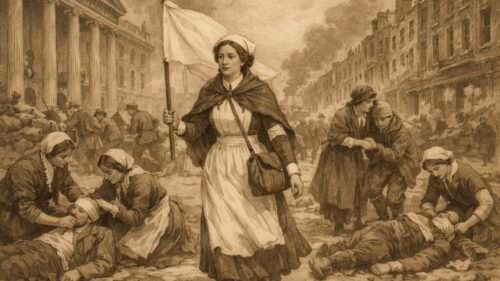
Elizabeth O'Farrell was born in Dublin in 1884.Early LifeThe 1901 census recorded her family at 9.1 Mark's Lane in Trinity, Dublin, with her father Christopher, a dock labourer, her mother Margaret, a housekeeper, and her sister Bridget, aged 19. The household was recorded as Farrell rather than O'Farrell. Elizabeth was the only person in the home who was proficient in Irish and English.Work EducationShe was educated by the Sisters of Mercy and trained as a nurse and midwife at the National Maternity Hospital, Holles Street, Dublin. The 1911 census recorded her as 27 and again noted that she was proficient
Read Article
Archived: 22 November 2026
Abstract
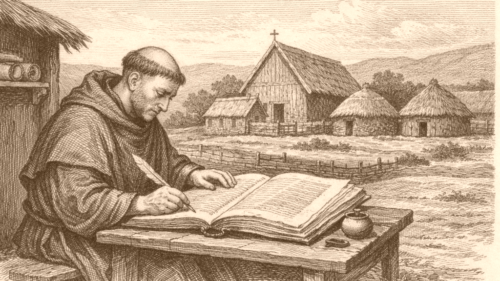
Ulster EntryAnnals of Ulster is the clearest witness for 483. Its entry for that year records the slaying of Cremthann son of Anna Cennselach, while a further note attached to the same year says that others placed the battle of Ocha in 483 and credited it to Muirchertach Mac Erca, Fergus Cerball son of Conall of Cremthann, and Fiachra Lon son of the king of Dál nAraide.Other NoticesThe other annalistic witnesses do not give a single shared 483 notice. Chronicon Scotorum places the commencement of Lughaidh son of Laegaire’s reign under 483, while its related sequence for the battle of
Read Article
Archived: 22 November 2026
Abstract
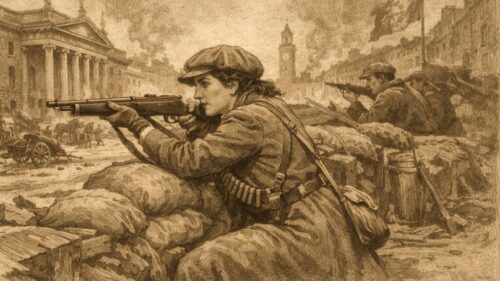
Margaret Skinnider was born in Scotland of Irish parents and is described in later accounts as having been born in 1892. She was associated with Glasgow as a militant suffragette and later became a combatant in the 1916 Easter Rising. One biography describes her as a feminist, Irish revolutionary, trade unionist, political activist and teacher.Glasgow YearsAccounts say she had family from Emyvale in County Monaghan, and that she became part of the local branch of Cumann na mBan. She also learned to shoot in Scotland. A contemporary account of her own remembered journey to Ireland refers to detonators and wires
Read Article
Archived: 22 November 2026
Abstract
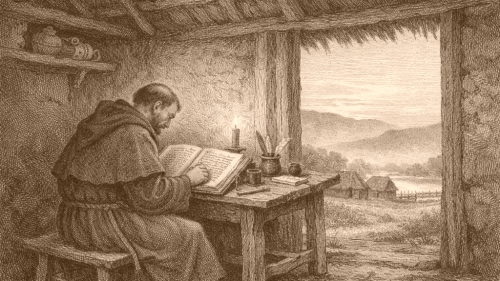
Ulster DatingThe Annals of Ulster place AD 484 with a dated notice for the beginning of the reign of Lugaid son of Laeghaire. In the same excerpt sequence, the surrounding entries show that this source also preserves nearby notices for earlier and later years, including the battle of Ochae and other dated material.Chronicon DatingThe Chronicon Scotorum is close but not identical: it gives the commencement of the reign of Lughaidh son of Laeghaire under A.D. 483 rather than 484. Its neighboring notice for A.D. 482 records Ailill Molt’s fall at Ocha, showing that the year placement of this reign notice
Read Article
Archived: 22 November 2026
Abstract
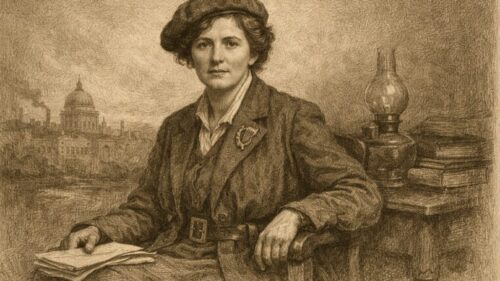
Kathleen Clarke was born in Limerick on 11 April 1878, the third daughter in a family of nine girls and one boy. Her father, Edward Daly, had been involved in the Fenian uprising of 1867, and the family was later helped by his brother James.Dressmaking CareerShe was apprenticed to a seamstress and, by the age of eighteen, had started her own dressmaking business. She later refused to join the family bakery work, because her dressmaking enterprise was successful. After meeting Tom Clarke following his release from prison, she fell in love with him, and they married in New York in
Read Article
Archived: 22 November 2026
Abstract
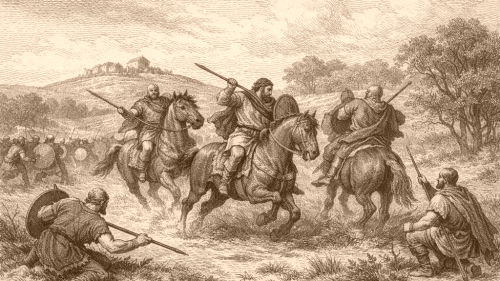
Battle RecordFor 485 CE, the strongest recurring notice in the surviving annal excerpts is a battle report. The Annals of Ulster place in 485 the first battle of Granairet, saying Coirpre son of Niall was victor while Finnchad fell, but adding an alternative view that Mac Erca was the victor. The Annals of Inisfallen also connect the year to the battle of Granard, naming Mac Erce as victor and saying Finnchad, king of the Laigin, fell, though it too adds that Cairpre was victor according to others.Wounding NoticeThe same year is linked to Crimthann Ceinnselach in more than one excerpt,
Read Article
Archived: 22 November 2026
Abstract
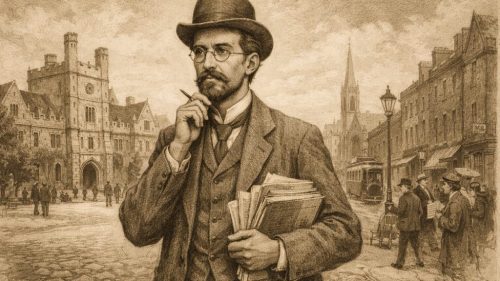
Francis Sheehy-Skeffington studied at University College, Dublin, where he was a friend of James Joyce. While there, the two men had essays that had been rejected by St Stephen’s privately printed in 1901 as Two Essays. He later worked as registrar of the college and married Hanna Sheehy during that period.Public WorkSheehy-Skeffington worked with Hanna in a range of socialist and radical causes, including women’s suffrage. He became editor of The Irish Citizen, which he had co-founded in 1912. During the 1913 lock-out, he served on the Peace Committee. He also became vice-chairman of the Irish Citizen Army in 1913,
Read Article
Archived: 22 November 2026
Abstract
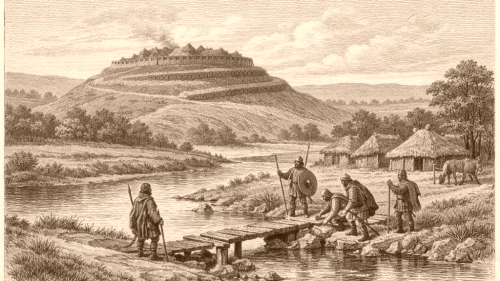
Annal EntriesFor 486 CE, the surviving annals preserve only a few brief notices. The Annals of Ulster explicitly mark the year and record an alternative notice for the first battle of Graineret, naming Muirchertach Mac Erca as victor; the same source places another year-specific notice in 486 but frames the battle wording with uncertainty. Chronicon Scotorum likewise assigns a notice to 486, recording the death of Saint Cianan of Damhliag. The Annals of Inisfallen preserve a notice under their 486 heading for the birth of Brénainn, son of Finnlug.Dating LimitsThe evidence for 486 is therefore narrow and not fully uniform.
Read Article
