
Veteran Dies
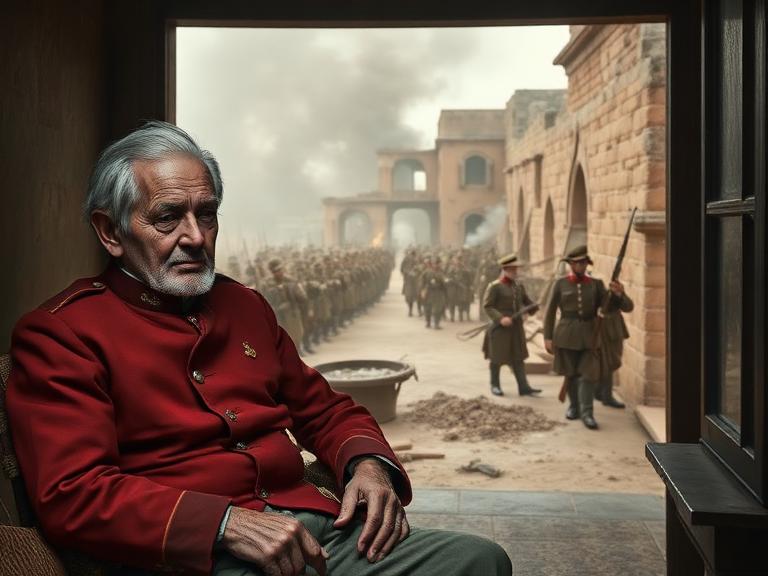
Sergeant James Pearson, an Irish-born recipient of the Victoria Cross, died at Poonamallee near Madras on 23 January 1900, aged seventy-seven. Born at Rathdowney in Queen’s County on 2 October 1822, he had spent much of his adult life in India. Pearson first entered military service with the 86th Regiment of Foot, later associated with the Royal Irish Rifles, and rose from private soldier to sergeant. His reputation rested upon two acts of gallantry during the violent Central India campaign of 1858, when British forces fought to suppress the widespread uprising against East India Company rule.
Read Article
Painter Born
Maurice Joseph MacGonigal was born in Ranelagh, Dublin, on 22 January 1900, the only son and third child of Francis MacGonigal and Caroline Lane. His father was a painter and decorator from County Sligo, while his mother belonged to a family already connected with Irish craftsmanship and art. Growing up within that environment exposed him to colour, design and skilled manual work long before he entered formal training. The child born in suburban Dublin would eventually become an influential painter, teacher and administrator whose landscapes, portraits and scenes of Irish life secured him a prominent place in twentieth-century Irish art.
Read Article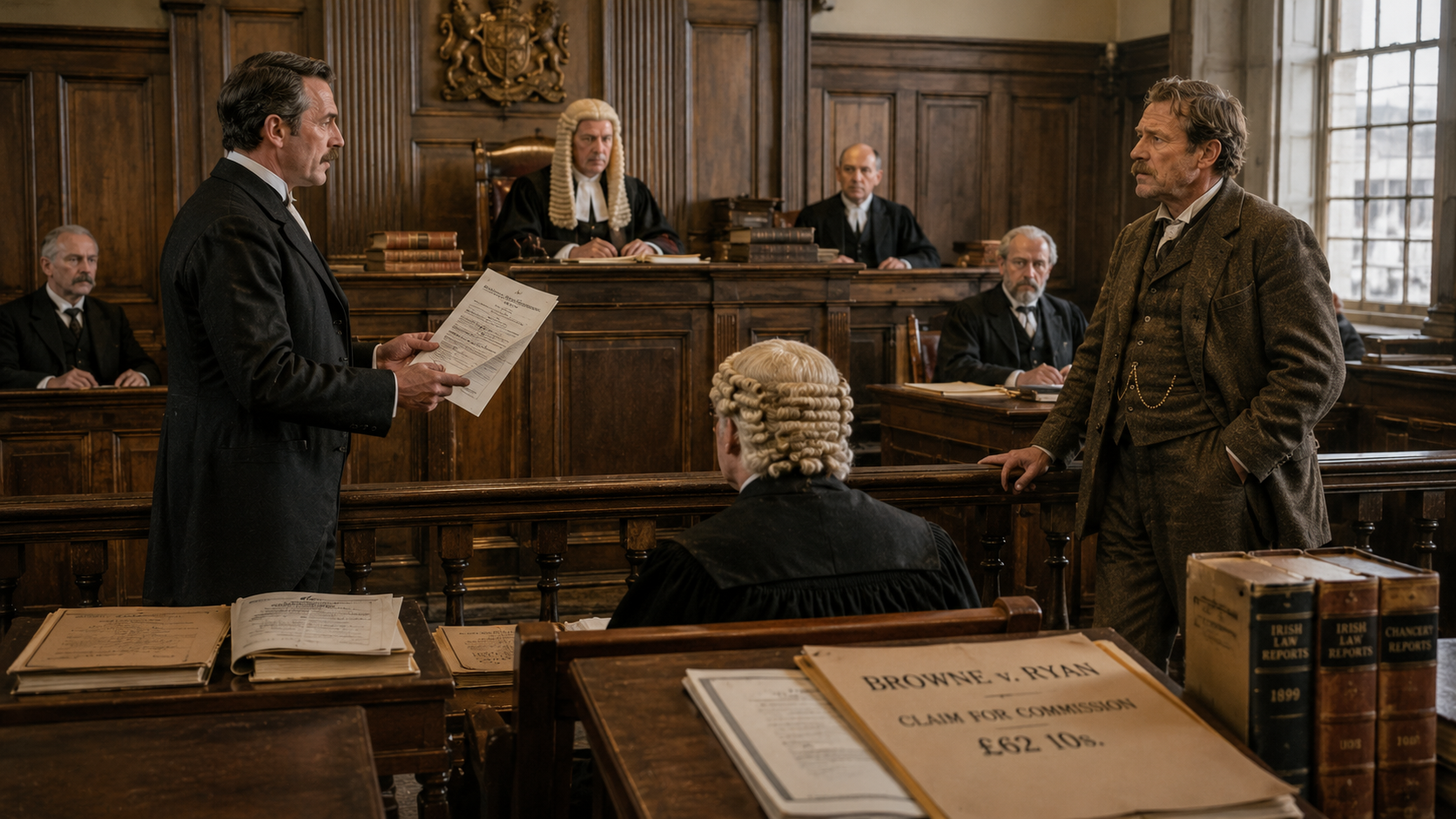
Mortgage Fetter
A mortgage dispute involving County Limerick auctioneer John Browne and Patrick Ryan, a farmer of Ryaninch in County Tipperary, reached the Irish courts in 1900 after Browne sought £62 10s in commission from the sale of Ryan’s property. What appeared to be an ordinary contractual claim raised a larger question about the limits placed upon mortgage lenders. Browne relied upon a separate agreement connected with a £200 loan, but Ryan argued that its terms improperly burdened his right to redeem the mortgaged land and recover complete control once the debt had been repaid.
Read Article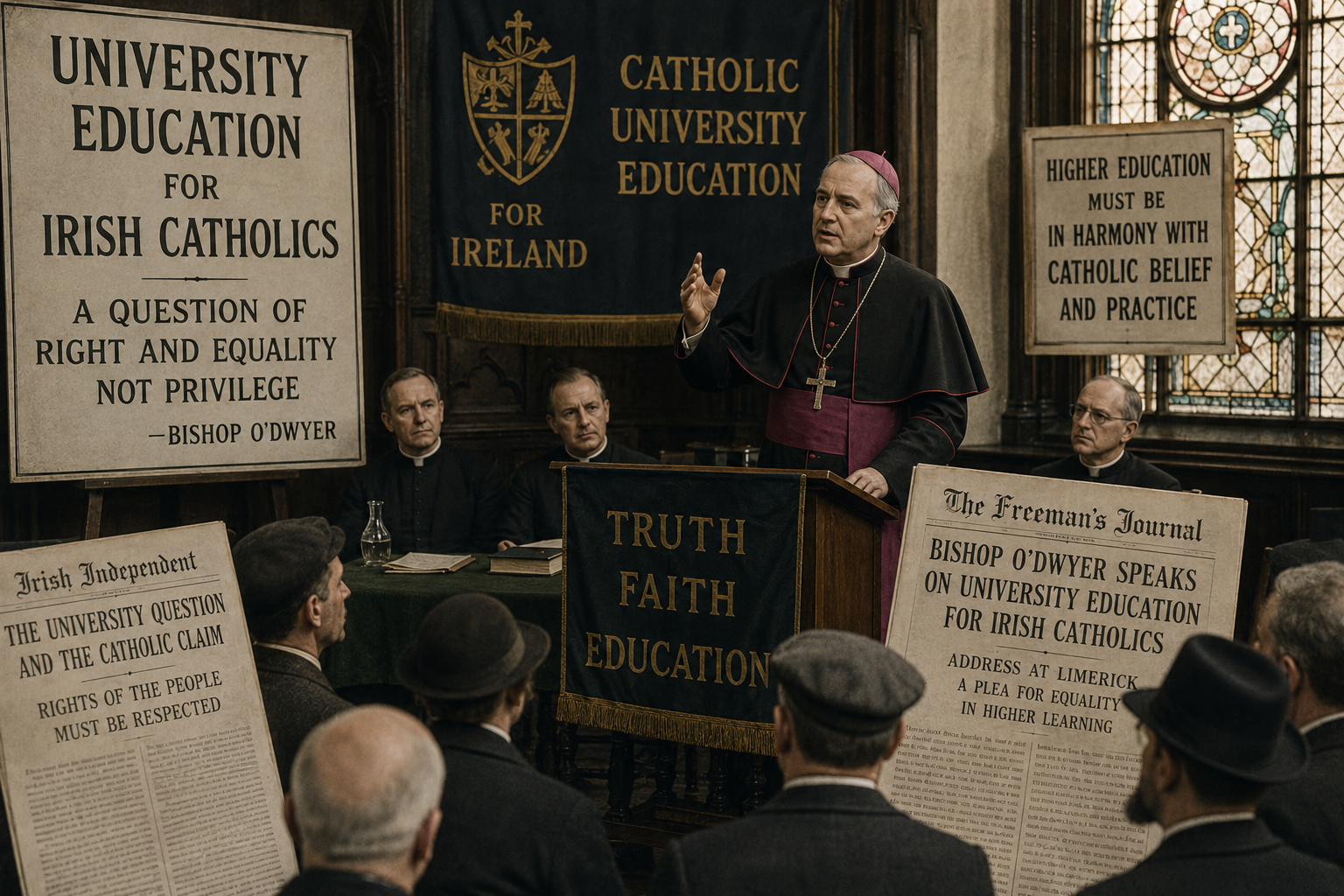
University Demand
Bishop Edward Thomas O’Dwyer of Limerick delivered a prominent intervention in the continuing dispute over university education for Irish Catholics. He argued that the existing system failed to provide higher education on terms acceptable to the religious convictions of most of Ireland’s population. Catholic students could enter Trinity College Dublin or prepare for examinations through institutions connected with the Royal University, but church leaders maintained that neither arrangement offered a complete university environment shaped by Catholic belief and practice. O’Dwyer presented the question as one of educational equality rather than a request for clerical privilege.
Read Article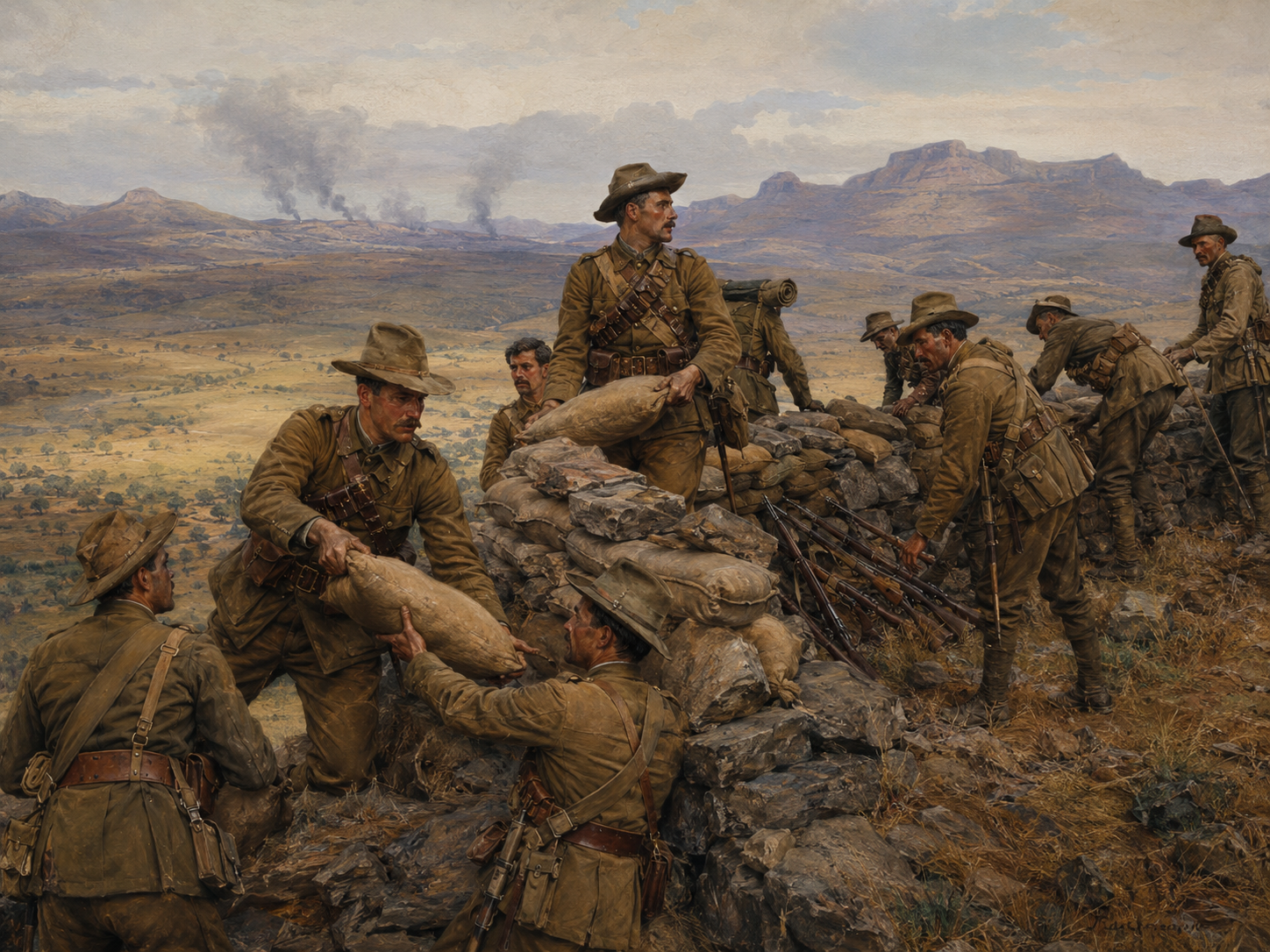
Militia Mobilised
The South African War entered everyday life in Limerick during 1900 when the Royal Limerick County Militia was embodied for extended military service. Since the army reforms of 1881, the historic county force had formed the 5th Battalion of the Royal Munster Fusiliers and maintained its local headquarters at Strand Barracks. Its mobilisation connected families throughout Limerick city and county with the wider demands of an imperial conflict. Although the battalion did not campaign against the Boers as a complete unit, its men undertook duties that released regular soldiers for service elsewhere.
Read Article