


Related Archive: Charitable Infirmary

Fishamble Messiah

Fishamble Messiah

Archived: 13 October 2026

Abstract

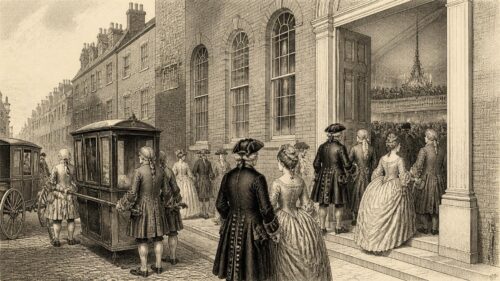
In 1742, Ireland remained weakened by the Great Frost famine, with hunger, disease and poverty continuing despite improving conditions. Recovery efforts included the Cope’s voyage carrying Tyrone coal to Dublin via the new Newry navigation, demonstrating improved transport and trade potential. Dublin’s cultural life produced Handel’s Messiah, first performed in Fishamble Street on 13 April for hospitals and imprisoned debtors. Government operated without a parliamentary session through Dublin Castle proclamations, while religious inequalities persisted. Jonathan Swift’s incapacity and Archbishop Hugh Boulter’s death marked losses within the established order. The year combined charitable action, infrastructure, cultural achievement and lingering social crisis.

Read Article

Ulster Emigration

Ulster Emigration

Archived: 13 October 2026

Abstract

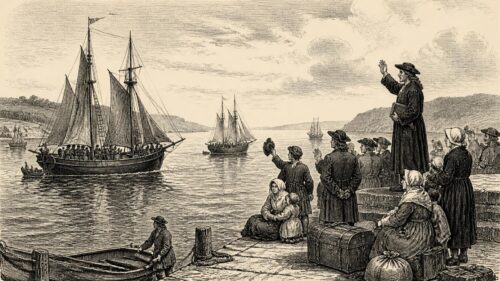
In 1718, Ireland’s significant developments centred on migration, religion and voluntary institutions rather than rebellion. Five vessels carried Presbyterian emigrants from Ulster to Boston, beginning a durable Atlantic movement driven by tenancy insecurity, economic pressures, religious disabilities and colonial opportunity. Ireland’s Protestant ruling order continued to disadvantage Catholics and dissenters, while Sherlock v Annesley highlighted contested Irish autonomy. Six surgeons founded Dublin’s Cook Street infirmary for injured poor, precursor to Jervis Street Hospital. A Ballybough cemetery lease recorded Jewish life. Church appointments and Catholic diocesan administration demonstrated competing authorities, while Thomas Parnell’s death connected Irish culture with British literary networks.

Read Article

