Archived: 12 October 2026
Abstract
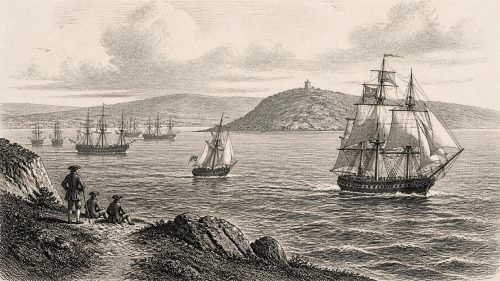
In 1777, Ireland felt the American war through disrupted markets, privateering and insecurity in the Irish Sea. Lord Buckinghamshire’s new Dublin Castle administration sought to preserve a system constrained by Westminster, franchises and Catholic exclusion. American privateers near Howth delayed linen shipping, threatening credit, employment and trade. Loss of colonial markets and provision embargoes exposed Ireland’s narrow, regulated economy. Thomas Campbell’s published survey criticised uneven development, inadequate institutions and penal exclusions, while advocating union rather than separation. Dublin’s theatre and print culture remained active. The year foreshadowed later Volunteer and free-trade crises, but did not deliver constitutional or commercial reform.
Read Article
Archived: 12 October 2026
Abstract
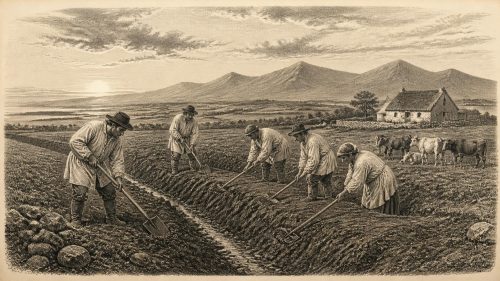
In 1762, Spain’s entry into the Seven Years’ War heightened fears of invasion, prompting Lord Lieutenant Halifax to review Irish defences amid privateering and controls on provisioning. Dublin’s Protestant parliament considered, but London rejected, septennial parliaments; legislation reinforced Protestant land titles while regulating commerce, roads and urban services. In Munster, Whiteboy protest spread against enclosure, rents, tithes and exactions, provoking troops and arrests but reflecting agrarian distress rather than a sectarian conspiracy. Dublin also saw church building, civic regulations and Macklin’s comedy. Halifax left in May; a December Anglo-Spanish armistice reduced danger without resolving Ireland’s religious, constitutional or rural inequalities.
Read Article





