


Archived: 1 October 2026
Abstract
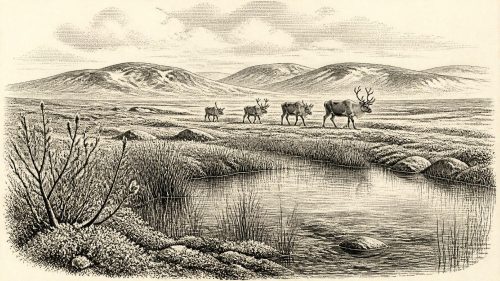
30,424 BCE is a modern chronological label, not a recoverable Irish year. Derryvree, County Fermanagh, preserves freshwater silts between glacial tills, dated broadly to Marine Isotope Stage 3. Its plants indicate tundra vegetation, wet margins and periglacial conditions during an ice-free interval, although they cannot describe all Ireland. Lower sea levels and expanding ice created changing landscapes and uncertain connections with Britain and Europe. Castlepook Cave records diverse cold-adapted fauna over a long period, not a single ecosystem. A possibly cut-marked reindeer bone may indicate fleeting human activity, but no secure contemporary settlement exists. Environmental change chiefly defines this period.
Read Article
Archived: 10 September 2026
Abstract
About 31,814 BCE, Ireland lay within the climatically unstable later Marine Isotope Stage 3, although no evidence permits dating events to a single year. Derryvree, County Fermanagh, preserves freshwater silts beneath later tills, indicating a cold, open, treeless tundra with ponds, mosses and sparse vegetation. Southern caves, particularly Castlepook, contain remains of cold-stage mammals, but mixed deposits and revised dates prevent reconstructing one contemporary fauna. A cut-marked reindeer femur may indicate Upper Palaeolithic human processing, yet lacks secure archaeological context and proves neither settlement nor population. Ireland was a shifting, intermittently habitable glacial frontier documented by sediments, bones and ice.
Read Article


