Archived: 12 October 2026
Abstract
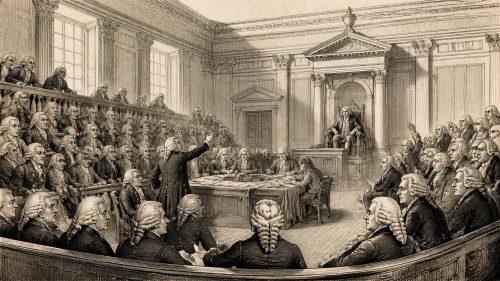
In 1769, Ireland’s octennial parliament confronted Dublin Castle when the Commons rejected a supply bill, 94–71, insisting that money measures must originate in the House rather than under Poynings’ Law. The dispute reflected Townshend’s effort to end dependence on undertakers Ponsonby and Shannon, while securing an enlarged army, approved in December. Catholic exclusion and borough franchises framed this Protestant contest. Elsewhere, James Agar was killed by Henry Flood in a Callan patronage feud; authorities suppressed labour combinations; Shannon navigation improvements culminated; and the Hibernian Society gained its charter. The supply vote exposed limits and prompted Castle plans to reshape administration.
Read Article
Archived: 12 October 2026
Abstract
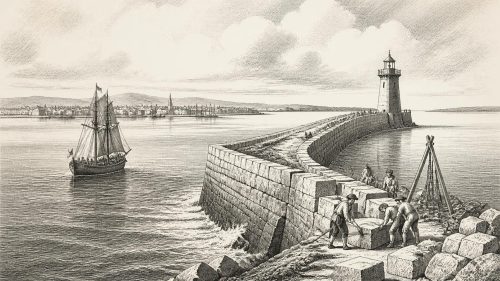
In 1768, Ireland’s Octennial Act received royal assent, limiting parliaments to eight years and prompting dissolution of the 1761 parliament and summer elections. Championed by Charles Lucas, it established regular electoral expectations but preserved Poynings’ Law, Protestant dominance and Catholic exclusion. Lord Lieutenant George Townshend’s proposed expansion of the Irish army was narrowly rejected, exposing conflict between Dublin Castle and parliamentary undertakers and encouraging his later patronage strategy. The new parliament did not sit until 1769. Elsewhere, Frederick Hervey became bishop of Derry, John O’Brien’s Irish-English dictionary appeared in Paris, and Poolbeg’s maritime works advanced Dublin’s commercial access and navigation.
Read Article
Archived: 12 October 2026
Abstract
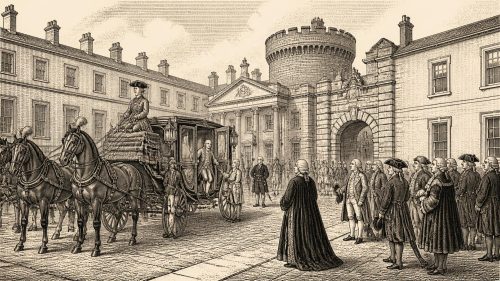
In 1767 George Townshend became resident lord lieutenant, strengthening Dublin Castle’s presence and preparing conflict with parliamentary undertakers led by John Ponsonby. Parliament debated increased Irish funding for imperial troops alongside proposals for regular parliaments and secure judicial tenure, though settlement came later. In Belfast, Lord Donegall’s extensive leases reshaped property, encouraged development and served estate income within the expanding linen economy. Dublin’s Magdalen Asylum, founded by Lady Arabella Denny, provided Protestant women relief, work and strict moral supervision. John O’Keeffe’s theatrical debut reflected cultural vitality. Together, these developments exposed Ireland’s commercial and institutional change amid narrow Protestant political control.
Read Article





