

Related Archive: Glún Iairn

Glún Iairn’s Fatal Cup

Glún Iairn’s Fatal Cup

Archived: 26 October 2026

Abstract

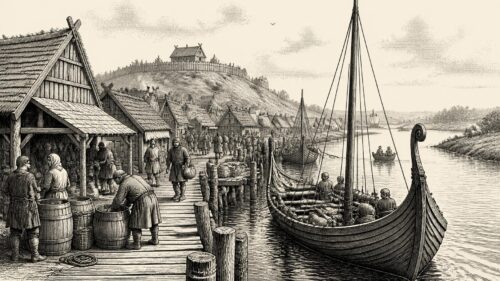
The annals for 989 preserve a year of abrupt reversals. Ireland was not a single kingdom, nor was its political life divided neatly between ‘Irish’ and ‘Viking’. Kingship was exercised through shifting local alliances, hostage-taking, tribute, raiding and control of major churches. The most striking entry is the death of Glún Iairn, king of the foreigners of Dublin, killed while drunk by his own slave. Yet 989 mattered just as much in the north: Dún Lethglaise, modern Downpatrick, was plundered and burned; a ruler of the Isles was killed in Dál Riata; and the successor of St Patrick at Armagh

Read Article

Glendalough and Glún Iairn

Glendalough and Glún Iairn

Archived: 26 October 2026

Abstract

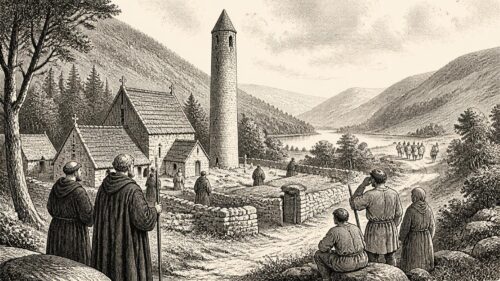
In 983, amid disputed annalistic dating, Ireland experienced overlapping conflicts rather than a unified war. Máel Sechnaill of Mide and his Dublin half-brother Glún Iairn routed Domnall Claen of Leinster and Ímar of Waterford, then ravaged Leinster. Dubliners plundered the wealthy monastic centre of Glendalough, illustrating the town’s complex political role. Brian mac Cennétig launched a fleet expedition into Connacht, suffered losses, and extended pressure through Osraige and Leinster by plunder and hostage-taking. Annals note ecclesiastical deaths at Lismore and Armagh, revealing institutions enduring amid warfare. The year demonstrates interconnected yet fragmented powers competing through kinship, raiding, waterways and coercion.

Read Article

