Archived: 31 October 2026
Abstract
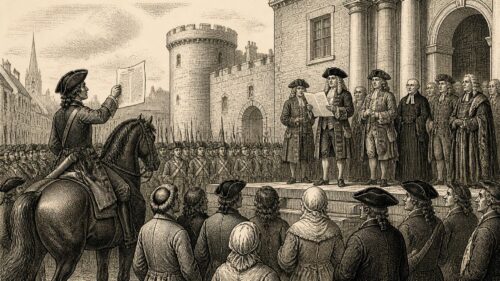
In 1714, Ireland experienced the formal succession from Queen Anne to George I, while Protestant rule remained insecure and unequal. A prorogued, restricted parliament left Dublin Castle dependent on proclamations, magistrates, clergy and military networks. Before and after Anne’s death, officials targeted robbery, Catholic arms and clergy, Jacobite recruitment, non-jurors, seditious print and rural violence, revealing fears rather than evidence of rebellion. George was proclaimed across Ireland on 6 August, followed immediately by Catholic disarmament and liturgical changes. Notices also regulated peace, foreign coin and public worship. The year’s records show Hanoverian authority consolidated through ritual, surveillance and penal control.
Read Article
Archived: 26 October 2026
Abstract
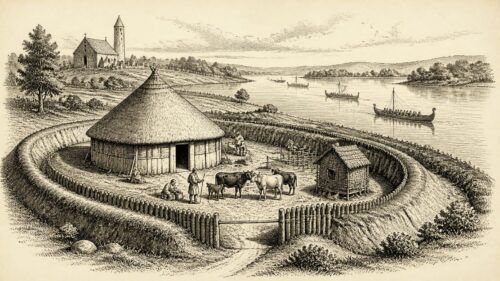
Annals conventionally place 993 amid a major mortality of people, cattle and bees, though its cause, scale and chronology remain uncertain. This crisis threatened subsistence, wealth and ecclesiastical resources. Political violence killed several local rulers in the midlands, Connacht and west, revealing fragmented lordship and Máel Sechnaill’s interventions. Brian of Munster led a naval expedition from Lough Ree towards Bréifne, while Mide suffered devastation and Dublin’s Norse-Gaelic politics remained unsettled. Meanwhile, Muirecán, Patrick’s successor, visited Cenél nÉogain and publicly affirmed Áed’s royal standing. The notices portray interconnected warfare, church authority, riverine mobility and vulnerable rural life throughout Ireland in 993.
Read Article
Archived: 26 October 2026
Abstract
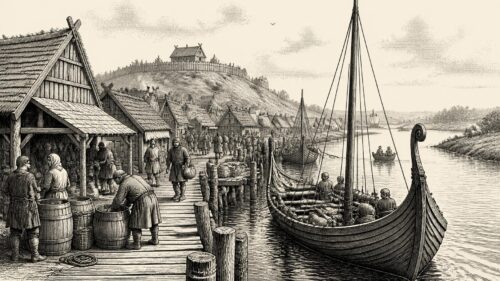
The annals for 989 preserve a year of abrupt reversals. Ireland was not a single kingdom, nor was its political life divided neatly between ‘Irish’ and ‘Viking’. Kingship was exercised through shifting local alliances, hostage-taking, tribute, raiding and control of major churches. The most striking entry is the death of Glún Iairn, king of the foreigners of Dublin, killed while drunk by his own slave. Yet 989 mattered just as much in the north: Dún Lethglaise, modern Downpatrick, was plundered and burned; a ruler of the Isles was killed in Dál Riata; and the successor of St Patrick at Armagh
Read Article
Archived: 26 October 2026
Abstract
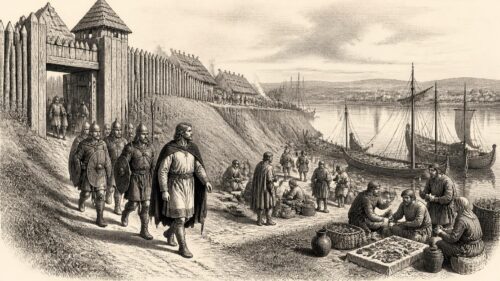
For Ireland, 979 is a year best approached through a small but unusually revealing cluster of annalistic notices. No surviving source supplies a continuous narrative, and none explains every motive or consequence. Yet the recorded capture of Domnall Claen, king of Leinster, by the foreigners of Dublin exposes the political weight of the Hiberno-Norse town at the mouth of the Liffey. Deaths and killings among rulers in Offaly, Dál Araide and Cenél Conaill show, at the same time, that power remained fragmented across many regional kingdoms. Notices of a Kildare church leader, a Clonmacnoise scholar-cleric and a foremost man of
Read Article
Archived: 26 October 2026
Abstract
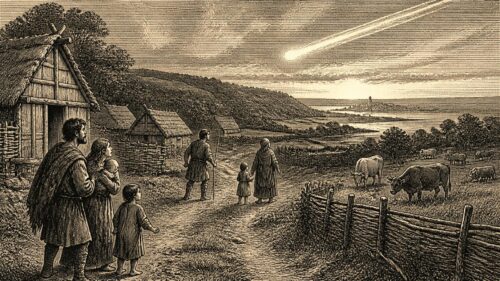
Conventionally assigned to 961, though annalistic chronologies differ, the year is chiefly marked by a reported fiery arrow travelling across Leinster from the south-west towards Áth Cliath, killing people and livestock. Its nature and stated thousand deaths remain unverifiable, but the notice records an exceptional environmental shock affecting agrarian communities and Dublin’s hinterland. The annals also note deaths of rulers in Uí Briúin Seóla, Dartraige and Cashel, the latter two killed by their own people, revealing unstable regional lordship. Ecclesiastical leaders at Clogher, Cork and Lismore died, underscoring churches’ institutional importance. Together, the entries depict politically fragmented, interconnected tenth-century Ireland.
Read Article
Archived: 27 October 2026
Abstract
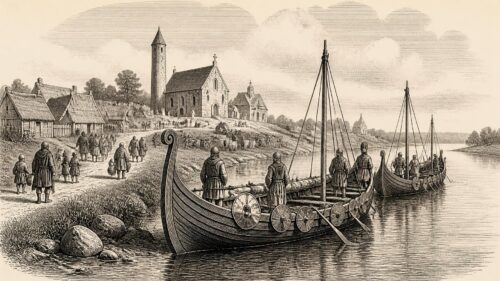
In 936, Dublin-based foreigners plundered Clonmacnoise and occupied it for two nights, an exceptional affront to the major Shannon ecclesiastical and trading settlement. Chronicon Scotorum also records a further plundering by Cellachán of Cashel and Munster men. Foreign crews from Lough Erne reached Lough Ree, demonstrating waterways’ strategic value and exposing central Ireland to prolonged raiding. Donnchad Donn, king of Temair, burned Dublin, illustrating contested rather than centralised power. Armagh lost two successive senior church leaders, Ioseph and Máel Pátraic, while Aniudán, king of Corcu Modruad, died. These events reveal competing regional powers, vulnerable churches, and insecure communications throughout Ireland.
Read Article
Archived: 28 October 2026
Abstract
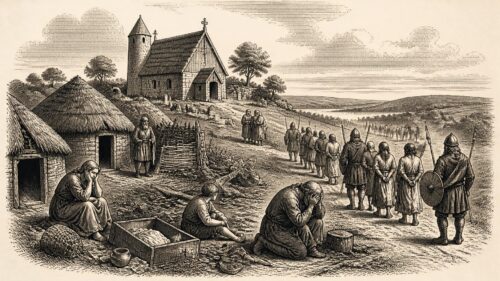
In 895, during the year, according to annalistic chronology, Dublin raiders led by Glún Iarainn plundered Armagh, reportedly carrying off 710 captives and damaging its church. The attack exposed the vulnerability of a major ecclesiastical and political centre. Elsewhere, Dub Lachtna of Caisel and churchman Máel Petair died; Cellach, Brega’s leading heir, was treacherously killed; and Muiredach of Ulaid fell in regional conflict. Heavy snowfall and great scarcity disrupted subsistence, likely worsening hardship without proving direct causes for violence. These fragmented records portray Ireland as interconnected kingdoms and churches, where sacred wealth, political succession, and ordinary survival remained precariously entwined.
Read Article
Archived: 29 October 2026
Abstract
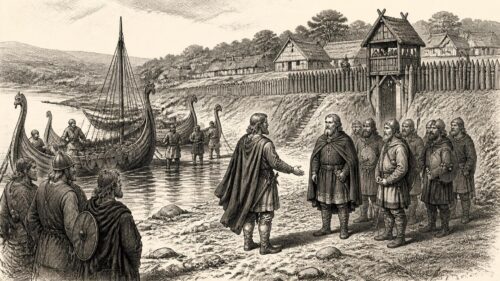
In 853, Amlaíb, son of the king of Laithlind, arrived in Ireland, where Scandinavian groups submitted to him and tribute was extracted from Irish communities. Although often linked with Norway, Laithlind’s location remains uncertain, and the annals do not establish a unified foreign conquest. The year also saw Norsemen kill Cathmal, co-king of Ulaid; Echtigern of south Leinster murdered in an internal struggle; and Áilgenán, king of Cashel, die. Local Munster successions and deaths of prominent clerics reflected Ireland’s multiple political and ecclesiastical centres. Annalistic dating varies, while evidence chiefly records elites, violence and exceptional events, leaving ordinary life obscure.
Read Article





