Archived: 23 September 2026
Abstract
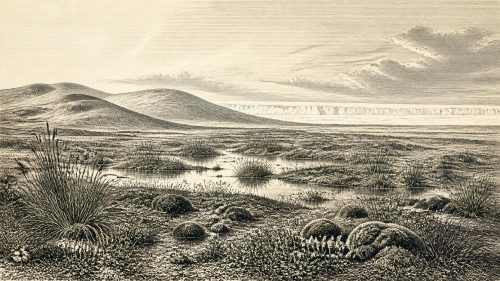
30,802 BCE is a modern label within Marine Isotope Stage 3, not a precisely recoverable Irish year. At Derryvree near Maguiresbridge, Fermanagh, freshwater organic silts between two tills record a cold, treeless tundra wetland during an interval of glacial retreat, later sealed by returning ice. Plants, pollen and insects show productive but severe conditions. Castlepook Cave, Cork, preserves a mixed late Pleistocene fauna, including cold-adapted mammals, though its deposits cannot represent one community or moment. A marked reindeer femur may indicate brief human butchery, but remains inconclusive. Evidence reveals environmental instability, not settled societies, institutions or permanent human occupation there.
Read Article
Archived: 21 September 2026
Abstract
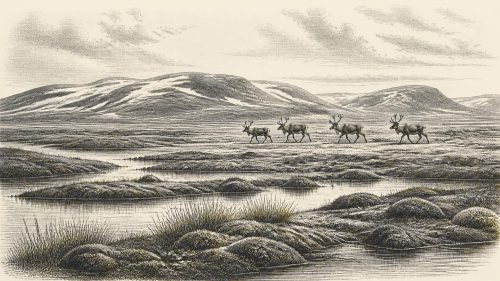
Around 30,953 BCE, Ireland lay within Greenland Stadial 5, a climatically unstable Late Pleistocene cold interval rather than a recordable historical year. Ice advanced and retreated, leaving varied local environments. At Derryvree, County Fermanagh, freshwater sediments between tills show that treeless, cold wetlands supported plants during an ice-free phase. Castlepook Cave, County Cork, preserves remains of Ice Age mammals and predators, though they do not form a single contemporary fauna. A possibly stone-tool-cut reindeer bone suggests brief human carcass processing, but not settlement. No evidence supports societies, farming or trade. These records portray changing habitats before the Last Glacial Maximum.
Read Article





