

Related Archive: Ireland 1470s

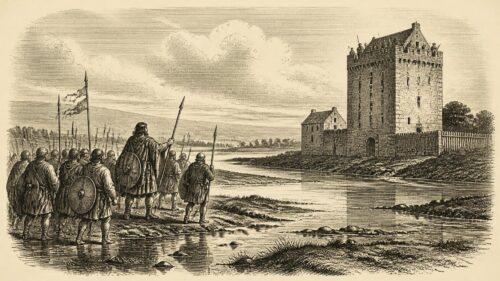
Bel-Feirste Broken

Bel-Feirste Broken

Archived: 19 October 2026

Abstract

In 1476, Ireland’s competing lordships combined warfare, negotiation and institutional continuity. Henry Ó Néill captured and demolished Bel-Feirste castle, while raiding Oirghialla; Clandeboye survived. Maguire succession in Fermanagh was destabilised by killings and deaths. In Connacht, brief seizures of Roscommon castle exposed fragile authority, whereas Mac William Burke and Aodh Ruadh Ó Domhnaill negotiated a division of Lower Connacht after confrontation. English forces devastated crops, a monastery and settlements in the midlands. Dublin lordship maintained parliamentary, fiscal and legal activity. Annals also recorded prominent poets, clerics and scholars, revealing interconnected political, religious and learned cultures amid violence across the island.

Read Article

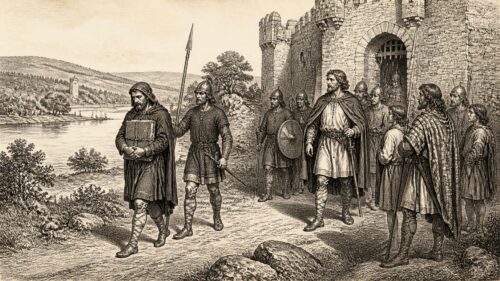
Sligo’s Captive Manuscripts

Sligo’s Captive Manuscripts

Archived: 19 October 2026

Abstract

In 1470, Ireland remained politically fragmented, with the English lordship largely confined to the Pale while Gaelic and Gaelicised dynasties contested power through warfare, alliances, tribute and inauguration. Enrí Ó Néill campaigned in Clandeboye and faced internal rivalry; plague struck Fermanagh amid Maguire succession disputes. Aodh Ruadh Ó Domhnaill captured Sligo Castle, gained Lower Connacht’s submission and recovered Leabhar na hUidre and other dynastic treasures, though his Breifne intervention failed. Thomas FitzGerald became chief governor as parliament addressed local Pale concerns. John Ó Conchobair Kerry founded the Franciscan house at Lislaughtin there, illustrating lordly patronage alongside conflict and cultural prestige.

Read Article

