
Archived: 18 October 2026
Abstract
In 1555 An Calbhach Ó Domhnaill, aided by Archibald Campbell’s Scottish troops and artillery, overthrew and imprisoned his father Manus, lord of Tír Chonaill, initiating prolonged conflict and devastation in Donegal. The coup demonstrated Gaelic rulers’ reliance on maritime alliances, mercenaries, castles and gunpowder. Elsewhere, Hugh Ó Néill of Upper Clandeboye was killed by Scottish gunfire, amid enduring MacDonnell expansion in Ulster. Dublin’s authority remained limited, while annalistic dating of official campaigns requires caution. Marian restoration included papal recognition of Philip and Mary and St Patrick’s cathedral’s revival. Notices from Thomond and Youghal reveal negotiated regional politics and overseas links.
Read Article
Archived: 18 October 2026
Abstract
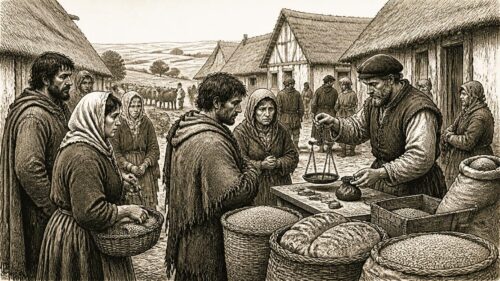
In 1545, Ireland experienced interconnected local conflicts, Tudor military demands, scarcity and religious complexity. Cathaoir MacMurrough Kavanagh defeated rivals near Hacketstown, while An Calbhach O’Donnell strengthened his position through dynastic violence in Tír Chonaill. Elsewhere, disputes involving Sligo, Moylurg and O’Rourke reflected fractured lordship. Henry VIII ordered Irish troops for Scotland under Ormond, exposing rivalry between Ormond and Lord Deputy St Leger. Annals recorded severe dearth and costly bread in Connacht and Meath amid debased currency. Papal appointment in Killala, changes at Christ Church, and the death of scholar Piers Ó Muirgheasa demonstrate enduring ecclesiastical and learned traditions across Ireland.
Read Article

Archived: 18 October 2026
Abstract
In 1540 Ireland remained divided between Tudor authority and powerful Gaelic lordships. Leonard Grey left office and was arrested, while Sir Anthony St Leger became Lord Deputy, pursuing cooperation rather than immediate universal warfare. Manus Ó Domhnaill sent Henry VIII an apologetic letter via Bristol, signalling negotiation without submission. Crown commissioners surveyed dissolved monasteries, redirecting wealth where English power reached, while Franciscan patronage survived in Thomond and violence accompanied suppression at Monaghan. Gaelic rulers built castles, conducted campaigns, took hostages and fought dynastic conflicts. Thus, administrative reform, religious change, Irish Sea diplomacy and regional warfare coexisted, leaving Tudor control incomplete.
Read Article
Archived: 18 October 2026
Abstract
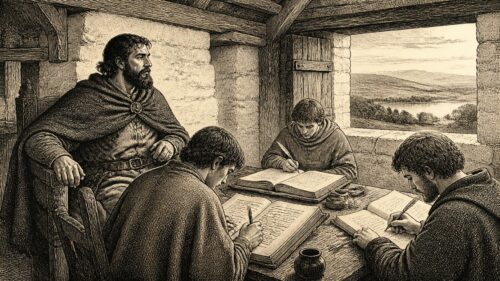
In 1532 Gerald FitzGerald, ninth earl of Kildare, regained the deputyship, yet royal authority remained dependent on alliances with Anglo-Irish and Gaelic lords. Campaigning in Ulster, disputed in date between 1531 and 1532, devastated Tír Eógain through burning, plunder and cattle seizure. In Ely, Kildare supported his son-in-law Ferganainm Ó Carroll during the Birr succession struggle, where he was seriously wounded by gunfire. Feuds continued across Ossory, Connacht and the north-west, occasionally violating sanctuary. Amid violence, Manus Ó Domhnaill compiled Betha Colaim Chille at Lifford, affirming Catholic learning, Irish vernacular culture, dynastic prestige and Colum Cille’s regional importance, lasting significance.
Read Article
Archived: 18 October 2026
Abstract
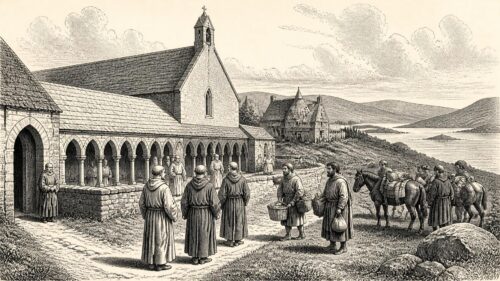
In 1530, Ireland remained divided among the Pale, Anglo-Irish magnates and Gaelic lordships. Gerald FitzGerald, ninth Earl of Kildare, returned from England alongside the new deputy, Sir William Skeffington, whose government relied uneasily on Kildare’s influence. Their forces compelled midland submissions from the O’Mores and O’Connors. Aodh Dubh O’Donnell raided Connacht and Breifne, extracting tribute, burning settlements and making temporary peace. Donegal hosted a Franciscan chapter lavishly supported by O’Donnell patronage. Annals also record deaths, dynastic killings and hospitality, illustrating authority founded on armed followings, negotiated settlements, religious patronage and household generosity rather than stable national rule throughout the island.
Read Article
Archived: 18 October 2026
Abstract
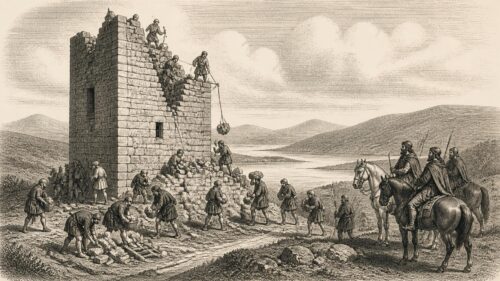
In 1529, local violence, succession and cautious royal intervention shaped Ireland. In Tír Chonaill, Manus Ó Domhnaill captured and demolished Castleforward after a Scottish MacDubhghaill was killed there, weakening a rival power centre amid family conflict. Annals recorded killings and feuds across Ulster, involving lords, clergy and ruling kindreds. James fitz Maurice FitzGerald, earl of Desmond, died without a legitimate son, succeeded by his elderly uncle Thomas, whose alliances helped secure Munster interests. Sir William Skeffington negotiated peace between Desmond and Ossory while assessing royal authority. Learned jurists and poets also died, demonstrating the continuing importance of Gaelic professional culture.
Read Article
Archived: 18 October 2026
Abstract
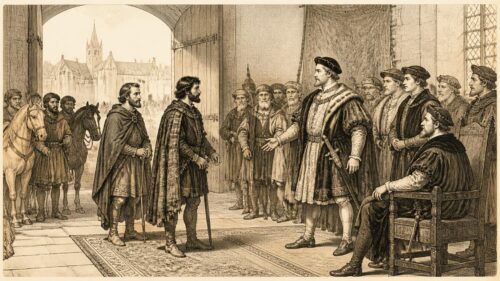
In 1525, Gerald FitzGerald, ninth earl of Kildare and lord deputy, convened a great Dublin council between Conn Bacach Ó Néill and Aodh Dubh Ó Domhnaill, but failed to resolve their Ulster rivalry over Inishowen. Ó Domhnaill subsequently raided Tír Eoghain, before autumn arbitration by Kildare and Manus Ó Domhnaill produced a temporary peace. Kildare also faced conflict with Piers Butler, while Waterford defended its privileges amid anticipated parliamentary action. The murder of Bishop Maurice Doran of Leighlin prompted brutal reprisals. Annals recorded deaths, hospitality, learning and religious observance, demonstrating that Dublin’s authority depended upon negotiation with powerful autonomous lordships.
Read Article
Archived: 18 October 2026
Abstract
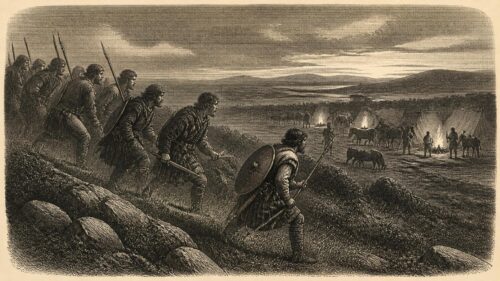
In 1522, Aodh Dubh Ó Domhnaill defeated Conn Bacach Ó Néill’s extensive coalition at a surprise night attack at Cnoc Buidhe, or Knockavoe, near Strabane. Conn’s allies included Ulster lords, Connacht and Munster contingents, men from Meath and Leinster, and Scottish mercenaries. Earlier raids captured Ballyshannon, burned settlements and seized livestock, damaging Tír Chonaill’s communities and resources. Ó Domhnaill’s victory disrupted the coalition’s planned advance from Sligo and preserved his lordship, though warfare continued into 1523. The campaign demonstrated Ireland’s interconnected political and maritime world, while annalistic notices also recorded churchmen, scholars and the wartime deaths of learned household members.
Read Article
Archived: 18 October 2026
Abstract
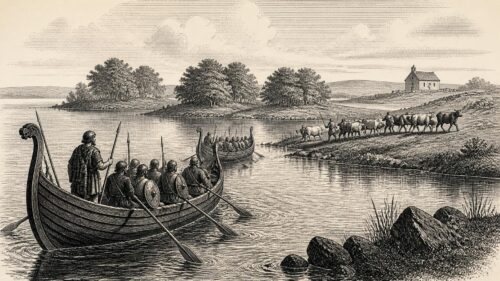
Annals for 1515 depict a politically fragmented Ireland shaped by cattle raiding, dynastic rivalry, fortified lordships and ecclesiastical life. Aodh Dubh Ó Domhnaill raided MacDermot territory, suffered a wound, and attacked Maguire lands by fleet on Lough Erne; Art Óg Ó Néill exploited his weakness in Clandeboye and campaigned in Oriel. On 25 November, Domnall Ó Domhnaill, tánaiste of Tír Chonaill, was fatally wounded by a kinsman, intensifying succession tensions. Desmond relatives contested castles in Munster, while bishops and clerics died or faced violence. Kildare retained royal favour, whereas Ormond’s death without a male heir sharpened future political rivalry thereafter.
Read Article
Archived: 19 October 2026
Abstract
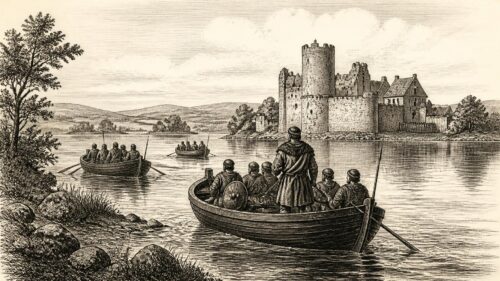
In 1508 Aodh Óg Ó Domhnaill transformed power in Fermanagh by travelling across Lough Erne, capturing Enniskillen castle from Ruaidhrí Mag Uidhir, installing a rival Maguire and taking hostages. His expeditions also reached Lower Connacht, illustrating negotiated, military lordship. Elsewhere, feuds produced killings, raids, castle destruction, exile and attacks around churches, including a St Patrick’s Day defence at Domhnach Mhaighe Dá Chlaoine. Eoghan Ó Ruairc and Margaret O’Brien began the Franciscan friary at Creevelea, demonstrating aristocratic patronage. Annals also record clerical deaths, hospitality and learning. In the Pale, parliament authorised taxation, revealing overlapping Gaelic and English political systems within Ireland.
Read Article
Archived: 19 October 2026
Abstract
In 1505, Aodh Ruadh Ó Domhnaill died at Donegal after forty-four years as lord of Tír Chonaill and was buried in its Franciscan friary. His son, Aodh Dubh, secured succession through a campaign in Tír Eógain, taking Castlederg, before inauguration at Kilmacrenan. Feuds killed military and local leaders, while drowning claimed travellers on Finn Lough. Persistent rain ruined crops, particularly in Fermanagh, and plague affected Anglo-Irish nobles. Churchmen experienced both institutional continuity and violence. Meanwhile, Gerald FitzGerald received the Garter and Piers Butler became seneschal of Tipperary, illustrating Ireland’s plural, alliance-based political order during a year of contested regional authority.
Read Article

Archived: 19 October 2026
Abstract
In 1500, Ireland experienced local conflicts, disasters and environmental hardship rather than a single national crisis. Aodh Ruadh Ó Domhnaill raided Tír Eógain, burning Dungannon and its strongholds, while Kildare’s intervention in Ó Néill territory proved temporary. Succession changed Breifne’s rulership, and killings, livestock raids and castle-building marked Fermanagh. Galway was largely destroyed by fire, threatening an important trading port. In Munster, the Barry family feud brought murder and posthumous punishment, while John Maguire executed a notorious horse thief. Prolonged wet weather damaged wheat. The death of Derry’s Franciscan bishop also reflected active religious networks across fragmented but connected lordships.
Read Article

Archived: 19 October 2026
Abstract
In 1497, Ireland remained divided among competing Gaelic and Anglo-Irish lordships despite Henry VII’s nominal authority and Kildare’s Dublin administration. Perkin Warbeck briefly landed at Cork but gained no support before departing for Cornwall. In the south-east, Piers Ruadh Butler killed Sir James Ormond, strengthening his territorial position. Conn Ó Domhnaill succeeded in Tír Chonaill in May, yet succession conflict, defeat and invasion brought his death in October. Local peace-making and raiding continued elsewhere. A severe island-wide famine caused hunger, mortality and extraordinary food prices for communities. Religious developments included regulation of Lough Derg pilgrimage and Franciscan reform at Carrickfergus.
Read Article

Archived: 19 October 2026
Abstract
In 1495, Sir Edward Poynings sought to strengthen Henry VII’s authority in Ireland through the Drogheda parliament, whose measures restricted Irish legislative initiative, while arresting the eighth earl of Kildare; his attainder was reversed later that year. Perkin Warbeck, backed by Desmond and Cork interests, failed after Waterford’s eleven-day land-and-sea defence, preserving a loyal harbour. Elsewhere, Aodh Ruadh Ó Domhnaill’s Scottish alliance and warfare around Sligo, conflicts in Breifne, and lordly rivalries demonstrated fragmented power. Church councils, monasteries, guesthouses, learned families and physicians reveal institutions supporting society. The year exposed Tudor ambitions but confirmed fragmented Irish power across the island.
Read Article
Archived: 19 October 2026
Abstract
In 1493, Conn Ó Néill’s treacherous killing by his brother Henry Óg triggered a contested succession in Tír Eóghain. Backed respectively by Ó Domhnaill and by Uí Chatháin and Uí Mhealláin, Domhnall Clárach and Henry Óg fought at Glasdromainn, where Henry prevailed, though instability continued. Ó Domhnaill’s later Ulster hosting ravaged territories but won no settlement. Across Ireland, killings, raids, burnings and changes of lordship affected Leinster, Offaly, Breifne and Connacht. Gerald FitzGerald, earl of Kildare, visited Henry VII amid political scrutiny. Annals also recorded deaths of clerics, poets and aristocratic women, revealing cultural ties and piety during the year.
Read Article

Archived: 19 October 2026
Abstract
In 1491 Conn Ó Néill of Tír Eógain and Aodh Ruadh Ó Domhnaill of Tír Chonaill sought Gerald FitzGerald, earl of Kildare, to arbitrate their Ulster conflict, but no peace resulted, demonstrating limits to Kildare’s authority. Warfare continued through raids, killings, captivity and contested castles across Ulster, Breifne and borderlands. In east Breifne, John Ua Raghallaigh died, prompting a disputed succession and Kildare’s destructive intervention. Persistent summer and autumn rain ruined Ireland’s grain, particularly in Fermanagh, worsening pressures created by campaigning. Ecclesiastical offices and monasteries remained significant. A post-Christmas wind concluded a year marked by insecurity, authority and environmental hardship.
Read Article
Archived: 19 October 2026
Abstract
In 1490, Ireland’s fragmented political order was shaped by local warfare, disputed succession and negotiated authority. Feidhlimidh Fionn Ó Conchobhair Ruadh defeated rival kinsmen near Croghan before dying, prompting Ruaidhrí’s election and further instability in Connacht. Raids, cattle seizures and crop destruction burdened communities. In Ulster, Ó Néill factions fought over castles, Aodh Óg Ó Domhnaill seized Ballyshannon, and Conn Ó Néill and Aodh Ruadh Ó Domhnaill maintained an armed stalemate. Henry VII summoned Kildare, whose indispensability reflected Dublin’s limited reach. Papal appointments, learned deaths, maritime links and a cautiously reported earthquake reveal an interconnected, unsettled society across the island.
Read Article

Archived: 19 October 2026
Abstract
In 1489, Ireland experienced a severe epidemic, recorded by the annals among ruling, learned, military and ecclesiastical households, though its precise nature and scale remain unknown. A November royal order demanded Dublin remove refuse, dung and swine, reflecting fears that polluted air caused pestilence and harmed commerce and government. Northern lordships remained violent: Conn Ó Néill raided Ó Catháin territory and seized hostages, while dynastic deaths altered regional politics. After harvest, Aodh Ruadh Ó Domhnaill campaigned eastwards, raided the Route, captured Belfast Castle and reportedly demolished it. Despite disaster and conflict, civic, religious, learned and lordly institutions continued functioning precariously.
Read Article
Archived: 19 October 2026
Abstract
In 1488 Sir Richard Edgecombe secured renewed allegiance to Henry VII after Ireland’s leaders had supported Lambert Simnel. At Kinsale, Waterford, Dublin, Drogheda and Trim, towns and magnates received pardons and swore fealty. Gerald FitzGerald, earl of Kildare, negotiated rather than submitted unconditionally, taking a solemn oath at St Thomas’s while retaining his regional power; royal control was reinforced through Dublin Castle. Beyond the Pale, warfare, succession disputes, hostage-taking and alliances shaped Gaelic and Anglo-Irish lordships. Religious reform flourished at Donegal, while deaths from smallpox, losses among learned figures and destructive weather exposed insecurity. The settlement restored cooperation, not rule.
Read Article
Archived: 19 October 2026
Abstract
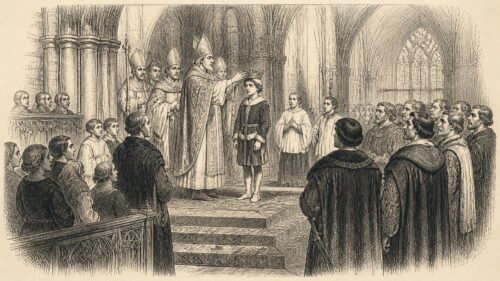
In 1487 Dublin became the base for a Yorkist challenge to Henry VII. Lambert Simnel, presented as Edward, earl of Warwick, was crowned Edward VI at Christ Church, backed by Kildare and elements of the Anglo-Irish clergy and administration. With Lincoln, German mercenaries and approximately 4,000 Irish kerns, the coalition invaded England, but was defeated at Stoke, where many Irishmen, including Thomas FitzGerald, died. Meanwhile, Gaelic lordships endured warfare, killings and contested successions. Severe storms and summer rain damaged buildings and crops. Churches suffered in raids, while poet, historian and legal scholar died. Desmond’s earl was murdered, highlighting FitzGerald instability.
Read Article
Archived: 19 October 2026
Abstract
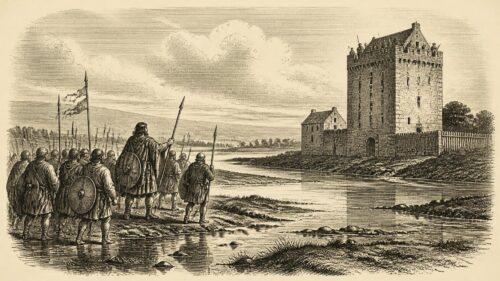
In 1476, Ireland’s competing lordships combined warfare, negotiation and institutional continuity. Henry Ó Néill captured and demolished Bel-Feirste castle, while raiding Oirghialla; Clandeboye survived. Maguire succession in Fermanagh was destabilised by killings and deaths. In Connacht, brief seizures of Roscommon castle exposed fragile authority, whereas Mac William Burke and Aodh Ruadh Ó Domhnaill negotiated a division of Lower Connacht after confrontation. English forces devastated crops, a monastery and settlements in the midlands. Dublin lordship maintained parliamentary, fiscal and legal activity. Annals also recorded prominent poets, clerics and scholars, revealing interconnected political, religious and learned cultures amid violence across the island.
Read Article
Archived: 19 October 2026
Abstract
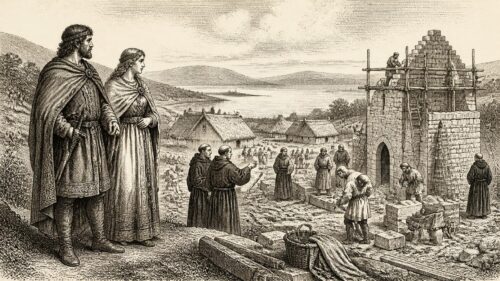
In 1474, Aodh Ruadh Ó Domhnaill and his wife Finola Ó Briain began Donegal’s Franciscan friary, intended as a dynastic mausoleum and declaration of Ó Domhnaill power. Its dating remains uncertain within 1472–74, but annals associate its foundation with 1474. Elsewhere, Ireland remained politically fragmented: Ó Domhnaill fought Ó Neill and Clann Aodha Buidhe; succession, raiding and castle destruction destabilised the midlands; and failed negotiations produced warfare in Connacht and Thomond. Dublin officials feared Scottish intervention. Deaths of bishops and hereditary scholars underline religion’s cultural role. The friary endured as a religious institution amid violence, dynastic competition and weak authority.
Read Article
Archived: 19 October 2026
Abstract
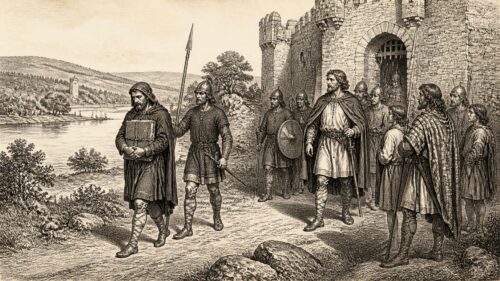
In 1470, Ireland remained politically fragmented, with the English lordship largely confined to the Pale while Gaelic and Gaelicised dynasties contested power through warfare, alliances, tribute and inauguration. Enrí Ó Néill campaigned in Clandeboye and faced internal rivalry; plague struck Fermanagh amid Maguire succession disputes. Aodh Ruadh Ó Domhnaill captured Sligo Castle, gained Lower Connacht’s submission and recovered Leabhar na hUidre and other dynastic treasures, though his Breifne intervention failed. Thomas FitzGerald became chief governor as parliament addressed local Pale concerns. John Ó Conchobair Kerry founded the Franciscan house at Lislaughtin there, illustrating lordly patronage alongside conflict and cultural prestige.
Read Article
Archived: 19 October 2026
Abstract
In 1469, Irish annals record struggles for lordship, wealth and security rather than a unified political order. Aodh Ruadh Ó Domhnaill secured hostages in Lower Connacht, allied with the newly installed Mac William Burke, and burned Claregalway and neighbouring territory during a campaign against Clanricarde, partly revenging 1467. Uí Maine faced disputed succession after Aodh Ó Cellaigh’s murder; Maguire kindreds fought destructive raids in Fermanagh; and the Whites expelled the Savages from Lecale. Death notices for a harpist, historian-hosteller and ecclesiastical coarb illuminate cultural institutions. Violence, alliance, kinship, hostages and resources shaped lordship, while ordinary people remained invisible in sources.
Read Article

Archived: 19 October 2026
Abstract
In 1468, Thomas FitzGerald, earl of Desmond and former deputy of Ireland, was beheaded at Drogheda after arrest by John Tiptoft’s administration, provoking widespread condemnation and retaliatory raids. His execution exposed the fragility of crown authority beyond Dublin and the Pale. Tiptoft’s forces also burned Cavan and its Franciscan monastery. Elsewhere, disputed successions, raids, cattle seizures and warfare convulsed Connacht and Ulster, damaging crops and communities. Annals recorded deaths of lords, churchmen and the historian-poet Torna Ó Maolconaire, emphasising hospitality, learning and religious observance. The year revealed Ireland’s deeply fragmented political order, sustained by often unstable alliances, lordship and coercion.
Read Article
Archived: 20 October 2026
Abstract
In 1464, Ireland was divided among Gaelic lordships, Anglo-Irish magnates, church jurisdictions and Dublin’s limited English administration. Thomas FitzGerald, earl of Desmond and royal lieutenant, negotiated a treaty in Dublin with Mac William Burke and Ó Domhnaill, while rival officials contested authority. Connacht experienced succession wars, burnings, cattle raids, hostage-taking and gallowglass warfare; similar dynastic violence affected Tír Chonaill, Breifne, Fermanagh and Sliabh Lugha. Illness caused numerous deaths, possibly affecting animals. Devotion remained important through miracles, burials and church offerings. On 27 December, Desmond founded Our Lady’s College at Youghal, a collegiate church supporting worship, music, learning and local administration.
Read Article

Archived: 20 October 2026
Abstract
In 1462, Ireland experienced interconnected conflicts, raiding, lordship and institutional development. Butler forces, supported by English followers, contested Desmond control in the south-east; their defeat at Piltown enabled FitzGerald advances, though maritime captures and parliamentary attainder prolonged the struggle. In Ulster, Henry Ó Néill raided Tír Chonaill, devastating districts amid rivalry with Aodh Ruadh Ó Domhnaill, while killings reflected continuing northern instability. Connacht disputes involved ransoms, rents and cattle seizures. Franciscan friars founded a house at Monaghan, and Thomas Cusin taught law in Armagh. These events demonstrate power exercised through warfare, wealth, patronage, fortified places and learning across medieval Ireland.
Read Article

Archived: 20 October 2026
Abstract
In 1461 Ireland experienced famine, warfare and contested lordship rather than a unified national event. At Ceann Maghair, Aodh Ruadh Ó Domhnaill, aided by the Mac Suibhnes of Fanad, defeated and mutilated Toirdhealbhach Cairbreach Ó Domhnaill, securing recognition as ruler of Tír Chonaill. Connacht saw deaths, captures, ransoms and inauguration rituals amid Ó Conchobair rivalries. Raids devastated districts across the Midlands, Meath and Connacht, worsening the recorded nationwide dearth. Annals also commemorated poets, scholars and clergy, revealing learned and ecclesiastical networks dependent on patronage. English dynastic upheaval brought Edward IV's accession and weakened Butler connection through Ormond's execution and attainder.
Read Article
Archived: 20 October 2026
Abstract
In 1456 Enrí Ó Néill consolidated power in northern Ireland after the death of his father, Eóghan, whom he had displaced as ruler of Tír Eóghain in 1455. Allied with Tomás Óg Mag Uidhir, he invaded Inis Eógain, where Domhnall Ó Domhnaill of Tír Conaill was killed on 28 May and opponents captured. Ó Néill installed Toirdelbach Cairbreach Ó Domhnaill, securing acknowledged superiority rather than annexation. Obituaries from Connacht recorded the deaths of Moylurg’s tanist Fergal Mac Diarmata, his daughter Lasarfina, and John Burke. At Lisgabhail, deaths among teachers and fosterage networks reveal ecclesiastical communities, learning, kinship and women’s roles.
Read Article

Archived: 20 October 2026
Abstract
In 1446, Neachtan Ó Domhnaill led an army from Tír Chonaill through Breifne and Connacht, where Mac William of Mayo received and escorted him at Dunamon, demonstrating interlordship alliances and negotiated military movement. Connacht suffered Ó Conchobhair dynastic violence, while Clanricarde intervened in Thomond and mediated a Mac Donnchada partition. Ó Conchobhair Fáilghe raided Meath, exposing the English lordship’s vulnerable frontier. Successions, feuds and retaliatory killings affected Ulster and Leinster, including murder within Fenagh church. Annals also commemorated poets, clerics and devotees. Together, these records depict Ireland as interconnected by kinship, routes and ecclesiastical institutions, but fractured among competing lordships.
Read Article





