

Related Archive: Irish National Land League

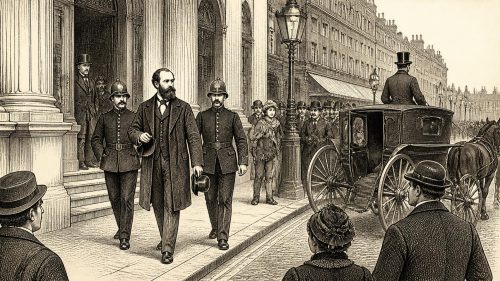
Kilmainham and the Three Fs

Kilmainham and the Three Fs

Archived: 10 October 2026

Abstract

In 1881, Ireland’s Land War intensified as Gladstone’s government combined coercive detention powers with the Land Law (Ireland) Act. The Act advanced the Land League’s three Fs—fair rent, fixity of tenure and free sale—through judicial rents, security and protected tenant interests, but left arrears and ownership unresolved. Michael Davitt and Charles Stewart Parnell were imprisoned, while the Irish National Land League was suppressed after its No Rent Manifesto. Anna Parnell’s Ladies’ Land League organised relief and resistance. Census returns recorded continuing population decline and rural predominance. The year permanently weakened landlord authority while linking land reform, political protest and self-government.


Read Article

Lough Mask’s New Word

Lough Mask’s New Word

Archived: 10 October 2026

Abstract

In 1880, agricultural failure, falling prices and rent arrears intensified Irish rural distress, prompting relief measures, emigration and debate over tenants’ responsibilities. The general election and Charles Stewart Parnell’s American fundraising strengthened nationalist organisation; his victory over William Shaw established parliamentary leadership. The Lords’ rejection of the limited Compensation for Disturbance Bill deepened distrust of Westminster. Parnell promoted ostracism of those taking evicted farms, exemplified by Captain Boycott’s isolation at Lough Mask, which created the word boycott. Agrarian violence and prosecutions revealed mounting conflict. Meanwhile, the Royal University of Ireland expanded degree access, including for women, linking crisis with change.

Read Article

