Archived: 14 October 2026
Abstract
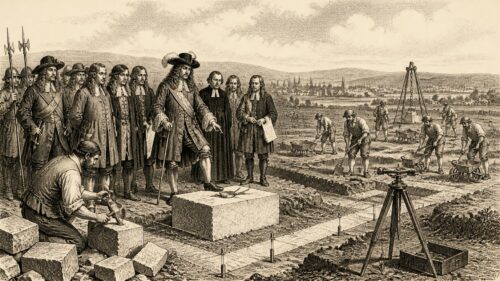
In 1680, Popish Plot fears shaped Irish government despite no rebellion. Ormond sought English approval for proposed legislation, including measures against Catholic clergy, but no parliament met. He laid the foundation stone of the Royal Hospital at Kilmainham, a home for retired soldiers. At Dundalk, the prosecution of Archbishop Oliver Plunkett collapsed when witnesses failed to appear; he was nevertheless sent to London, while Archbishop Peter Talbot died untried in Dublin prison. Gaelic learning endured through the copying of Leabhar Cloinne Aodha Buidhe in Antrim. Borlase’s history of 1641 reinforced Protestant fears, demonstrating how memory, coercion and institutions governed Ireland.
Read Article
Archived: 14 October 2026
Abstract
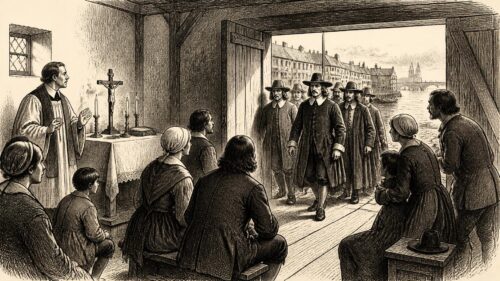
In 1679, amid the Popish Plot scare, Ormond's Irish administration intensified measures against Catholic worship, clergy and suspected disorder. Proclamations targeted bishops, Jesuits, masshouses and tories, linking religious nonconformity with threats to royal authority. Officers entering the Merchants' Quay masshouse met resistance, demonstrating both continuing Catholic worship and contested enforcement. A public Protestant fast nationalised fears of conspiracy. Catholic leaders, including Peter Talbot and Oliver Plunkett, faced confinement; Plunkett's December arrest made him the scare's principal Irish target. Authorities also guarded against Scottish unrest, pursued outlaws, regulated revenue and tobacco, and sponsored rebuilding projects, combining coercion, administration and Restoration display.
Read Article

Archived: 14 October 2026
Abstract
In 1678, the English Popish Plot panic transformed Irish government despite no rebellion or parliament. Lord Lieutenant Ormond pursued revenue collection, army support and land titles, but proposed legislation failed to resolve Restoration property disputes. Catholic structures remained active: Oliver Plunkett held a synod, while Nicholas French died in exile. Peter Talbot, archbishop of Dublin, returned conditionally in May but was arrested in October and imprisoned without evidence. Thereafter proclamations expelled clergy, suppressed religious institutions, disarmed Catholics, restricted access to garrisons and demanded enforcement by officials. These measures intensified sectarian insecurity, while trade, civic regulation and unresolved political tensions continued.
Read Article
Archived: 14 October 2026
Abstract
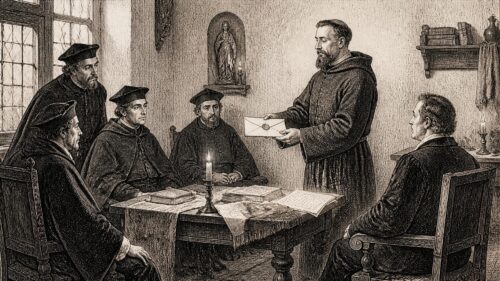
In 1668, Restoration Ireland was shaped by contested landownership, religious insecurity and English trade restrictions. Franciscan James Taaffe, claiming forged papal authority, convened clergy, appointed visitors and sought to discipline Catholic divisions over the Remonstrance. Rome repudiated him by October, while alarm over unauthorised papal jurisdiction hastened his collapse. Lord Lieutenant Ormond faced vulnerability and rivalry with the Earl of Orrery, who resigned the Munster presidency. Debt, estate rebuilding and inheritance reflected post-war recovery and unresolved confiscation. English cattle-import prohibitions constrained livestock producers, prompting commercial adaptation. Deaths of George Hamilton and Patrick D'Arcy highlighted property succession and the Catholic generation.
Read Article
Archived: 14 October 2026
Abstract
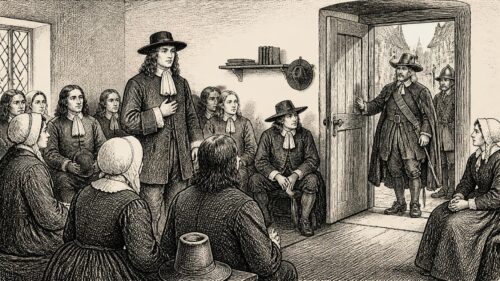
In 1667, Restoration Ireland experienced postwar settlement as courts and officials resolved contested land claims under the Acts of Settlement and Explanation. Ormond’s administration stressed legal procedure, military discipline and strained finances, while English restrictions on Irish cattle threatened trade and exposed Ireland’s dependence on Westminster. Dutch naval successes prompted defensive preparations at Kinsale before the Treaty of Breda ended the war. Protestant institutions strengthened, yet religious conformity was enforced: William Penn was arrested with Friends at a Cork meeting. Jeremy Taylor died, Jonathan Swift was born, and Alice Barry’s death marked elite change. The year revealed a fragile order.
Read Article
Archived: 14 October 2026
Abstract
In 1666, Ormond’s Restoration administration sought to consolidate authority in Ireland through land settlement, military discipline, taxation and regulation. Proclamations advanced implementation of the Acts of Settlement and Explanation, while the dissolution of parliament ended legislative sessions until 1689. A pay mutiny at Carrickfergus was suppressed, with nine leaders executed. Dublin’s Catholic synod debated Peter Walsh’s loyalist Remonstrance but failed to secure agreement, exposing clerical organisation and state dependence. War, naval concerns and London’s fire prompted official fasts and thanksgiving. Hearth money, fisheries policy and impending English cattle restrictions affected livelihoods. Sir James Ware’s death marked a loss to scholarship.
Read Article

Archived: 14 October 2026
Abstract
In 1664, Restoration Ireland was reshaped through administrative and cultural initiatives rather than decisive events. Dublin Corporation divided the marshy St Stephen’s Green common into ninety-six building plots, retaining a reduced central green to generate revenue. Land settlement negotiations continued without resolution, as Ormond and rival claimants sought to reconcile confiscated estates; legislation followed in 1665. Londonderry Corporation gained responsibility for its Foyle port, while Portmore Castle symbolised elite estate improvement in Antrim. Sir James Ware published Latin annals of Ireland, and Roger Boyle’s plays reached London. These developments strengthened corporate and proprietary control amid Protestant ascendancy and Catholic exclusion.
Read Article
Archived: 14 October 2026
Abstract
In 1663, Ireland’s Restoration settlement remained unstable amid competing land claims, religious divisions and memories of war. Ormond’s administration faced Thomas Blood’s failed Protestant radical conspiracy to seize Dublin Castle and abduct the lord lieutenant, exposing divisions within Protestant interests. The Court of Claims issued 829 decrees, including 714 innocence declarations, but lacked land to reconcile restored Catholic proprietors with Cromwellian soldiers and adventurers. Government reinforced authority through registration rules, proclamations and Church of Ireland office requirements, while Margetson became primate. Dublin’s cultural life expanded with Katherine Philips’s Pompey. Trade continued amid imperial uncertainty, while property insecurity constrained uneven recovery.
Read Article

Archived: 14 October 2026
Abstract
In 1662, the Irish Act of Settlement established a Restoration framework for resolving land disputes arising from rebellion, conquest and Cromwellian redistribution. It protected Protestant interests while offering limited restitution to Catholics deemed innocent, subject to reprisal and political tests. The lord lieutenant, Duke of Ormond, oversaw preparations for claims procedures, amid paperwork, proclamations and titles. Government reinforced Anglican conformity, regulated Catholic and dissenting assemblies, reorganised parishes, customs and trade, and improved postal links with Scotland. Dublin’s Theatre Royal at Smock Alley opened as a symbol of Restoration authority. The year converted conquest into an unequal landed and confessional order.
Read Article

Archived: 14 October 2026
Abstract
In 1661, Restoration Ireland began translating conquest and upheaval into law, yet landownership, religion and authority remained unsettled. Charles II’s Irish parliament met in Dublin, advancing legislation that anticipated, but did not enact, the 1662 Act of Settlement. Proclamations regulated rents, protected occupiers and required Catholic innocence claims, while Crown revenue and cattle exports received attention. James Butler, duke of Ormond, was appointed lord lieutenant but arrived only in 1662. The Church of Ireland was reconstituted as Catholics faced pressure and debated loyalism. Events included Book of Kells’ transfer and Florence Newton’s witchcraft trial. Procedures, not peace, defined the year.
Read Article




