Archived: 18 October 2026
Abstract
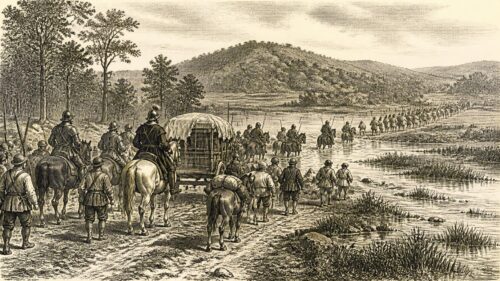
In 1539, Conn Bacach O’Neill and Manus O’Donnell allied, solemnising their pact at a Donegal friary, while Manus consolidated influence through tribute, hostages and agreements. Their raid through Meath reached Tara but ended in defeat when Lord Deputy Leonard Grey intercepted their returning force at Bellahoe. The battle demonstrated Dublin’s capacity to punish incursions, though northern lordships remained resilient. Meanwhile, Henrician commissioners advanced religious reform, suppressing houses, redistributing property and remodelling Holy Trinity, Christ Church, as a secular cathedral. Deaths, disputed successions and destructive June storms further exposed widespread persistent insecurity. Royal authority and reform remained uneven outside government-controlled districts.
Read Article
Archived: 18 October 2026
Abstract
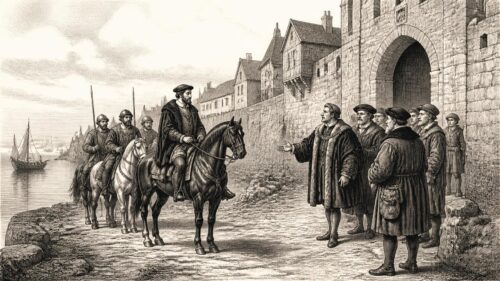
In 1538, Lord Leonard Grey extended Tudor influence through an armed western progress, securing submissions, attacking Claregalway Castle and visiting Galway, where civic hospitality reflected loyalty. Yet authority remained contingent: regional rulers used crown alliances for dynastic rivalries, while warfare continued in Connacht, Tyrone, Fermanagh and Wicklow. Grey’s support helped Ulick Burke dominate Clanricarde, and Thomond politics shifted around O’Brien competition. Religious reform advanced unevenly through Browne’s contested visitation and monastic suppressions, while Newry was remodelled rather than dissolved. Piers Butler regained Ormond’s earldom, and urban education and patronage persisted. Ireland remained politically fragmented, governed through force, negotiation and bargains.
Read Article
Archived: 18 October 2026
Abstract
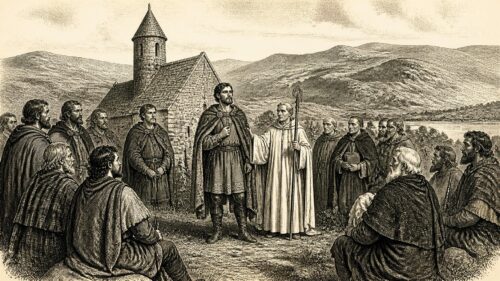
In 1537, Henry VIII’s government intensified its authority in Ireland, executing Silken Thomas FitzGerald and five uncles, investigating Lord Deputy Leonard Grey, and enacting Reformation statutes asserting royal supremacy, restricting Rome and enabling religious suppression. Their impact remained uneven beyond government-controlled districts. Grey’s expedition demolished Daingean castle in Offaly, yet O’Conor Faly recovered power. In Tír Chonaill, Aodh Dubh O’Donnell died and Manus O’Donnell was inaugurated at Kilmacrennan, though rivalry persisted; Manus subsequently campaigned in Lower Connacht. Conflict also disrupted Clandeboye and Fermanagh, where Cuconnacht Maguire was killed. Deaths, warfare and legislation reshaped lordships, but Gaelic structures proved resilient locally.
Read Article
Archived: 18 October 2026
Abstract
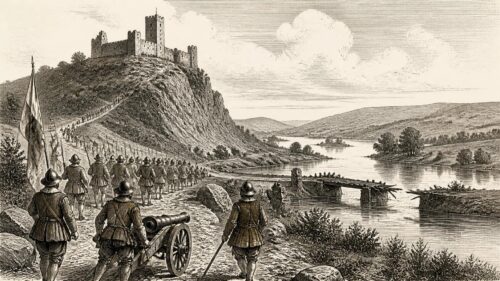
In 1536, Tudor authority in Ireland expanded after the Kildare revolt through Leonard Grey’s appointment as lord deputy, the Dublin parliament and military campaigning. Parliament asserted Henry VIII’s royal supremacy over the Irish church, attainted Kildare interests and initiated changes to religious property, though enforcement remained limited and monastic dissolution was incomplete. Grey captured Carrigogunnell Castle and destroyed its bridge, exploiting regional rivalries. Elsewhere, Connacht experienced succession disputes, raids, artillery warfare, sanctuary violations and the burning of Dromahair monastery. Plague, smallpox and illness compounded instability, while deaths of lords and poet Tomás Ó hUiginn marked cultural loss. Local lordship remained.
Read Article




